
STUDY ABROAD 2026
Why Study Abroad 2026 Is Unlike Any Other Year
If you’ve been paying attention, you already know something has shifted.
Study Abroad 2026 is not just about choosing a country anymore. It’s about strategy. It’s about technology. It’s about career outcomes. And more than ever, it’s about return on investment.
Students are no longer asking:
“Where can I study abroad?”
They’re asking:
- Which country gives me the best post-study work visa?
- Which degree will still be relevant in 2030?
- Can AI help me choose the right university?
- Are hybrid programs worth it?
- Which programs guarantee employability?
These evolving questions define the most important Study Abroad Trends shaping global education.
Governments are adjusting visa rules. Universities are integrating AI in Education. Employers are influencing curriculum design. And students — like you — are becoming smarter, more strategic decision-makers.
In this comprehensive guide, we’ll explore 9 powerful Study Abroad 2026 trends that will shape your academic journey and career trajectory.

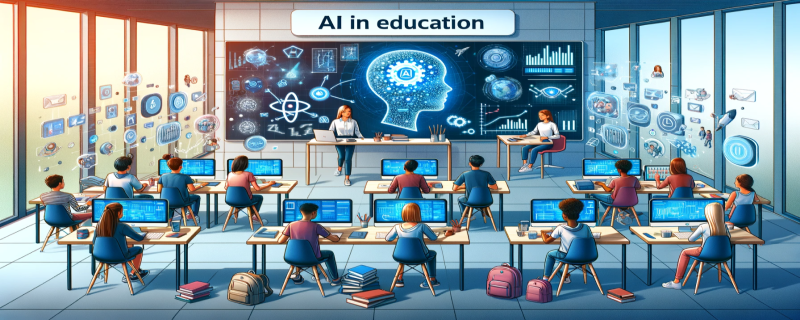
1. Study Abroad 2026 and the Rise of AI in Education
Artificial Intelligence is no longer a futuristic concept — it’s embedded into university systems worldwide.
How AI in Education Is Transforming Study Abroad 2026
Universities are now using AI to:
- Personalize learning experiences
- Predict student performance
- Automate admissions screening
- Recommend courses aligned with job markets
- Offer adaptive tutoring support
Institutions across the US, UK, Canada, and Australia are investing heavily in AI-driven learning platforms. According to UNESCO’s work on digital transformation in education (see AI in Education initiatives), AI integration is becoming a strategic global priority.
For students, this means:
- Smarter course recommendations
- Faster application processing
- More customized academic support
- Increased academic success rates
Study Abroad 2026 is no longer about static classrooms — it’s about intelligent learning environments.
2. Best Hybrid Study Abroad Programs in 2026
Hybrid education is one of the most disruptive Study Abroad Trends.
What Are the Best Hybrid Study Abroad Programs in 2026?
Hybrid programs combine:
- Online coursework (remote flexibility)
- Short on-campus residencies
- Virtual internships
- Cross-border collaborative projects
Why Hybrid Programs Are Exploding in 2026
Students want:
- Lower living costs
- Flexible relocation timelines
- Work-study balance
- Reduced visa stress
Here’s a comparison table:
| Feature | Traditional Study Abroad | Hybrid Study Abroad 2026 |
|---|---|---|
| Relocation | Immediate | Flexible / Partial |
| Living Cost | High | Reduced |
| Visa Dependence | Full | Partial |
| Flexibility | Low | High |
| Work Opportunities | Limited during study | Remote + Local |
Hybrid programs are particularly popular in:
- Data Science
- Business Analytics
- Cybersecurity
- Digital Marketing
- International Management
The Best Hybrid Study Abroad Programs in 2026 allow you to earn global credentials while reducing financial pressure.
3. AI Tools for Study Abroad Planning 2026
Planning used to involve agents, brochures, and guesswork.
Not anymore.
AI Tools for Study Planning 2026
AI-powered platforms now:
- Match students to universities based on profile fit
- Predict admission probability
- Estimate scholarship chances
- Compare visa approval rates
- Suggest high-ROI programs
The British Council’s international education research (see global education mobility reports) highlights how digital tools are influencing cross-border student mobility.
Students using AI Tools for Study Abroad Planning 2026 gain:
- Data-backed decision making
- Better scholarship alignment
- Faster application timelines
- Lower rejection rates
AI is becoming your personal admission strategist.
4. Career-Focused Courses Abroad: The New Priority in Study Abroad 2026
Prestige alone is no longer enough.
Students now prioritize:
- Industry-aligned programs
- Internship-integrated degrees
- Employer partnerships
- Skills-based certifications
Why Career-Focused Courses OVERSEAS EDUCATION PROGRAMS
Employers demand practical skills. Universities are responding.
High-demand fields include:
- Artificial Intelligence
- Renewable Energy
- Health Informatics
- FinTech
- Sustainable Engineering
- Robotics
- Supply Chain Analytics
The message is clear:
Study Abroad 2026 is about employability, not just education.
5. Top Career-Oriented Courses to OVERSEES in 2026
Let’s break this down strategically.
Top Career-Oriented Courses to in 2026
- AI & Machine Learning
- Data Analytics
- Cybersecurity
- Sustainable Energy Engineering
- Healthcare Administration
- Biotechnology
- Financial Technology
- Digital Transformation Management
- Climate Science
Why these?
Because global labor markets are shifting toward:
- Automation
- Sustainability
- Healthcare innovation
- Digital security
If you’re serious about ROI, these are the Top Career-Oriented Courses to Study Abroad in 2026.
6. Affordable Abroad Programs with Post-Study Work Visa 2026
Cost matters.
Visa policies matter even more.
Affordable Abroad Programs with Post-Study Work Visa 2026
Countries offering strong post-study options:
- Canada
- Australia
- Germany
- Ireland
- UK (Graduate Route)
- New Zealand
What makes a program “affordable”?
- Lower tuition fees
- Public university access
- Work rights during study
- Post-study employment pathways
Students now calculate:
Tuition + Living Cost + Work Rights + PR Potential = Smart Decision
This financial awareness defines modern Study Abroad Trends.
7. ROI-Driven Decision Making
Students in 2026 ask:
- What’s the employment rate?
- What’s the average starting salary?
- How long until I recover my investment?
Universities now publish:
- Graduate employability rates
- Industry placement stats
- Salary outcomes
This transparency empowers smarter decision-making.
8. Mental Health & Student Support
Another powerful shift:
Students prioritize:
- Campus mental health services
- Cultural integration programs
- Diversity and inclusion policies
- International student support offices
Why?
Because relocation stress is real.
The Study Abroad 2026 generation values wellbeing alongside ambition.
9. Sustainability and Global Citizenship
Climate awareness influences university choices.
Students look for:
- Green campuses
- Sustainability research
- ESG-focused programs
- Social impact initiatives
If you’re serious about Study Abroad 2026, then understanding the different types of AI tools available today can give you a serious competitive advantage. The era of guesswork is over. Students who leverage AI in Education and planning tools make smarter, faster, and more strategic decisions.
Below is a deep, structured, and practical breakdown of the major types of AI tools you can use in relation to Study Abroad 2026 — especially for hybrid programs, career-focused courses abroad, and post-study work planning.
Types of AI Tools You Can Use for Study Abroad 2026
1. AI University Matching Tools
What They Do
These tools analyze your:
- Academic history
- GPA
- Language scores
- Budget
- Preferred country
- Career goals
Then they recommend universities where you:
- Have high admission probability
- Meet scholarship criteria
- Align with program requirements
Why It Matters
With thousands of global universities available, choosing randomly wastes time and money.
AI matching tools:
- Reduce rejection risks
- Identify hidden opportunities
- Suggest affordable programs
- Align with Career-Focused Courses Abroad
Strategic Benefit
Instead of applying to 10 random schools, you apply to 5 high-fit institutions with better success odds.
2. AI Admission Probability Predictors
These are becoming increasingly popular.
What They Do
They use historical admission data to estimate:
- Acceptance chances
- Scholarship likelihood
- Program competitiveness
For example:
If a program typically admits students with GPA 3.5+, and you have 2.9, the tool may suggest alternatives.
Why It’s Important
In Study Abroad 2026, many universities use AI screening systems. Knowing your predicted acceptance rate helps you:
- Adjust expectations
- Improve application strategy
- Add backup options
It reduces emotional decision-making.
3. AI-Powered SOP & Essay Assistants
Your Statement of Purpose can make or break your application.
What These Tools Do
They help you:
- Structure your SOP
- Improve clarity
- Align career goals with course selection
- Detect grammar and tone issues
- Suggest stronger storytelling frameworks
Important Warning
Use AI as an assistant — not a replacement.
Since AI in Education is used for detecting plagiarism and automated content, submitting generic AI-written essays can:
- Trigger AI detection
- Damage credibility
- Lead to rejection
The smart approach:
Use AI for refinement, not fabrication.
4. AI Scholarship Matching Tools
Scholarship search used to be exhausting.
Now AI tools:
- Match your profile to eligible scholarships
- Filter by country
- Filter by academic level
- Highlight deadlines
- Estimate competitiveness
Why This Is Crucial
Many students miss funding opportunities simply because they don’t know they qualify.
For students targeting Affordable Study Abroad Programs with Post-Study Work Visa 2026, scholarships reduce financial pressure significantly.
5. AI Career Path Analysis Tools
These tools analyze:
- Your interests
- Academic strengths
- Personality traits
- Labor market demand
Then recommend:
- Suitable degree programs
- High-growth industries
- Salary projections
- Career progression maps
Why It Matters
One of the biggest Study Abroad Trends is ROI-based decisions.
Students now choose Top Career-Oriented Courses to Study Abroad in 2026 based on:
- Employment demand
- Salary potential
- Immigration prospects
AI career tools help you align education with real-world outcomes.
6. AI Resume & LinkedIn Optimization Tools
Study abroad success doesn’t end at graduation.
AI resume tools help:
- Optimize CV keywords
- Improve ATS compatibility
- Highlight transferable skills
- Format for international standards
LinkedIn AI tools help:
- Improve profile visibility
- Suggest industry keywords
- Recommend networking strategies
For Career-Focused Courses Abroad, employability preparation should start during your studies — not after graduation.
7. AI Visa Guidance Assistants
Visa policies are complex.
AI visa tools:
- Explain documentation requirements
- Estimate visa success probability
- Highlight missing documents
- Provide country-specific updates
Some advanced tools simulate interview questions to help you prepare for:
- Credibility interviews
- Financial questioning
- Genuine student assessment
For Study Abroad 2026, visa rejection due to poor preparation is preventable with smart tools.
8. AI Financial Planning & Cost Estimation Tools
Budget miscalculation is a common mistake.
AI financial tools calculate:
- Total tuition over duration
- Living expenses by city
- Currency fluctuation impact
- Part-time work income projections
- ROI timeline
They help answer:
“How long will it take to recover my investment?”
For students targeting affordable destinations, these tools offer clarity and confidence.
9. AI Language Learning Assistants
If your destination requires:
- IELTS preparation
- TOEFL improvement
- German/French language skills
AI-powered language tools offer:
- Adaptive learning paths
- Real-time speaking feedback
- Vocabulary improvement
- Mock test simulations
Language readiness increases:
- Admission chances
- Visa approval success
- Classroom confidence
10. AI Course Comparison Engines
These tools compare:
- Curriculum structure
- Internship opportunities
- Graduate employment rate
- Industry partnerships
- Tuition cost vs outcome
Instead of browsing 20 university websites manually, AI tools summarize critical differences.
For Best Hybrid Study Abroad Programs in 2026, these tools help compare:
- On-campus duration
- Online components
- Internship access
- Accreditation
11. AI Internship & Job Market Insight Tools
Career-focused planning is critical.
AI job market tools analyze:
- Labor demand
- Skill shortages
- Salary averages
- Visa sponsorship trends
This helps you select programs aligned with high-demand industries.
For example:
If AI engineering shows 30% projected growth, that data supports choosing that path.
Study Abroad 2026 is increasingly about employability metrics.
12. AI Time Management & Productivity Tools
International education is intense.
AI productivity tools help:
- Schedule study blocks
- Track assignments
- Optimize focus time
- Manage deadlines
- Balance part-time work
For hybrid learners especially, discipline is critical.
These tools support academic performance.
13. AI Interview Simulation Tools
Many competitive programs now conduct interviews.
AI interview prep tools:
- Simulate university questions
- Provide feedback on tone and clarity
- Analyze confidence
- Suggest stronger responses
This is particularly useful for:
- Scholarship interviews
- MBA programs
- Career-focused master’s programs
14. AI Mental Wellness & Adjustment Tools
Relocation stress is real.
AI wellness platforms provide:
- Mood tracking
- Stress management exercises
- Adaptation advice
- Cultural transition guidance
Mental preparedness is part of Study Abroad 2026 success.
15. AI Networking Recommendation Tools
Networking determines career outcomes abroad.
AI networking tools:
- Suggest alumni connections
- Recommend industry events
- Identify mentorship opportunities
- Match students with professionals
For Career-Focused Courses Abroad, networking often leads to internships and job placements.
Why AI Tools Are Becoming Essential in HYBRID LEARNING 2026
The global education system is becoming:
- Data-driven
- Digitally integrated
- Outcome-oriented
- AI-optimized
Students who ignore technology risk:
- Poor program selection
- Weak application strategy
- Financial miscalculations
- Visa complications
- Career misalignment
AI tools don’t replace human judgment.
They enhance it.
Smart Strategy: How to Use AI Without Overdependence
Here’s the balanced approach:
- Use AI for research.
- Use AI for structure.
- Use AI for comparison.
- Use AI for data analysis.
- Make final decisions yourself.
Human vision + AI precision = powerful combination.
Study Abroad 2026 is no longer just an educational journey.
It is a strategic, data-backed career investment.
And the students who win are not the ones who guess.
They are the ones who use intelligent tools wisely.
Global citizenship is no longer optional — it’s expected.If we’re talking about Study Abroad 2026: AI in Education & Career-Focused Courses, then the requirements go beyond just “having good grades.”
In 2026, study abroad is more competitive, more digital, and more ROI-driven. Below is a deep, structured breakdown of the real requirements students need to prepare for — academically, financially, strategically, and technologically.
Requirements: What You Truly Need to Qualify & Succeed
1. Academic Requirements
Academic qualifications remain the foundation.
A. Educational Certificates
Depending on your level:
- Undergraduate Programs
- High school certificate (WAEC, NECO, A-Levels, IB, etc.)
- Official transcripts
- Strong GPA (often 2.5–3.5 minimum depending on country)
- Postgraduate Programs
- Bachelor’s degree certificate
- Official university transcripts
- Minimum GPA requirement (varies by university)
- Some programs require relevant background degree
B. Course-Specific Prerequisites
For Top Career-Oriented Courses to Study Abroad in 2026, extra subject requirements may apply:
- AI / Data Science → Math, Statistics, Programming
- Engineering → Physics, Advanced Mathematics
- Healthcare → Biology, Chemistry
- Business Analytics → Quantitative subjects
Career-Focused Courses Abroad are becoming more selective because universities want students who can handle rigorous, skill-based programs.
2. Language Proficiency Requirements (English & Others)
Most Study Abroad 2026 destinations require proof of language proficiency.
English-Speaking Countries:
- IELTS (6.0 – 7.5 depending on course)
- TOEFL
- PTE Academic
- Duolingo English Test (accepted widely now)
Non-English Countries:
- Germany → May require German (for public universities)
- France → French (for French-taught programs)
- Italy / Spain → Local language for some programs
Even hybrid programs may still require language proof for visa approval.
3. Standardized Test Requirements (If Applicable)
Although some countries are relaxing test rules, competitive programs still require:
- GRE (Engineering, Data Science, STEM fields)
- GMAT (Business programs)
- SAT/ACT (Some undergraduate programs)
- MCAT (Medical pathways)
However, one major Study Abroad Trend in 2026 is test-optional policies — especially for hybrid programs.
4. AI-Driven Application Systems (New Requirement in Study Abroad 2026)
This is where things change.
With the rise of AI in Education, many universities now use AI-based screening systems.
What This Means for You:
- Your SOP (Statement of Purpose) must be original
- Avoid AI-detectable plagiarism
- Application answers must be consistent
- Academic history must match career goals
AI tools evaluate:
- Keyword alignment with program
- Academic progression
- Career intent clarity
- Authenticity signals
In 2026, your application must be strategically written.
5. Financial Requirements for Study Abroad 2026
Finances are one of the most critical requirements.
A. Tuition Fees
Varies widely:
- Germany (Public Universities) → Low or no tuition
- Canada → Moderate to high
- UK → Higher range
- Australia → High but strong work rights
B. Proof of Funds
Visa authorities require:
- Bank statements (3–6 months)
- Sponsor letters (if applicable)
- Affidavit of financial support
- Scholarship letters (if awarded)
C. Estimated Cost Breakdown
Students applying for Affordable Study Abroad Programs with Post-Study Work Visa 2026 must budget for:
- Tuition
- Living expenses
- Health insurance
- Visa application fee
- Flight tickets
- Accommodation deposit
Financial planning is now part of strategic study abroad decision-making.
6. Visa Requirements for Study Abroad 2026
Visa approval depends on:
- Admission letter
- Financial proof
- Language test score
- Medical test
- Police clearance certificate
- Genuine Student Statement (GTE or equivalent)
Countries offering post-study work visas (Canada, UK, Australia, Germany) often require:
- Full-time enrollment
- Recognized institution
- Compliance with attendance
Post-study work eligibility is one of the biggest factors in modern Study Abroad Trends.
7. Requirements for Career-Focused Courses Abroad
Career-focused programs have additional requirements:
A. Portfolio (For Tech & Design Fields)
- Coding portfolio (GitHub)
- Design projects
- Research papers
- Internships evidence
B. Work Experience (For MBA & Advanced Programs)
- 1–3 years minimum (varies)
- Recommendation letters from employers
C. Industry Certifications (Optional but Powerful)
- AWS, Google Cloud (Tech)
- CFA (Finance)
- PMP (Project Management)
- Scrum Certification (IT)
Universities favor students who show real-world skill readiness.
8. Requirements for Best Hybrid Study Abroad Programs in 2026
Hybrid programs require:
- Stable internet access
- Laptop with minimum technical specs
- Time-zone flexibility
- Self-discipline for remote modules
Some hybrid programs require:
- Short on-campus residency visa
- Digital onboarding sessions
- Virtual orientation participation
Hybrid learning may reduce relocation costs, but preparation remains essential.
9. Requirements for Using AI Tools for Study Abroad Planning 2026
Students who leverage AI Tools for Study Abroad Planning 2026 must prepare:
- Academic records digitized
- Career goals clearly defined
- Budget range
- Preferred destinations
- English test score estimates
AI tools work best when fed accurate information.
Garbage input = poor recommendation output.
10. Scholarship Requirements for Study Abroad 2026
Many students overlook scholarship eligibility.
Common scholarship requirements include:
- High GPA
- Leadership experience
- Volunteer record
- Community impact
- Personal statement essay
- Recommendation letters
Fully funded programs may require interviews.
11. Medical & Health Insurance Requirements
Most countries require:
- International student health insurance
- Vaccination records
- Medical examination report
- TB screening (for some countries)
This is mandatory for visa approval.
12. Soft Skill Requirements (Often Overlooked)
Beyond paperwork, Study Abroad 2026 demands:
- Adaptability
- Cultural awareness
- Communication skills
- Financial literacy
- Emotional resilience
Career-Focused Courses Abroad emphasize:
- Teamwork
- Project collaboration
- Presentation skills
- Leadership development
Universities increasingly evaluate these in interviews.

Summary Table: Core Requirements for Study Abroad 2026
| Requirement Category | What You Need |
|---|---|
| Academic | Certificates, transcripts, GPA |
| Language | IELTS / TOEFL / equivalent |
| Financial | Proof of funds, tuition coverage |
| Visa | Admission letter, documents, health test |
| Career-Focused Programs | Portfolio, certifications, work experience |
| Hybrid Programs | Tech setup, digital readiness |
| Scholarships | Leadership, strong essays |
| Health | Insurance, medical clearance |
| AI-Based Applications | Authentic SOP, consistency |
The Real Requirement Is Strategic Preparation
In 2026, the biggest requirement is not just documentation.
It’s clarity.
Students who succeed in Study Abroad 2026:
- Plan 12–18 months ahead
- Align career goals with course selection
- Research post-study work policies
- Leverage AI tools wisely
- Prepare strong documentation early
Study abroad is no longer about “going overseas.”
It is about building a global career strategy.
Costly Mistakes to Avoid Before It Ruins Your Plans
Planning for Study Abroad 2026 can feel exciting. New country. New opportunities. A global degree. A powerful future.
But here’s the truth most education consultants won’t tell you:
Many students don’t fail because they aren’t smart.
They fail because they make avoidable strategic mistakes.
The landscape of Study Abroad Trends has changed. With the rise of AI in Education, hybrid programs, and ROI-driven decision-making, the margin for error is smaller than ever.
Let’s walk through the most common — and dangerous — mistakes students make in Study Abroad 2026.
Avoid these, and you dramatically increase your chances of success.
1. Choosing a Country Instead of Choosing a Career Strategy
This is the number one mistake.
Students often say:
- “I want Canada.”
- “I prefer the UK.”
- “Australia is my dream.”
But they rarely ask:
- Does this country align with my career goals?
- Is there demand for my profession there?
- What are the post-study work policies?
- Is permanent residency realistic?
In Study Abroad 2026, destination must follow career strategy — not emotions.
If your goal is AI research, Germany or the US may offer stronger research ecosystems.
If your goal is migration and PR, Canada may be strategic.
If your goal is affordable tuition, Germany or certain European countries may win.
Mistake: Choosing based on popularity.
Better move: Choose based on long-term professional outcome.
2. Ignoring Post-Study Work Visa Policies
Another major error.
Students enroll in programs without checking:
- Is the program eligible for post-study work?
- What is the duration of the work visa?
- Are there job restrictions?
- Does the course qualify for immigration pathways?
For example:
Some programs may not qualify for extended work rights.
Some countries require specific credit hours.
Some private institutions may not offer PSW eligibility.
When exploring Affordable Study Abroad Programs with Post-Study Work Visa 2026, always verify:
- Government website policies
- Institution accreditation
- Visa compliance requirements
Never assume.
3. Applying Without Understanding AI in Education Screening
With the rise of AI in Education, many universities now use automated systems to evaluate applications.
Common mistakes include:
- Copy-pasting SOP templates
- Submitting AI-generated essays without personalization
- Using generic career goals
- Inconsistent academic storytelling
AI systems analyze:
- Language consistency
- Authenticity
- Relevance to program
- Logical academic progression
If your statement says you studied biology but now want Data Science with no explanation — red flag.
Study Abroad 2026 requires strategic storytelling.
Your academic journey must make sense.
4. Choosing a Course Without Researching Job Market Demand
This is one of the biggest financial mistakes.
Students often choose:
- “Easy” courses
- Popular degrees
- Courses friends are taking
But ignore:
- Industry demand
- Salary projections
- Employment statistics
- Skill shortage lists
Instead, focus on Top Career-Oriented Courses to Study Abroad in 2026, such as:
- Artificial Intelligence
- Cybersecurity
- Renewable Energy Engineering
- Healthcare Management
- Supply Chain Analytics
Career-Focused Courses Abroad exist for a reason:
Employers want job-ready graduates.
5. Ignoring Hybrid Learning Opportunities
Many students still assume they must relocate immediately.
But the Best Hybrid Study Abroad Programs in 2026 allow:
- Partial online learning
- Reduced living costs
- Gradual relocation
- Flexible scheduling
Mistake:
Not exploring hybrid options, especially if finances are tight.
Hybrid models are becoming a major Study Abroad Trend, especially for master’s programs in tech and business.
6. Underestimating Financial Planning
Study abroad is expensive. But poor financial planning is worse.
Common financial mistakes:
- Not budgeting for living expenses
- Ignoring currency exchange fluctuations
- Overestimating part-time job income
- Not planning emergency funds
- Forgetting health insurance costs
Students often focus only on tuition.
But real costs include:
- Rent
- Food
- Transport
- Internet
- Visa fees
- Flight tickets
- Accommodation deposit
In Study Abroad 2026, financial awareness equals survival.
7. Applying Too Late
Deadlines matter more than ever.
Universities now have:
- Rolling admissions
- Early decision advantages
- Scholarship deadlines months before final intake
Applying late reduces:
- Scholarship chances
- Visa processing buffer time
- Accommodation options
For 2026 intake, serious students begin preparation 12–18 months early.
8. Ignoring Scholarship Opportunities
Many students assume:
“I won’t qualify.”
This mindset alone disqualifies them.
Scholarships often consider:
- Leadership
- Community impact
- Academic performance
- Financial need
- Volunteer work
Even partial scholarships significantly reduce financial burden.
Not applying is a costly mistake.
9. Over-Reliance on Education Agents Without Personal Research
Agents can help. But blind trust is risky.
Mistakes include:
- Applying to limited partner universities only
- Not verifying institution rankings
- Not checking accreditation
- Accepting course recommendations without career alignment
In Study Abroad 2026, students must:
- Cross-check information
- Read official university websites
- Review visa rules directly
Your future deserves personal involvement.
10. Ignoring Soft Skills Development
Academic success alone is not enough.
Employers hiring international graduates look for:
- Communication skills
- Cultural adaptability
- Problem-solving ability
- Leadership experience
- Team collaboration
Many students graduate with strong GPAs but weak employability skills.
Study abroad is not just academic growth — it’s professional transformation.
11. Failing to Understand Immigration Rules
Immigration policies change frequently.
Mistakes include:
- Assuming policies won’t change
- Not checking work hour limits
- Violating student visa conditions
- Working beyond legal limits
- Ignoring tax obligations
One violation can affect:
- Visa renewal
- Post-study work eligibility
- Future PR application
Always stay informed.
12. Choosing Prestige Over Practicality
Prestigious universities are attractive.
But ask:
- Can you afford it?
- Does it offer industry partnerships?
- Are there internship pathways?
- Is it aligned with your career?
Sometimes a mid-ranked university with strong industry ties may provide better ROI.
In Study Abroad 2026, practicality beats prestige.
13. Ignoring Mental Health Preparation
Relocating abroad brings:
- Cultural shock
- Loneliness
- Academic pressure
- Financial stress
Students who underestimate emotional resilience struggle silently.
Prepare mentally by:
- Researching support services
- Connecting with student communities
- Learning cultural norms
- Building coping strategies
Study abroad success includes emotional intelligence.
14. Not Using AI Tools for Study Abroad Planning 2026
AI tools now help students:
- Compare universities
- Estimate admission probability
- Analyze cost projections
- Identify scholarship matches
Students who ignore technology often rely on outdated advice.
Smart students leverage AI Tools for Study Abroad Planning 2026 to make data-driven decisions.
15. Treating Study Abroad as an Escape Instead of an Investment
This is the deepest mistake.
Some students view study abroad as:
- A way to leave their home country
- A social adventure
- An escape from local challenges
But Study Abroad 2026 is a financial and career investment.
If your mindset is not strategic, you risk:
- Unemployment after graduation
- Visa challenges
- Debt burden
- Career confusion
Treat it as a business decision.
Because it is.
The Difference Between Regret and Success
The students who succeed in Study Abroad 2026 are not necessarily the smartest.
They are:
- Strategic
- Informed
- Prepared
- Financially disciplined
- Career-oriented
- Technologically aware
They understand:
- Study Abroad Trends
- AI in Education systems
- Hybrid learning opportunities
- Career-Focused Courses Abroad
- Post-study work visa pathways
Avoid these 15 mistakes, and you dramatically increase your probability of success.
Study abroad is not about luck.
It is about preparation meeting opportunity.
And now, you’re equipped to prepare smarter than most.
UNESCO – AI in Education (Global Digital Education Policy)
Anchor Text Suggestion: AI in Education global initiatives
Link: https://www.unesco.org/en/digital-education
OECD – Education & Skills Outlook (Global Employability & Skills Data)
Anchor Text Suggestion: global education and skills outlook
Link: https://www.oecd.org/education/
Final Thoughts: How Study Abroad 2026 Will Transform Your Future
If you take one thing away from this guide, let it be this:
Study Abroad 2026 is strategic, intelligent, and career-focused.
The era of random applications is over.
Today’s successful international student:
- Uses AI Tools for Study Abroad Planning 2026
- Chooses Career-Focused Courses Abroad
- Selects Affordable Study Abroad Programs with Post-Study Work Visa 2026
- Evaluates ROI carefully
- Embraces hybrid flexibility
- Plans long-term career alignment
The future belongs to prepared students.
And now — you’re one of them.
Shortcut👇.








hdcvyt
Odesa. The last city on our list that you’ll love having a stroll at is Odesa. C ratio having remained the identical over the previous few thousand years. Who is aware of – you might discover love right now, guide a visit tomorrow, and start a romance to last via the years. As you can see, a digital love search has many benefits, so it’s possible you’ll try to discover a Czech mail order bride on-line. During their unlawful exchanges, she referred to him as her ‘secret love informant’ and her ‘secret agent.’ His worldwide lover confirmed a eager interest in how the struggle was progressing and what any future plans is perhaps, based on courtroom paperwork. Nicole. Even so, the couple felt it may be helpful for Porter himself to have more information. These curves are described in more detail beneath. Labour, the SNP and the Lib Dems all opposed the invoice at second reading, and MPs from all parties – with the exception of the DUP – at the moment are trying to amend it at committee stage.
Parents watch their youngsters pass to a brand new stage of life, and graduates feel happy in their accomplishments. During its life, a plant or animal is in equilibrium with its surroundings by exchanging carbon both with the ambiance or through its weight loss program. C within the environment, which reached a most in about 1965 of virtually double the quantity present in the environment prior to nuclear testing. C ratios in plants that differ from the ratios in the ambiance. C ratio of the water it enters, which can lead to obvious ages of 1000’s of years for each the affected water and the plants and freshwater organisms that stay in it. C ratios: for instance, plants within the neighbourhood of the Furnas caldera in the Azores had been discovered to have obvious ages that ranged from 250 years to 3320 years. Within 11 years of their announcement, greater than 20 radiocarbon relationship laboratories had been arrange worldwide.
This is because the greater surface space of ocean in the southern hemisphere means that there is extra carbon exchanged between the ocean and the atmosphere than within the north. C is removed from the southern atmosphere extra rapidly than within the north. She attended North High school there. The northern and southern hemispheres have atmospheric circulation methods which might be sufficiently unbiased of one another that there’s a noticeable time lag in mixing between the 2. The deepest elements of the ocean mix very slowly with the floor waters, and the mixing is uneven. Typical values of δ13C have been discovered by experiment for many plants, as well as for various components of animals corresponding to bone collagen, however when courting a given pattern it is best to find out the δ13C worth for that sample directly than to depend on the published values. Correcting for isotopic fractionation, as is done for all radiocarbon dates to allow comparison between outcomes from different components of the [url=https://www.facebook.com/charmdate/]charmdate[/url] biosphere, provides an apparent age of about 400 years for ocean surface water. The outcomes were summarized in a paper in Science in 1947, in which the authors commented that their outcomes implied it can be potential thus far supplies containing carbon of natural origin.
Unburnt bone may be tested; it’s regular to this point it using collagen, the protein fraction that remains after washing away the bone’s structural material. Any addition of carbon to a sample of a special age will cause the measured date to be inaccurate. C as well as non-radioactive carbon. In nature, carbon exists as three isotopes. In 1939, Martin Kamen and Samuel Ruben of the Radiation Laboratory at Berkeley began experiments to determine if any of the elements widespread in organic matter had isotopes with half-lives lengthy sufficient to be of value in biomedical analysis. In 1945, Libby moved to the University of Chicago, the place he began his work on radiocarbon relationship. Coal and oil started to be burned in giant quantities during the 19th century. An animal that eats meals with excessive δ13C values could have a higher δ13C than one that eats meals with decrease δ13C values.
h4yxsn