For many young people, studying abroad is more than just earning a degree. It represents freedom, opportunity, global exposure, and the dream of building a better future. Every year, millions of students leave their home countries hoping to secure quality education, international work experience, and access to life-changing opportunities.
But here is the reality many students discover too late: studying abroad is exciting, but it can also become stressful, financially draining, and emotionally overwhelming when proper preparation is missing.
In recent years, immigration rules have become stricter, tuition costs have increased, housing shortages have worsened in major student destinations, and student visa rejection rates have climbed in several countries. These changes mean that international students in 2026 must prepare smarter than ever before.
Many students make avoidable decisions that later lead to:
- Visa denial
- Financial hardship
- Academic struggles
- Mental health pressure
- Accommodation scams
- Culture shock
- Poor career outcomes
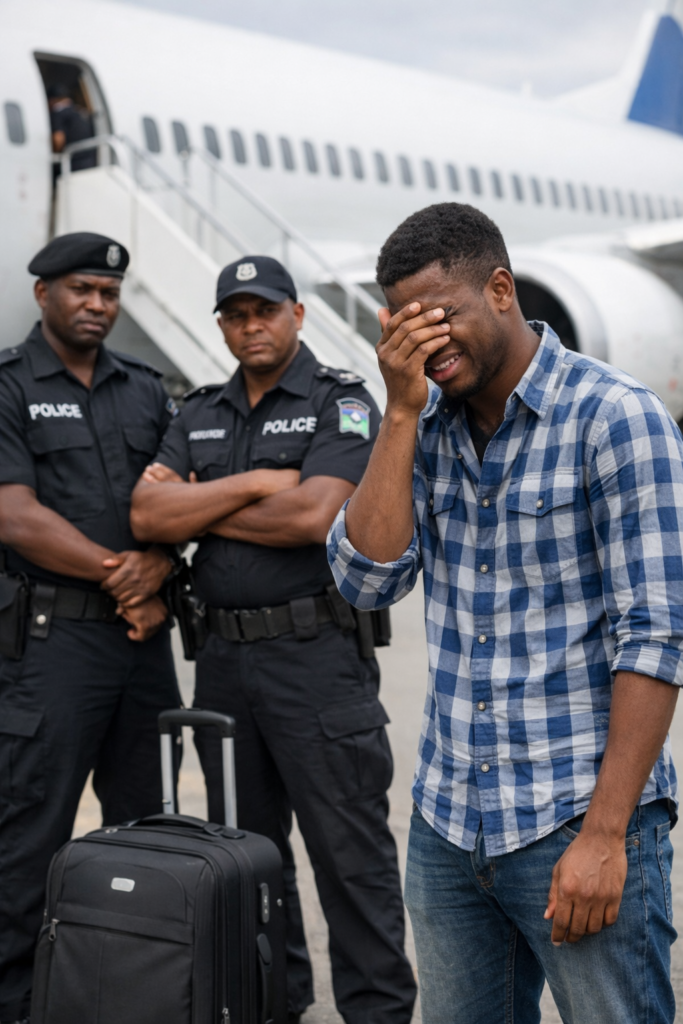
- Deportation risks
The good news is that most of these problems can be prevented with the right knowledge and planning.
This detailed Study Abroad Guide will walk you through the biggest Study Abroad Mistakes students make and the smartest ways to avoid them before relocating in 2026.

Why Study Abroad Mistakes Are Increasing Among International Students 2026
The world of international education has changed dramatically. Countries that once welcomed students easily are now tightening immigration processes, increasing financial proof requirements, and scrutinizing applications more closely.
Several factors are contributing to these challenges:
- Rising global inflation
- Housing shortages
- Tougher visa policies
- Fake admission agents
- High tuition costs
- Job market competition
- Increased scam activities online
According to official information from the U.S. Department of State and the UK Government Student Visa Portal, students are now expected to provide stronger financial evidence, genuine study intentions, and accurate documentation.
This means preparation is no longer optional. It is essential.
Table: Common Study Abroad Mistakes and Their Consequences
| Study Abroad Mistake | Possible Consequence | Smart Solution |
|---|---|---|
| Choosing a country blindly | Financial stress or poor opportunities | Research job market and living costs |
| Submitting incomplete visa documents | Student visa rejection | Double-check every document |
| Ignoring accommodation research | Rental scams or homelessness | Secure verified housing early |
| Depending entirely on part-time jobs | Financial instability | Have emergency savings |
| Choosing the wrong course | Career dissatisfaction | Match studies with long-term goals |
| Ignoring health insurance | Expensive medical bills | Buy comprehensive insurance |
| Poor budgeting habits | Debt accumulation | Create a monthly spending plan |
| Using fake admission agents | Visa bans or fraud | Use verified institutions |
| Lack of cultural preparation | Isolation and depression | Learn local customs before arrival |
| Weak communication skills | Academic difficulties | Improve English proficiency |
Choosing a Country Based Only on Popularity
One of the most common and costly mistakes international students should avoid before studying abroad is selecting a country simply because it is trending online.
Many students follow social media hype instead of asking practical questions like:
- Can I afford the living costs?
- Are international students allowed to work?
- Is the degree respected globally?
- What are post-study work opportunities like?
- Is the immigration policy stable?
A country may look attractive on TikTok or YouTube while hiding serious realities such as expensive rent, poor student support systems, or limited job opportunities.
Smart Tip for International Students 2026
Before choosing a destination:
Research These Factors Carefully
- Tuition fees
- Cost of living
- Currency strength
- Safety levels
- Weather conditions
- Graduate employment rates
- Student visa success rates
- PR opportunities
- Healthcare system
Countries like Canada, Australia, Germany, the UK, and Ireland remain popular, but each comes with different advantages and challenges.
Do not follow trends blindly. Follow opportunities that align with your goals.
Ignoring Common Reasons for Student Visa Rejection in 2026
Student visa rejection has become one of the biggest fears for international students.
Unfortunately, many rejections happen because students underestimate how strict visa officers have become.
Common Reasons for Student Visa Rejection in 2026
1. Incomplete Documentation
Missing bank statements, academic records, or sponsorship documents can ruin your application immediately.
2. Weak Financial Proof
Embassies want evidence that students can genuinely support themselves abroad.
3. Inconsistent Information
Differences between your admission letter, SOP, and visa interview responses can trigger suspicion.
4. Poor Statement of Purpose (SOP)
A weak SOP that lacks clear academic goals often raises red flags.
5. Suspicious Bank Transactions
Sudden large deposits before application submission may appear fraudulent.
6. Low English Proficiency
Poor communication skills during interviews can affect approval chances.
Smart Tip: How to Reduce Student Visa Rejection Risks
Prepare Documents Early
Create a checklist for:
- Passport
- Admission letter
- Bank statements
- Academic transcripts
- Medical reports
- Language test results
- Sponsorship documents
Practice Your Visa Interview
Be confident, honest, and clear about:
- Why you chose the course
- Why you selected the country
- Your future career plans
- Your financial situation
Avoid Fake Agents
Many students become victims of fraudulent consultants promising “guaranteed visas.”
No legitimate visa is guaranteed.
Underestimating Living Costs Abroad
This is one of the fastest ways international students fall into financial stress.
Students often calculate only tuition fees while ignoring:
- Rent
- Transportation
- Food
- Health insurance
- Winter clothing
- Internet bills
- Taxes
- Emergency expenses
Then reality hits hard after arrival.
How to Avoid Financial Problems While Studying Abroad in 2026
Create a Realistic Budget
Break expenses into categories:
Essential Expenses
- Tuition
- Accommodation
- Utilities
- Groceries
- Transportation
Secondary Expenses
- Entertainment
- Shopping
- Travel
- Dining out
Monthly Budget Example for International Students
| Expense Category | Estimated Monthly Cost |
|---|---|
| Rent | $500 – $1,500 |
| Food | $200 – $500 |
| Transport | $50 – $200 |
| Internet/Phone | $40 – $100 |
| Miscellaneous | $100 – $300 |
Build Emergency Savings
One of the best study abroad preparation tips for international students 2027 is having emergency funds.
Experts recommend saving at least:
- 3–6 months of living expenses
Unexpected situations happen:
- Job loss
- Medical emergencies
- Currency fluctuations
- Housing crises
Emergency savings provide stability during difficult periods.
Depending Entirely on Part-Time Jobs
Many students believe they can fully finance their studies with part-time work abroad.
This assumption can become dangerous.
Reality is often different:
- Job availability fluctuates
- Work hours may be limited legally
- Competition is high
- Academic workload can be overwhelming
Smart Tip
Treat part-time jobs as supplementary income, not your primary survival plan.
Before traveling:
- Secure adequate savings
- Understand work restrictions
- Research average student wages
- Learn tax regulations
Choosing the Wrong Course
Another major mistake international students make is selecting courses based solely on immigration trends or pressure from family members.
This often leads to:
- Academic burnout
- Career dissatisfaction
- Wasted tuition fees
- Difficulty finding jobs later
Smart Study Abroad Guide for Choosing the Right Course
Ask Yourself Important Questions
- What career do I genuinely enjoy?
- Does this field have long-term opportunities?
- Is the course internationally recognized?
- What are the future salary prospects?
Research Industry Trends
Fields growing strongly in 2026 include:
- Artificial Intelligence
- Cybersecurity
- Healthcare
- Renewable Energy
- Data Analytics
- Software Engineering
- Digital Marketing
Choose a course that balances passion with employability.
Falling for Accommodation Scams
Housing scams are increasing globally.
International students are frequent targets because they are desperate to secure accommodation before arrival.
Common Scam Signs
- Requests for upfront payment without viewing
- Extremely cheap rent
- No official lease agreement
- Fake property photos
- Pressure tactics
Smart Housing Tips for International Students 2026
Use Verified Platforms
Only use:
- University housing portals
- Trusted real estate platforms
- Student accommodation providers
Never Send Money Hastily
Verify:
- Property ownership
- Lease documents
- Video walkthroughs
If something feels suspicious, walk away.
Ignoring Mental Health and Culture Shock
Many students prepare academically but ignore emotional preparation.
Living abroad can feel lonely initially.
Culture shock is real.
Students may experience:
- Homesickness
- Anxiety
- Isolation
- Academic pressure
- Language frustration
Smart Emotional Preparation Tips
Build a Support Network Early
Connect with:
- Student communities
- Cultural associations
- International student groups
Stay Connected With Family
Regular communication helps emotional stability.
Seek Help When Needed
Most universities provide:
- Counseling services
- Mental health support
- Academic advisors
Seeking help is smart, not weak.
Poor Time Management
Balancing academics, work, and personal life abroad can become overwhelming quickly.
Poor time management leads to:
- Failed courses
- Stress
- Burnout
- Sleep deprivation
Best Time Management Tips for International Students 2026
Use Scheduling Tools
Apps like:
- Google Calendar
- Notion
- Trello
can improve productivity significantly.
Prioritize Academics
Remember:
Your primary purpose abroad is education.
Part-time jobs should never destroy academic performance.
Ignoring Healthcare Systems
Healthcare abroad can be extremely expensive.
Some students assume medical treatment will be affordable until emergencies happen.
In countries like the United States, one hospital visit can cost thousands of dollars.
Smart Healthcare Preparation Tips
Buy Comprehensive Health Insurance
Ensure coverage includes:
- Emergency care
- Prescriptions
- Hospitalization
- Mental health services
Understand Local Healthcare Rules
Research:
- How hospitals work
- Insurance claim procedures
- Emergency contact systems
Not Understanding Immigration Rules
Some students unintentionally violate visa conditions.
This can result in:
- Deportation
- Visa cancellation
- Future immigration bans
Important Immigration Rules International Students Must Know
Know Your Work Limits
Many countries limit:
- Weekly work hours
- Off-campus employment
Track Visa Expiry Dates
Never ignore renewal deadlines.
Maintain Academic Attendance
Poor attendance can affect visa status.
Always remain compliant.
Relying Entirely on Social Media Advice
Social media contains useful information, but it also spreads misinformation rapidly.
Some influencers exaggerate earnings, hide struggles, or promote unrealistic expectations.
Smart Research Tips
Use official sources such as:
- Government immigration websites
- University portals
- Verified scholarship platforms
Cross-check information before making life-changing decisions.
Neglecting Networking Opportunities
Many international students focus only on lectures and ignore networking.
This becomes a missed opportunity later.
Networking can help with:
- Internships
- Jobs
- Mentorship
- Business partnerships
Smart Networking Tips for International Students 2026
Attend Events
Participate in:
- Career fairs
- University workshops
- Industry conferences
Build LinkedIn Presence
Professional networking matters globally now.
A strong LinkedIn profile can open career doors internationally.
Best Study Abroad Preparation Tips for International Students 2027
Here are the smartest preparation strategies students should follow moving into 2027:
Before Traveling
- Research extensively
- Save emergency funds
- Improve communication skills
- Verify documents carefully
- Learn local culture
After Arrival
- Budget wisely
- Focus on academics
- Build social networks
- Understand visa rules
- Seek support when necessary
Preparation changes everything.

Study Abroad Mistakes: How Poor Financial Planning Ruins International Student Dreams in 2026
One of the biggest Study Abroad Mistakes students continue to make in 2026 is underestimating the true cost of living abroad. Many international students spend months preparing academically and emotionally for their journey, yet fail to prepare financially. Unfortunately, this single mistake has destroyed countless study abroad dreams.
A lot of students assume that once tuition fees are paid, everything else will somehow work out naturally. But reality abroad can be far more expensive and unpredictable than expected. Between rising inflation, housing shortages, transportation costs, medical bills, and fluctuating currency exchange rates, students who lack proper financial planning often struggle to survive.
For many International Students 2026, financial pressure becomes the hidden challenge nobody talks about enough.
Some students end up working excessive hours illegally, skipping meals, borrowing money constantly, or even dropping out because they can no longer afford basic living expenses. Others become emotionally overwhelmed by the stress of balancing academics with financial survival.
The truth is simple: financial preparation is just as important as getting admission or securing a visa.
Why Financial Planning Matters More Than Ever for International Students 2026
Studying abroad in 2026 is significantly more expensive than it was a few years ago. Global inflation has affected almost every major study destination.
Countries like:
- Canada
- United Kingdom
- Australia
- United States
- Ireland
have all experienced rising housing costs and increased living expenses.
Rent prices in student cities are climbing rapidly, transportation costs are increasing, and groceries are becoming more expensive monthly. This means students who relocate abroad without a solid financial plan are putting themselves at serious risk.
One major issue is that social media often creates unrealistic expectations. Students frequently see influencers posting glamorous content about life abroad without showing the financial struggles happening behind the scenes.
What many students do not see includes:
- Overdue rent notices
- Multiple part-time jobs
- Credit card debt
- Anxiety from unpaid bills
- Academic decline caused by financial stress
This is why understanding how to avoid financial problems while studying abroad in 2026 has become essential for survival.
Study Abroad Mistakes: Relying Entirely on Part-Time Jobs
This is one of the most dangerous financial assumptions students make before relocating abroad.
Many students believe they can fully support themselves through part-time work once they arrive. While part-time jobs can help reduce expenses, depending entirely on them is risky.
There are several reasons why this strategy often fails.
1. Job Availability Is Never Guaranteed
In many countries, finding a student-friendly job takes time. Some students spend weeks or even months searching unsuccessfully.
Competition is intense because:
- Thousands of international students apply for the same jobs
- Local workers are also competing
- Some employers prioritize experienced applicants
Students who arrive with no savings often panic when jobs do not come quickly.
2. Work Hour Restrictions Can Limit Income
Many countries legally restrict how many hours international students can work weekly.
For example:
| Country | Average Student Work Limit |
|---|---|
| Canada | 20–24 hours/week |
| UK | 20 hours/week |
| Australia | Varies by visa conditions |
| USA | Mostly on-campus during semesters |
These restrictions mean students cannot realistically depend on part-time jobs for all expenses.
3. Academic Pressure Makes Full-Time Work Difficult
Studying abroad is demanding.
Assignments, projects, exams, presentations, and research already consume enormous energy. Students juggling excessive work hours often experience:
- Poor grades
- Chronic fatigue
- Burnout
- Mental exhaustion
- Sleep deprivation
Some students even lose their visa status because poor academic performance affects enrollment requirements.
Costly Mistakes International Students Should Avoid Before Studying Abroad
Financial mistakes abroad usually begin long before students leave their home countries.
Below are some common errors students make during preparation.
Mistake 1: Traveling Without Emergency Savings
This is perhaps the most dangerous financial mistake.
Unexpected situations happen frequently abroad:
- Medical emergencies
- Job loss
- Currency depreciation
- Sudden rent increases
- Family emergencies
- Delayed scholarship payments
Without emergency savings, students can quickly fall into crisis.
Smart Financial Tip
Before traveling, aim to save at least:
- 3 to 6 months of living expenses
Emergency funds create stability during difficult periods.
Mistake 2: Ignoring Hidden Living Costs
Many students only calculate tuition fees and visa costs.
Then they arrive abroad and discover several hidden expenses such as:
- Security deposits
- Winter clothing
- Utility bills
- Laundry costs
- Public transportation
- Textbooks
- Health insurance
- Internet subscriptions
These expenses accumulate quickly.
Estimated Hidden Costs International Students Often Forget
| Expense | Estimated Cost |
|---|---|
| Winter clothing | $200 – $700 |
| Security deposit | 1–2 months rent |
| Health insurance | $300 – $1,500 yearly |
| Textbooks | $100 – $600 |
| Transportation card | $50 – $150 monthly |
Students who fail to plan for these costs often face immediate financial stress after arrival.
Mistake 3: Poor Budgeting Habits Abroad
Many students experience financial freedom for the first time abroad. Without discipline, spending can spiral quickly.
Common budgeting mistakes include:
- Excessive online shopping
- Frequent restaurant visits
- Impulse purchases
- Unnecessary subscriptions
- Expensive social lifestyles
Small daily spending habits become major financial problems over time.
Smart Budgeting Strategies for International Students 2026
Creating a monthly budget is one of the smartest survival tools students can have abroad.
Divide Expenses Into Categories
Essential Expenses
These include:
- Rent
- Food
- Utilities
- Transportation
- Tuition
Non-Essential Expenses
These include:
- Entertainment
- Shopping
- Travel
- Streaming subscriptions
Prioritize needs before wants.
Best Budgeting Rule for Students Abroad
A practical budgeting strategy many successful students use is:
The 50/30/20 Rule
- 50% for essentials
- 30% for personal expenses
- 20% for savings
This method helps students maintain balance and avoid reckless spending.
Ignoring Currency Exchange Fluctuations
Currency exchange rates can significantly affect international students financially.
For students from countries with unstable currencies, tuition and living expenses may suddenly become more expensive due to exchange rate fluctuations.
This creates unexpected financial pressure.
Smart Currency Management Tips
Pay Tuition Early When Possible
If exchange rates are favorable, early payments can reduce future financial risks.
Monitor Currency Trends
Use financial apps to track exchange rates regularly.
Avoid Keeping All Funds in One Currency
Diversifying savings can reduce financial vulnerability.
How Financial Stress Affects Academic Performance
Many students underestimate how deeply money problems can affect their education.
Financial stress often leads to:
- Anxiety
- Depression
- Poor concentration
- Lack of sleep
- Missed classes
- Academic burnout
Students worried constantly about survival struggle to focus academically.
This is why proper financial planning is not just about money. It directly affects mental health and academic success.
Smart Ways to Save Money Abroad Without Sacrificing Quality of Life
Living abroad does not mean students must suffer financially. Smart decisions can reduce expenses significantly.
Effective Money-Saving Tips
Cook at Home More Often
Restaurant meals abroad can become extremely expensive.
Use Student Discounts
Many countries offer discounts for:
- Transportation
- Museums
- Tech subscriptions
- Restaurants
- Entertainment
Buy Second-Hand Items
Furniture, textbooks, and electronics are often available at cheaper prices through student marketplaces.
Share Accommodation
Living with roommates reduces rent and utility costs.
Best Study Abroad Preparation Tips for International Students 2027
Financial preparation should begin months before departure.
Smart Pre-Departure Financial Checklist
Before Leaving Your Country
- Open an international bank account
- Create emergency savings
- Research living costs thoroughly
- Understand tax systems
- Learn work regulations
- Build a realistic monthly budget
After Arrival Abroad
- Track spending weekly
- Avoid unnecessary debt
- Prioritize academics over excessive work
- Save consistently
- Build financial discipline early
Students who master financial discipline usually enjoy a far smoother study abroad experience.
Thoughts on Financial Study Abroad Mistakes
Many students believe the hardest part of studying abroad is getting admission or securing a visa. In reality, managing finances responsibly is often the true long-term challenge.
Poor financial planning quietly destroys thousands of international student dreams every year.
Some students are forced to return home early. Others accumulate debt, suffer academically, or experience severe mental stress simply because they underestimated the realities of living abroad.
The smartest students understand something important early:
Studying abroad is not only an academic journey. It is also a financial responsibility.
If you want your international education experience to succeed in 2026 and beyond, learning how to avoid financial problems while studying abroad in 2026 must become one of your highest priorities.
The earlier you prepare financially, the more freedom, confidence, and stability you will have once your journey begins abroad.
Student Visa Rejection in 2026: Common Application Errors International Students Must Avoid
For many students, receiving an admission letter from a foreign university feels like the biggest step toward studying abroad. The excitement begins immediately — plans are made, families celebrate, and dreams suddenly feel close to reality.
But there is one stage that can completely change everything within minutes: the visa application process.
Every year, thousands of students receive rejection notices despite having genuine intentions to study overseas. In many cases, the refusal is not because the student lacks intelligence or ambition. It often happens because of avoidable mistakes, poor preparation, weak documentation, or misunderstandings about immigration requirements.
As countries tighten immigration rules and become more selective about international applicants, students now face a far more competitive approval process than before. Immigration officers are paying closer attention to financial records, academic intentions, travel history, and overall credibility.
This means applicants can no longer afford to treat the process casually.
Understanding the most common application errors can greatly improve approval chances and reduce unnecessary stress during preparation.
Why Student Visa Applications Are Becoming More Difficult in 2026
Several countries have recently introduced stricter immigration measures due to rising migration concerns, economic pressures, and increased demand for international education.
As a result:
- Financial requirements have increased
- Interview screenings have become stricter
- Fraud detection systems are stronger
- Applications are reviewed more carefully
Immigration officers now look beyond academic admission letters. They want to determine whether a student is truly prepared for education abroad and capable of complying with visa conditions.
This is why preparation matters more than ever.
Incomplete Documentation Remains a Major Problem
One of the fastest ways an application can be denied is by submitting incomplete or inconsistent documents.
Even a small missing detail can raise concerns during assessment.
Common missing documents include:
- Academic transcripts
- Bank statements
- Sponsorship letters
- Medical records
- Language test results
- Identification documents
Some students rush the process and fail to review everything carefully before submission.
Others rely entirely on agents without personally verifying their application details.
Unfortunately, immigration authorities expect students to understand every document submitted under their name.
Weak Financial Evidence Raises Immediate Concerns
Another common issue involves insufficient proof of funds.
Embassies want reassurance that students can realistically support themselves while studying abroad. They need confidence that applicants will not struggle financially after arrival.
Large unexplained deposits in bank accounts often create suspicion. Sudden transactions made shortly before submission may appear borrowed or temporary.
Financial records should demonstrate stability over time rather than last-minute activity.
Students should also ensure that:
- Bank statements are authentic
- Sponsorship details are clear
- Income sources are verifiable
- Financial documents match declared information
Consistency is extremely important.
Poorly Written Statement of Purpose Can Hurt Applications
Many students underestimate the importance of the Statement of Purpose (SOP).
This document helps explain:
- Academic goals
- Career plans
- Reasons for choosing a specific country
- Reasons for selecting a particular course
A weak SOP often feels generic, copied, or unclear.
Immigration officers read thousands of applications yearly. They can quickly recognize when a statement lacks authenticity or direction.
Strong personal statements usually:
- Explain goals clearly
- Connect education with future plans
- Demonstrate genuine academic interest
- Show awareness of the chosen field
Students should avoid exaggerated stories or unrealistic claims.
Simple, honest, and structured explanations are usually more effective.
Inconsistent Information Creates Red Flags
One overlooked issue that affects many applicants is inconsistency across documents.
For example:
- The course mentioned during interviews differs from the admission letter
- Financial details do not match sponsorship records
- Employment history contains contradictions
These inconsistencies can damage credibility quickly.
Immigration officers carefully compare all submitted materials. Any conflicting information may trigger additional scrutiny or refusal.
Applicants should review every detail thoroughly before submission.
Poor Interview Preparation Can Affect Approval Chances
Not all countries require interviews, but where interviews are mandatory, preparation becomes extremely important.
Many students fail interviews because of nervousness or lack of preparation rather than dishonesty.
Some common mistakes include:
- Giving memorized responses
- Providing vague answers
- Displaying poor communication skills
- Appearing uncertain about study plans
Visa officers are not expecting perfection. However, they want clarity, confidence, and honesty.
Students should understand basic information about:
- Their university
- Their chosen program
- Estimated living costs
- Future career intentions
Preparation helps reduce anxiety significantly.
Choosing Unverified Education Agents Is Risky
One unfortunate reality in international education is the growing number of fraudulent consultants and fake agents.
Some students become victims of:
- Fake admission offers
- Forged documents
- False financial advice
- Misleading promises of guaranteed approval
Using fake or manipulated documents can lead to severe consequences, including long-term immigration bans.
Students should always:
- Verify schools independently
- Confirm agent credibility
- Review every submitted document personally
- Use official university communication channels
No legitimate consultant can guarantee approval.
Lack of Research About Immigration Policies
Another common issue is applying without understanding a country’s immigration policies.
Every destination has different rules regarding:
- Work permissions
- Dependents
- Financial requirements
- Post-study opportunities
- Visa renewal conditions
Some students make decisions based only on social media content or outdated online advice.
Policies change frequently, so applicants should always rely on official government sources for updated information.
Emotional Pressure Often Leads to Rushed Decisions
The pressure to relocate abroad sometimes causes students to make emotional decisions too quickly.
Fear of missing deadlines may lead to:
- Incomplete applications
- Careless mistakes
- Poor document organization
- Last-minute financial arrangements
Rushing usually increases errors.
A calm and organized preparation process often produces stronger applications.
Smart Preparation Tips That Improve Approval Chances
Students who approach the process strategically often feel more confident and prepared.
Helpful preparation habits include:
Organize Documents Early
Create both digital and physical copies of important records.
Practice Interview Confidence
Speaking calmly and naturally is more effective than memorized responses.
Understand Your Study Plan Clearly
Applicants should be able to explain why they chose:
- Their course
- Their university
- Their destination country
Keep Financial Records Transparent
Stable and verifiable finances create stronger credibility.
Double-Check Every Detail
Simple mistakes like spelling errors or incorrect dates can delay processing or create complications.
Thoughts
Visa applications can feel stressful, especially for first-time travelers. However, many problems students face during the process are preventable with proper preparation, patience, and attention to detail.
The goal is not to create a “perfect” application filled with complicated language or unrealistic claims. Instead, immigration officers are usually looking for something much simpler: genuine students with clear goals and honest documentation.
Preparation, consistency, and credibility matter far more than trying to impress.
Students who stay organized, research carefully, and approach the process responsibly often place themselves in a much stronger position for success abroad.

Smart Accommodation and Safety Tips for International Students 2026
Finding the right place to live is one of the most important parts of preparing for life abroad. Yet surprisingly, many students focus heavily on admission letters and visa applications while giving very little attention to accommodation and personal safety.
That mistake can become extremely costly.
For many international students, housing problems become the first major challenge they encounter after arrival. Some students land in a new country only to discover that their apartment does not exist, their rent is far more expensive than expected, or the neighborhood is unsafe.
Others struggle with dishonest landlords, overcrowded apartments, hidden utility charges, or uncomfortable living conditions that affect both mental health and academic performance.
In 2026, housing pressure is becoming more serious in many major study destinations due to increasing migration, rising inflation, and student population growth. Cities popular among international students are experiencing accommodation shortages, making early planning more important than ever.
The good news is that many of these problems can be avoided with proper research and smart decision-making.
This section of the Study Abroad Guide explains how students can find safe, affordable accommodation while protecting themselves from scams and unnecessary stress abroad.
Why Accommodation Is One of the Biggest Challenges for International Students 2026
In recent years, international students have faced growing housing difficulties in countries such as:
- Canada
- Australia
- United Kingdom
- Ireland
- United States
Rental prices continue rising rapidly, especially in cities with major universities.
Students now compete for limited housing with:
- Local residents
- Other international students
- Working professionals
- Tourists using short-term rentals
Because of this competition, some students rush into poor housing decisions out of desperation.
Unfortunately, scammers understand this pressure and actively target vulnerable newcomers.
Common Accommodation Problems International Students Face Abroad
Many first-time international students are shocked by how complicated housing abroad can become.
Some of the most common issues include:
- Fake apartment listings
- Illegal housing arrangements
- Unsafe neighborhoods
- Overpriced rent
- Hidden charges
- Lack of heating or utilities
- Poor transportation access
- Difficult roommates
These problems can affect students financially, emotionally, and academically.
Living in a stressful environment often makes adjusting to a new country far more difficult.
Study Abroad Mistakes: Falling for Rental Scams
Housing scams are becoming increasingly common worldwide.
Scammers usually target students who are trying to secure accommodation quickly before traveling.
They often create fake urgency to pressure students into sending money immediately.
Warning Signs of Accommodation Scams
Students should be extremely careful if they notice the following:
1. Extremely Cheap Rent
If a property looks far cheaper than others in the same city, it may be suspicious.
Scammers often use unrealistic prices to attract desperate students.
2. Requests for Payment Before Verification
One of the biggest red flags is being asked to transfer money before:
- Seeing the property
- Signing a contract
- Verifying ownership
Students should never rush payments without proper confirmation.
3. Fake Property Photos
Some scammers steal images from legitimate rental websites and repost them elsewhere.
Always request:
- Live video tours
- Updated photos
- Proof of ownership
4. Refusal to Answer Questions
Dishonest landlords often avoid detailed questions about:
- Lease agreements
- Utility bills
- Security deposits
- Room conditions
Transparency matters.
Smart Accommodation Tips for International Students 2026
Finding safe housing requires patience and careful research.
Students should begin accommodation planning several months before departure whenever possible.
Best Places to Search for Student Housing
Reliable options usually include:
University Accommodation Portals
Most universities provide:
- Student residences
- Housing support
- Verified rental recommendations
This is often the safest option for first-year students.
Trusted Student Housing Platforms
Verified accommodation websites reduce scam risks significantly.
Students should prioritize platforms connected directly to universities or reputable organizations.
Student Communities and Forums
Online student groups can help newcomers find:
- Roommates
- Shared apartments
- Housing reviews
- Safe neighborhoods
However, students should still verify information independently.
Shared Accommodation vs Private Accommodation
One major decision students face is whether to live alone or share housing with others.
Both options have advantages and disadvantages.
Accommodation Comparison Table
| Accommodation Type | Advantages | Disadvantages |
|---|---|---|
| Shared Apartment | Lower rent, social interaction | Less privacy |
| Student Residence | Safer and university-managed | Can be expensive |
| Private Apartment | Full independence | Higher costs |
| Homestay | Cultural exposure and support | Less freedom |
Students should choose based on:
- Budget
- Personality
- Safety
- Academic needs
- Transportation access
Why Location Matters More Than Students Realize
Some students focus only on cheap rent without considering the surrounding environment.
A cheaper apartment far from campus may create additional problems such as:
- Expensive transportation costs
- Long commuting hours
- Unsafe late-night travel
- Social isolation
Living closer to campus often improves convenience and reduces stress.
Safety Tips Every International Student Should Know
Moving abroad means adapting to unfamiliar surroundings.
Students should prioritize personal safety from the beginning.
Important Personal Safety Tips
Learn Emergency Contact Numbers
Every country has emergency services numbers for:
- Police
- Ambulance
- Fire emergencies
Students should save these contacts immediately after arrival.
Avoid Walking Alone Late at Night
Especially in unfamiliar neighborhoods.
Keep Important Documents Secure
Passports, visas, and bank documents should always be stored safely.
Students should also keep digital backups.
Be Careful With Strangers Online
Not everyone offering help online has good intentions.
Students should avoid sharing personal or financial information carelessly.
Roommate Problems and How to Avoid Them
Living with roommates can help reduce costs, but it can also create tension if expectations are unclear.
Common roommate issues include:
- Noise problems
- Cleaning disagreements
- Unpaid bills
- Different lifestyles
- Lack of privacy
Smart Roommate Tips
Before moving in together, discuss:
- Rent responsibilities
- Cleaning schedules
- Guest policies
- Shared expenses
- Quiet hours
Clear communication prevents many future conflicts.
Understanding Lease Agreements Is Extremely Important
Some students sign contracts without reading them carefully.
This can create serious legal or financial problems later.
Important Lease Details Students Must Check
Rent Amount
Ensure the exact amount is clearly written.
Utility Bills
Confirm whether utilities are included or separate.
Deposit Terms
Understand:
- Refund conditions
- Damage charges
- Notice requirements
Lease Duration
Students should know:
- Contract start date
- End date
- Early termination penalties
If something seems unclear, ask questions before signing.
How Accommodation Affects Mental Health and Academic Performance
Many students underestimate how deeply living conditions affect their overall experience abroad.
Poor housing situations can lead to:
- Anxiety
- Depression
- Lack of concentration
- Sleep problems
- Academic struggles
A peaceful environment improves:
- Productivity
- Emotional stability
- Study performance
- Social adjustment
This is why accommodation should never be treated as an afterthought.
Transportation and Neighborhood Research Tips
Before finalizing housing, students should research the surrounding area carefully.
Important factors include:
Transportation Access
Check:
- Bus routes
- Train stations
- Travel costs
- Commute time to campus
Grocery Stores and Essential Services
Living near supermarkets, pharmacies, and banks improves convenience significantly.
Neighborhood Safety
Students should research:
- Crime rates
- Student reviews
- Local reputation
Feeling safe matters enormously in a new country.
Best Study Abroad Preparation Tips for International Students 2027
Students preparing for life abroad in 2027 should approach accommodation planning strategically.
Smart Housing Preparation Checklist
Before Traveling
- Research rental prices early
- Verify landlords carefully
- Understand lease agreements
- Save extra money for deposits
- Join student housing communities
After Arrival
- Inspect accommodation physically
- Document room conditions
- Build good relationships with roommates
- Learn local safety practices
Planning ahead reduces stress dramatically.
Thoughts
Accommodation and safety are two areas students should never overlook when preparing for life abroad.
A good living environment provides more than just shelter. It creates stability, comfort, security, and peace of mind during one of the biggest transitions in a student’s life.
Unfortunately, many international students learn this lesson too late after facing scams, unsafe conditions, or financial difficulties.
The smartest approach is simple:
Research thoroughly, avoid rushing decisions, verify everything carefully, and prioritize safety over convenience.
Students who secure stable accommodation early often adjust faster, perform better academically, and enjoy a far smoother international experience overall.
A safe home abroad can make all the difference between surviving and truly thriving as a student overseas.
Best Study Abroad Preparation Tips for International Students 2027
Studying abroad is one of the biggest decisions many young people will ever make. It is exciting, life-changing, and filled with opportunities for growth. But behind the excitement lies a reality that many students only discover after arriving in a new country: success abroad depends heavily on preparation.
The students who thrive internationally are not always the smartest or wealthiest. In many cases, they are simply the ones who planned ahead properly.
As global education becomes more competitive and immigration policies continue evolving, students preparing for 2027 need to think beyond admission letters and visa approvals. Preparation now involves financial readiness, emotional resilience, academic planning, career strategy, cultural adaptation, and long-term survival skills.
A successful international education journey begins months before boarding a flight.
This section explores the smartest and most practical preparation strategies students should follow before moving abroad in 2027.
Why Preparation Matters More Than Ever for International Students 2027
Studying abroad today is very different from what it was years ago.
Students now face challenges such as:
- Rising living costs
- Accommodation shortages
- Stricter immigration policies
- Intense job competition
- Mental health pressures
- Economic uncertainty
Because of this, students who prepare casually often struggle after arrival.
Meanwhile, students who research carefully and plan realistically usually adapt faster and experience fewer problems.
Preparation reduces confusion, financial stress, and unnecessary mistakes.
Most importantly, it helps students move abroad with confidence instead of fear.
Study Abroad Mistakes Students Make Before Leaving Their Home Country
One common mistake many students make is assuming preparation only begins after visa approval.
In reality, preparation should start long before applications are submitted.
Some students wait until the final weeks before departure to think about:
- Accommodation
- Finances
- Transportation
- Healthcare
- Packing
- Cultural adaptation
This creates unnecessary stress and rushed decision-making.
The smartest students begin preparing early.
Best Study Abroad Preparation Tips for International Students 2027
Below are some of the most important strategies students should follow before relocating abroad.
1. Research Your Destination Thoroughly
Many students choose countries based only on popularity or social media trends.
That approach can lead to disappointment later.
Students should research:
- Cost of living
- Weather conditions
- Student work policies
- Safety levels
- Transportation systems
- Healthcare access
- Cultural expectations
Understanding daily life abroad helps students prepare realistically.
Important Questions Students Should Ask Before Choosing a Country
| Question | Why It Matters |
|---|---|
| Can I afford the living costs? | Prevents financial stress |
| Are students allowed to work? | Helps with income planning |
| What are graduate job opportunities like? | Affects long-term career growth |
| Is the city safe for students? | Impacts personal security |
| How expensive is accommodation? | Helps budget planning |
Research helps students avoid unpleasant surprises later.
2. Improve Communication Skills Before Traveling
Strong communication skills make life abroad significantly easier.
Students who struggle with communication often face difficulties with:
- Classroom participation
- Job interviews
- Social integration
- Presentations
- Networking
Even students with good test scores sometimes struggle with real-life conversations abroad.
Smart Ways to Improve Communication Skills
Practice Daily Speaking
Students should practice speaking English regularly before departure.
Watch Native Content
Movies, podcasts, and interviews help improve listening skills naturally.
Learn Professional Communication
Understanding workplace communication styles is also important for part-time jobs and internships.
Confidence grows with consistent practice.
3. Build a Realistic Financial Plan
One of the smartest preparation steps students can take is understanding the real cost of living abroad.
Many students underestimate expenses before relocating.
Proper planning should include:
- Tuition fees
- Rent
- Food
- Transportation
- Insurance
- Emergency savings
Students should avoid depending entirely on future part-time jobs.
Financial Preparation Checklist
Before Traveling
- Create emergency savings
- Research average living expenses
- Understand currency exchange rates
- Open an international bank account
- Learn how taxes work for students
Financial preparation reduces stress significantly after arrival.
4. Understand Immigration and Visa Rules Carefully
Many students focus only on getting visa approval while ignoring the conditions attached to their visa.
This can create serious legal problems later.
Students should understand:
- Work hour limits
- Attendance requirements
- Visa renewal deadlines
- Travel restrictions
- Academic obligations
Every country has different immigration policies.
Understanding these rules early helps students avoid unnecessary complications.
5. Prepare Emotionally for Culture Shock
Moving abroad is exciting, but it can also feel emotionally overwhelming.
Students often experience:
- Homesickness
- Loneliness
- Anxiety
- Social isolation
- Cultural confusion
This emotional adjustment period is normal.
However, students who prepare mentally usually adapt faster.
Smart Emotional Preparation Tips
Accept That Adjustment Takes Time
Students should not expect immediate comfort in a new environment.
Build Support Systems Early
Joining student groups and cultural communities can reduce loneliness.
Stay Connected With Family
Regular communication provides emotional support during difficult periods.
Mental preparation is just as important as academic preparation.
6. Learn Basic Life Skills Before Moving Abroad
Some students move abroad without knowing how to handle daily responsibilities independently.
Life abroad often requires students to manage:
- Cooking
- Cleaning
- Laundry
- Budgeting
- Transportation
- Time management
Students who already understand these basic responsibilities usually adapt more smoothly.
Important Life Skills Every Student Should Learn
Cooking Simple Meals
Eating outside daily becomes expensive quickly.
Managing Personal Finances
Budgeting is essential for survival abroad.
Time Management
Balancing academics, work, and personal life requires discipline.
Small life skills make a huge difference abroad.
7. Start Building Career Plans Early
Many students focus entirely on academics without thinking about long-term career goals.
However, international education is often connected to future employment opportunities.
Students should begin preparing professionally before graduation.
Smart Career Preparation Tips
Build a Strong LinkedIn Profile
Professional networking matters globally.
Research Industry Demand
Students should understand which industries are growing in their destination country.
Attend Career Events
Workshops, internships, and networking events create valuable opportunities.
Students who prepare early usually have stronger career outcomes after graduation.
8. Learn About Healthcare and Insurance Systems
Healthcare systems abroad may work very differently from what students are used to at home.
Some countries require mandatory health insurance for international students.
Students should understand:
- Hospital procedures
- Insurance coverage
- Emergency contact systems
- Prescription regulations
Medical emergencies abroad can become extremely expensive without proper preparation.
9. Pack Smart Instead of Overpacking
Many first-time travelers overpack unnecessary items.
Students should focus on essentials instead.
Smart Packing Tips
Important Documents
Carry:
- Passport
- Visa documents
- Admission letters
- Financial records
- Medical reports
Weather-Appropriate Clothing
Research seasonal conditions before packing.
Essential Electronics
Adapters, chargers, and laptops should be prioritized.
Packing wisely reduces unnecessary travel stress.
10. Develop the Right Mindset Before Relocating
Perhaps the most important preparation tip is developing realistic expectations.
Life abroad is rewarding, but it is not always easy.
There will be:
- Difficult days
- Financial pressure
- Academic stress
- Emotional adjustment periods
Students who remain flexible, patient, and open-minded usually adapt more successfully.
Growth often happens outside comfort zones.
Smart Habits Successful International Students Build Early
Students who succeed abroad often share certain habits:
- They ask questions when confused
- They manage money carefully
- They stay organized
- They prioritize academics
- They build healthy routines
- They adapt to new environments gradually
Success abroad rarely happens by luck alone.
Consistency matters.
Preparing to study abroad in 2027 requires far more than excitement and ambition. It requires careful planning, realistic expectations, emotional readiness, and responsible decision-making.
Students who prepare thoroughly often experience:
- Smoother transitions
- Better academic performance
- Reduced financial stress
- Faster cultural adaptation
- Stronger career opportunities
The journey abroad can transform a student’s life completely, but preparation is what creates the foundation for success.
The earlier students begin planning, the more confident and prepared they will feel when the time finally comes to move.
Studying abroad is not simply about changing countries. It is about learning how to adapt, grow, survive, and succeed in an entirely new environment.
And those who prepare wisely are usually the ones who benefit the most from the experience.
Final Thoughts on Study Abroad Mistakes
Studying abroad can genuinely transform your life.
It can provide:
- Better education
- International exposure
- Career growth
- Personal development
- Financial opportunities
But success abroad rarely happens by accident.
The students who thrive are usually the ones who prepare carefully, stay informed, adapt quickly, and make smart decisions early.
The biggest lesson international students 2026 must understand is this:
Excitement alone is not enough.
Preparation is what protects your dream.
If you avoid these costly mistakes international students should avoid before studying abroad, you will dramatically improve your chances of having a successful, rewarding, and life-changing international education experience.
Take your time. Research deeply. Plan wisely. And move abroad with confidence instead of confusion.
Your future self will thank you for it.
Shortcut👇.