Agriculture is changing rapidly. From climate-smart farming and sustainable food production to agricultural technology, international food markets and rural entrepreneurship, the industry is creating new opportunities for people who are willing to learn, innovate and lead.
However, developing a successful career in agriculture requires more than practical experience. Young professionals also need access to industry experts, professional networks, leadership training and opportunities to understand how agricultural decisions are made. For many people, especially those at the beginning of their careers, gaining access to these opportunities can be difficult because of financial limitations or a lack of professional connections.
This is where the Oxford Farming Conference Scholarship 2027, more accurately known as the Oxford Farming Conference Scholars Programme 2027, becomes an interesting opportunity to explore.
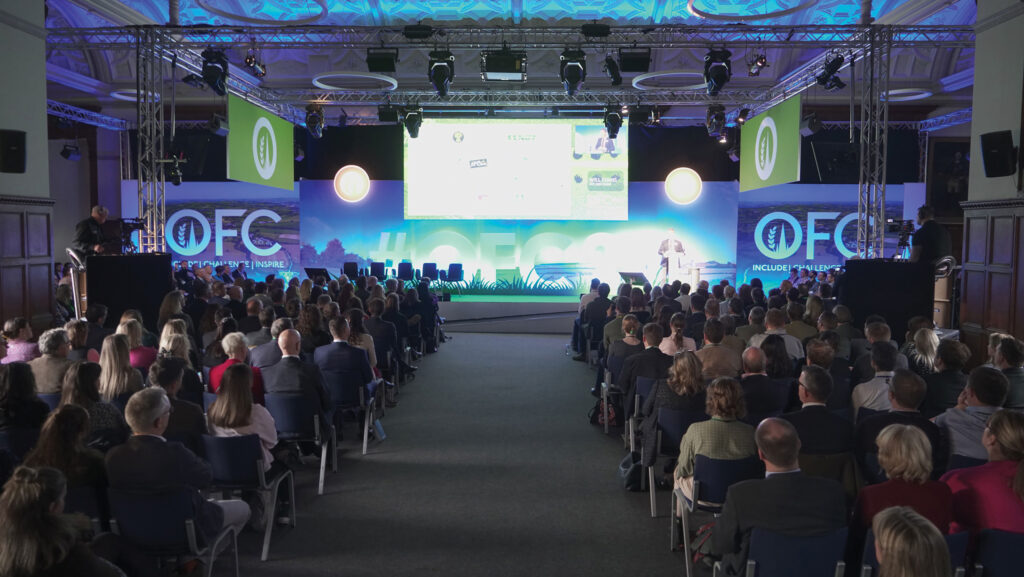
The Oxford Farming Conference (OFC) is an established agricultural conference in the United Kingdom. Its Scholars Programme is designed to introduce younger participants to the food and farming industry, encourage the exchange of ideas and develop the next generation of agricultural leaders.
The 2027 programme is particularly significant because it marks 25 years of the Scholars Programme. The organisers have announced a hybrid development experience involving two in-person gatherings, online sessions and attendance at the Oxford Farming Conference from 6 to 8 January 2027. The programme welcomes people from different professional and educational backgrounds, including individuals who have not studied agriculture.
Nevertheless, applicants need to understand an important distinction before proceeding. This opportunity is not a conventional university scholarship that pays international students’ tuition fees. The main Scholars Programme is funded through sponsoring organisations that nominate individuals, while the separate Breaking Barriers programme provides eight funded places for eligible UK residents who have faced significant barriers to entering the sector.
Understanding these differences can help you determine whether the opportunity suits your circumstances, whether you should seek a sponsoring organisation and what other agricultural funding options you may wish to investigate.
In this comprehensive guide, you will discover the seven major benefits of the programme, the eligibility criteria, application requirements, funding arrangements, deadlines, selection process and practical steps for preparing a strong application.

What Is the Oxford Farming Conference Scholarship 2027?
The Oxford Farming Conference Scholars Programme 2027 is a professional development initiative designed to help young people gain exposure to the food, farming and agricultural industries.
Rather than focusing on university admission or academic tuition, the programme emphasises professional learning, networking, leadership development and participation in discussions about the future of agriculture.
The initiative is intended to help participants understand the challenges and opportunities facing the sector while connecting them with people who have different experiences, responsibilities and perspectives.
For example, someone working on a family farm may understand agricultural production very well but have limited experience of food supply chains, government policy or agricultural investment. Another participant may work in environmental science, food manufacturing or business but want to understand farming more deeply.
Bringing people with these different backgrounds together creates opportunities for learning that may be difficult to obtain through an ordinary classroom or workplace.
The 2027 conference is scheduled to take place from 6 to 8 January 2027 under the theme Harmony. The theme reflects the importance of collaboration and knowledge-sharing across different parts of the agricultural and food industries.
The Scholars Programme will include:
- Two in-person gatherings before the conference.
- Bespoke online learning sessions.
- Leadership and professional development activities.
- Attendance at the Oxford Farming Conference.
- Opportunities to meet other scholars and industry professionals.
- Participation in conference activities and discussions.
The programme is supported by partners including Severn Trent Water and M&S Food.
For the most accurate description of the opportunity, its funding arrangements and application routes, consult the official Oxford Farming Conference Scholars Programme page.
How Is the Oxford Farming Conference Scholarship Different From a University Scholarship?
Many people searching for scholarships expect an award that covers university tuition, living expenses, health insurance and other costs associated with studying abroad. That is not the purpose of this particular programme.
The Oxford Farming Conference Scholars Programme is primarily a professional development opportunity centred on attending a major agricultural conference and participating in associated activities.
The distinction matters because it affects who should apply, what funding is available and what applicants can reasonably expect to receive.
| Feature | Oxford Farming Conference Scholars Programme | Conventional university scholarship |
|---|---|---|
| Main purpose | Professional development and agricultural networking | Academic study and qualifications |
| Typical duration | Pre-conference activities and the January 2027 conference | One or more academic terms or years |
| Main activities | Leadership training, networking, online sessions and conference attendance | Lectures, research, examinations and academic supervision |
| Tuition fees | Not applicable to this programme | May be covered, depending on the award |
| Funding structure | Sponsor-funded places and a separate Breaking Barriers route | Varies by university and scholarship |
| Travel funding | Travel is not included in the main Scholars Programme fee; separate funding arrangements may differ | May be included or excluded |
| Intended outcome | Professional growth, industry connections and agricultural leadership | Academic qualifications and educational advancement |
The programme may be valuable for someone building a career in agriculture, but it should not be confused with a degree scholarship.
Applicants looking specifically for a master’s degree, PhD or undergraduate funding opportunity should also search for scholarships that explicitly support academic study.
7 Powerful Benefits of the Oxford Farming Conference Scholarship 2027
The value of a professional development opportunity should not be measured only by its financial cost. Access to experienced professionals, new ideas, leadership training and industry conversations can also influence a person’s career direction.
The Oxford Farming Conference Scholars Programme offers several potential benefits for participants who want to strengthen their professional knowledge and contribute to the future of food and farming.
1. Access to Agricultural Industry Leaders and Experts
One of the most important benefits of the Oxford Farming Conference Scholarship 2027 is the opportunity to encounter professionals who work across different areas of agriculture.
The agricultural industry involves much more than growing crops or raising livestock. It includes agricultural finance, food processing, logistics, environmental management, technology, research, retail, trade and public policy.
Understanding how these areas connect can help young professionals see the bigger picture.
For instance, a farmer who wants to expand a business may benefit from understanding how retailers make purchasing decisions. Someone developing agricultural technology may need to understand the daily challenges farmers face before creating a useful product. An agricultural graduate interested in policy may need a clearer understanding of the relationship between farming practices, food prices and environmental regulations.
A conference provides an opportunity to hear different perspectives and consider how these issues affect the industry.
Participants may gain insights into:
- Current challenges affecting agricultural businesses.
- Sustainable food production and environmental responsibility.
- The relationship between farmers, retailers and consumers.
- Innovation and technological developments.
- Leadership and decision-making in the agricultural sector.
- Opportunities for cooperation across the food supply chain.
The benefit is not simply meeting influential people. It is learning how they approach problems, make decisions and identify opportunities.
To make the most of these encounters, participants should prepare questions before the conference and take notes during sessions. A thoughtful question about a speaker’s experience can create a more meaningful conversation than simply asking for general career advice.
2. Professional Networking and Long-Term Career Connections
Networking is often described as one of the most valuable aspects of professional development, but its importance is sometimes misunderstood.
Networking does not mean collecting as many contacts as possible. It means building genuine relationships with people who share professional interests, offer different perspectives or may collaborate with you in the future.
The Scholars Programme is designed to encourage peer-to-peer networking and the exchange of ideas. Participants can learn from other young professionals who are facing similar career decisions while developing relationships with people from different backgrounds.
Imagine a participant who is interested in sustainable agriculture but has limited experience in agricultural business management. Another scholar might have experience in a farming enterprise, while a third may be involved in environmental research. Their conversations could reveal new approaches, resources or potential collaborations.
These connections may become useful long after the conference ends.
To develop meaningful relationships, participants should:
- Introduce themselves clearly and explain their interests.
- Ask other participants about their work and professional goals.
- Listen carefully rather than focusing only on what they want to gain.
- Exchange appropriate professional contact information.
- Follow up after the event with a thoughtful message.
- Maintain relationships by sharing relevant information or opportunities.
Networking does not guarantee a job, investment or business partnership. However, it can increase a participant’s awareness of opportunities and help them build a stronger professional community.
For someone entering agriculture from a non-traditional background, this benefit may be particularly valuable because it can provide access to perspectives and relationships they have not previously encountered.
3. Leadership Training and Personal Development
Technical knowledge is important in agriculture, but successful professionals also need communication, collaboration, decision-making and problem-solving skills.
A farm manager must make decisions about labour, equipment, production and finances. An agricultural entrepreneur needs to communicate a business idea clearly. A researcher may need to explain complex findings to policymakers or the public. A community leader may need to bring different stakeholders together to solve a local food production problem.
These responsibilities require more than subject knowledge.
The Oxford Farming Conference Scholars Programme includes leadership and professional development activities intended to help participants develop the skills needed to contribute to the future of the sector.
Participants can use the experience to reflect on their strengths, identify areas for improvement and consider the type of leadership role they want to pursue.
Leadership development may help individuals improve their ability to:
- Communicate ideas clearly and confidently.
- Listen to people with different perspectives.
- Work effectively in teams.
- Evaluate information before making decisions.
- Present proposals to professional audiences.
- Recognise challenges and identify practical solutions.
- Understand how their actions affect colleagues and communities.
These skills are relevant whether someone wants to manage a farm, establish an agricultural business, work for an industry organisation or contribute to environmental initiatives.
A useful way to prepare is to identify one or two skills you want to improve before attending the programme. You might want to become more confident when speaking in groups or learn how to explain an agricultural project to potential partners.
Having clear development goals makes it easier to evaluate what you have learned afterwards.
4. Exposure to New Ideas, Innovation and Sustainable Agriculture
Agriculture is under pressure to produce food efficiently while responding to environmental challenges, changing consumer expectations, resource limitations and economic uncertainty.
These challenges create a need for innovation.
Farmers and agricultural businesses are exploring approaches such as precision agriculture, improved water management, soil conservation, digital monitoring, responsible fertiliser use and better supply-chain coordination.
However, no single solution works for every farm, region or production system. Agricultural innovation requires an understanding of local conditions, economic realities and the needs of the people who use new technologies.
The Oxford Farming Conference offers an environment in which participants can hear different views about the future of agriculture and consider how new ideas might be applied in practice.
A participant interested in agricultural technology, for example, may learn about the practical barriers that prevent farmers from adopting digital tools. Someone interested in environmental management may gain a better understanding of how sustainability goals interact with farm profitability.
This exposure can help participants ask better questions about the problems they want to solve.
Useful areas to explore include:
- Soil health and regenerative farming practices.
- Water conservation and irrigation efficiency.
- Climate adaptation and agricultural resilience.
- Digital farming tools and data-driven decision-making.
- Food waste reduction and supply-chain efficiency.
- Agricultural entrepreneurship and new business models.
- The relationship between environmental protection and farm income.
The most valuable outcome is not necessarily discovering a completely new technology. Sometimes, learning why a particular approach succeeds in one context and fails in another can be equally useful.
Participants should approach discussions with curiosity and a willingness to question their assumptions. That mindset can help them identify practical ideas they can apply in their own work.
5. A Broader Understanding of the Food and Farming Supply Chain
Many people view agriculture primarily through the activities that happen on a farm. In reality, the journey from production to consumption involves a much wider network of businesses and institutions.
Seeds, fertilisers, machinery, finance, labour, storage, processing, transport, retail and consumer demand all influence the success of agricultural production.
Understanding these relationships can help participants identify opportunities that may not be obvious when focusing on only one part of the industry.
Consider someone who produces fresh vegetables. Growing a high-quality crop is only one part of running a successful enterprise. The producer must also understand market demand, post-harvest handling, packaging, transportation, buyer expectations and price fluctuations.
A person who understands the wider supply chain may be better positioned to identify where losses occur and which improvements could increase profitability.
The Scholars Programme offers exposure to people and discussions across the broader food and farming sector. This can help participants appreciate how agricultural decisions affect businesses, consumers and communities.
For example, participants may explore questions such as:
- How do food retailers influence production standards?
- What causes avoidable losses between harvest and market?
- How can farmers improve their negotiating position?
- What role does logistics play in food affordability?
- How can agricultural businesses respond to changing consumer demand?
- Where might new businesses provide useful services to farmers?
These questions are relevant to entrepreneurs, agricultural graduates, researchers, farm workers and professionals entering the industry from other fields.
A broader understanding of the supply chain may also help participants identify career options beyond direct farm production, including agricultural consultancy, food business management, procurement, logistics and environmental services.
6. Greater Confidence and a Stronger Professional Profile
Entering a professional environment for the first time can feel intimidating, particularly for someone who has limited industry connections or has not previously attended a major conference.
The Scholars Programme can provide an opportunity to develop confidence by participating in discussions, meeting other professionals and learning how industry events operate.
Confidence does not mean pretending to know everything. It means being able to ask questions, explain your interests and recognise that learning is a normal part of professional development.
Participation may also provide useful material for a professional profile, particularly when a person can explain what they learned and how the experience influenced their goals.
For example, a participant could describe their involvement in leadership training, reflect on lessons learned from agricultural discussions or explain how they intend to apply a new idea to a project.
However, participants should present their experience accurately. Attending a conference does not automatically make someone an agricultural expert, and participation should never be presented as a university qualification.
To make the experience useful for future applications or professional opportunities:
- Record the main lessons learned during the programme.
- Identify skills developed through participation.
- Reflect on discussions that influenced your thinking.
- Describe any practical actions taken after the event.
- Update your professional profile with accurate information.
- Seek permission before sharing photographs or other material where appropriate.
The strongest professional profile is supported by evidence. If a participant learns about a new approach and later applies it successfully, that practical outcome can be more persuasive than simply listing conference attendance.
7. Opportunities to Contribute to the Future of Agriculture
The final major benefit is the opportunity to participate in conversations about the direction of food and farming.
Agriculture faces questions that cannot be solved by one organisation or group alone. Food security, environmental sustainability, rural employment, agricultural investment and technological change require cooperation between people with different forms of expertise.
Younger professionals can contribute valuable perspectives because they may recognise challenges, technologies or social changes that deserve greater attention.
The Oxford Farming Conference Scholars Programme is intended to encourage the exchange of views and help develop future agricultural leaders. The 2027 conference theme, Harmony, reinforces the importance of cooperation across the sector.
Participants can use this opportunity to think about the contribution they want to make.
A young farmer might want to improve soil management. An agricultural entrepreneur might be interested in reducing post-harvest losses. Someone working outside agriculture might want to develop a business that helps farmers access markets or technology.
Each of these goals can form the basis of a meaningful professional direction.
Before attending, consider the following questions:
- Which agricultural challenge interests me most?
- What experience or knowledge can I contribute?
- What do I need to learn to make a useful contribution?
- Who else is working on a similar problem?
- What practical action can I take after the programme?
Answering these questions can turn a professional development opportunity into a starting point for longer-term work.
Ultimately, the greatest benefit may be the way the experience changes how participants think about their responsibilities, opportunities and potential contribution to the agricultural industry.
Oxford Farming Conference Scholars Programme 2027 Eligibility and Requirements
Before pursuing the opportunity, applicants should understand the difference between the main Scholars Programme and the Breaking Barriers route.
Although both are part of the broader programme, their application procedures and eligibility requirements are not identical.
Eligibility for the Main Scholars Programme
The main Scholars Programme is designed for younger individuals who have the potential to benefit from professional development and wider exposure to the agricultural sector.
The official programme information identifies the following key conditions:
Age: Scholars should be under 30 years old.
Previous conference attendance: Applicants must not have previously attended the Oxford Farming Conference in person. Previous digital attendance is treated differently in the programme information.
Professional or educational background: Applicants may come from a wide range of backgrounds. They do not need to have studied agriculture or an agri-food subject.
Nomination: The main Scholars places are applied for by a sponsor, organisation or group on behalf of a named individual.
Attendance: The proposed scholar should be able to participate in the programme activities, including the scheduled in-person gatherings and January conference.
The programme is therefore broader than an opportunity exclusively for agricultural university graduates. People with relevant interests or transferable skills from other sectors may also be considered.
However, satisfying the basic conditions does not guarantee selection. Applications are reviewed by the Oxford Farming Conference directors, who consider the proposed scholar and the value the programme could provide.
Eligibility for the Breaking Barriers Scholarship 2027
Breaking Barriers is a separate route intended to support people who have experienced significant and identifiable challenges accessing opportunities within food, farming and agriculture.
Unlike the main Scholars Programme, eligible individuals apply directly to the Oxford Farming Conference rather than being nominated by a sponsoring organisation.
The official criteria specify that applicants must:
- Be UK residents.
- Be within the programme’s stated age range of 18 to 30 years.
- Have an interest in food, farming or agriculture.
- Have faced significant and identifiable barriers to entering the sector.
- Be able to attend the required programme activities and the January 2027 conference.
- Meet the attendance and other requirements specified by the organisers.
Applicants are asked to explain the barriers they have faced and describe their aspirations for a career in the sector.
The programme does not require applicants to already be working or studying in agriculture. This is important because the initiative aims to widen access to people who might otherwise struggle to enter the industry.
However, Breaking Barriers applications are restricted to UK residents. Someone living in Nigeria, Ghana, India or another country should not assume that they qualify simply because they are interested in farming or meet the age requirement.
The main Scholars Programme and Breaking Barriers route should not be treated as interchangeable.
Eligibility Comparison Table
| Requirement | Main Scholars Programme | Breaking Barriers |
|---|---|---|
| Age | Under 30 | Stated criteria: 18–30 |
| Previous in-person OFC attendance | Must not have attended previously | Must not have attended previously |
| Agriculture degree required | No | No |
| Application method | Sponsor, organisation or group nominates a named person | Individual applies directly |
| UK residency | Check the programme form and arrangements; do not assume international eligibility | Required |
| Experience of barriers to entering agriculture | Not the defining criterion | Central to the application |
| Funding arrangement | Sponsor-funded place | Eight funded places |
| Programme attendance | Required | Required, including additional Breaking Barriers activities |
Always verify the current requirements before submitting an application because programme rules can change between years.
Can International Students Apply for the Oxford Farming Conference Scholarship 2027?
This is one of the most important questions for international applicants.
The answer requires careful consideration because the programme contains different routes, and the official eligibility conditions do not support treating every route as a globally available scholarship.
Can Applicants From Nigeria, Ghana, India or Other Countries Apply?
The Breaking Barriers route explicitly requires UK residency. Applicants who live outside the United Kingdom should therefore not apply on the assumption that this particular funding route is open to them.
For the main Scholars Programme, the application is submitted by a sponsoring organisation or group on behalf of a named individual. The programme welcomes diverse professional and academic backgrounds, but applicants should confirm residency, nomination and participation requirements directly with the organisers before assuming that an overseas applicant can be accepted.
The published programme information should be checked for any country-specific restrictions or practical arrangements.
This distinction is especially important for applicants who need international travel support. Even if someone is eligible to participate, that does not automatically mean the programme will pay for flights, visas or every other travel-related expense.
Is This a Fully Funded Scholarship for International Students?
The phrase “fully funded scholarships” is popular among people looking for international opportunities, but it must be used carefully.
The main Scholars Programme offers a funded place through a sponsoring organisation that pays the programme fee. The fee for a scholar in 2027 is listed as £1,000 excluding VAT. The fee includes specified programme benefits, including accommodation and meals, but travel costs are not included in that amount.
The Breaking Barriers programme separately funds eight eligible UK-resident participants.
Neither arrangement should be described as a universal international university scholarship covering tuition fees, living expenses and international travel.
If your primary goal is to study for a bachelor’s degree, master’s degree or PhD in the United Kingdom, you should search for academic awards specifically designed for that purpose.
If your goal is to gain agricultural industry exposure, professional connections and leadership development, the Oxford Farming Conference may still be worth investigating, provided you meet the applicable conditions.
Oxford Farming Conference Scholars Programme 2027 Funding and Benefits Explained
Funding is often the deciding factor when people consider professional development opportunities. A programme may sound attractive, but applicants need to know what is included and which costs remain their responsibility.
The Oxford Farming Conference Scholars Programme has a specific funding structure, and understanding it can prevent unexpected expenses.
What Does the Main Scholars Programme Fee Cover?
The official information lists a programme fee of £1,000 excluding VAT for a main Scholars place.
The listed package includes:
- A full ticket to the Oxford Farming Conference.
- Two nights of accommodation.
- The Chair’s Welcome Reception.
- The Oxford Union Debate.
- The Christ Church dinner.
- Associated Scholars Programme training and activities.
The programme also includes two in-person gatherings before the conference and bespoke online sessions.
However, the listed fee does not include travel costs. The organisers ask sponsoring organisations to budget separately for travel and coordinate with their nominated scholars regarding expenses and reimbursement.
The sponsor’s financial responsibility is therefore important. A person who is nominated should confirm in writing what the sponsor will cover, including any transport costs associated with the November activities and the January conference.
What Does Breaking Barriers Funding Cover?
Breaking Barriers provides eight funded places for eligible UK residents who have faced barriers to entering the food, farming and agricultural sector.
Successful applicants participate in the broader Scholars Programme and receive additional activities designed for the Breaking Barriers cohort.
Applicants should read the official conditions carefully to understand the programme arrangements and any responsibilities that remain theirs.
What About Flights, Visas and International Travel?
Applicants should not assume that the programme fee includes international airfare, visa fees or other immigration-related expenses.
The main programme information specifically excludes travel costs from the £1,000 fee. International travel arrangements should be discussed with the organisers and the sponsoring organisation before accepting a place.
The same principle applies to accommodation outside the dates covered by the programme, personal expenses and any additional transport.
Before committing to participate, prepare a budget that covers all relevant costs and confirm which expenses will be reimbursed.
Oxford Farming Conference Scholars Programme 2027 Deadline and Important Dates
Deadlines are especially important for applicants considering the 2027 programme because the main Scholars Programme and Breaking Barriers have published application arrangements that should be checked separately.
As of 9 October 2026, the programme’s announced dates include the following.
| Activity | Date |
|---|---|
| Applications opened | 17 September 2026 |
| Application deadline | 16 October 2026, 5 pm |
| Shortlisting by OFC | Week commencing 19 October 2026 |
| Candidates notified | Week commencing 26 October 2026 |
| First in-person gathering in London | 12 November 2026 |
| Additional Breaking Barriers gathering | 24 November 2026 |
| Second in-person gathering at Harper Adams, Shropshire | 25 November 2026 |
| Online sessions | Between 12 November and 12 December 2026 |
| Oxford Farming Conference 2027 | 6–8 January 2027 |
Important deadline clarification: The official page lists 16 October 2026 at 5 pm for the Breaking Barriers application and gives the same date for the main Scholars Programme application schedule. Confirm the applicable deadline and any subsequent changes directly with the organisers before submitting.
Applicants should also check whether they can attend the full programme. Being available for the January conference alone may not satisfy the participation requirements.
What Should You Do Before the Deadline?
If you are pursuing the main Scholars Programme, identify a potential sponsor or organisation immediately. The main route is not structured as a standard individual scholarship application.
If you are applying through Breaking Barriers, prepare clear responses explaining the challenges you have faced, your interest in agriculture and what you hope to gain from participation.
Do not wait until the final hours to complete an online form. Technical issues, incomplete answers or difficulty contacting the organisers could prevent a timely submission.
How to Apply for the Oxford Farming Conference Scholars Programme 2027
The application process depends on which programme route you are pursuing.
Applicants should first determine whether they are seeking a sponsor-nominated Scholars place or a direct Breaking Barriers place.
Step 1: Identify the Correct Application Route
Start by reading the programme information and confirming which route matches your circumstances.
If you are under 30, have not attended the conference in person and can identify a sponsoring organisation willing to nominate you, the main Scholars Programme may be relevant.
If you are a UK resident aged within the specified range and have faced significant barriers to entering the food, farming or agricultural sector, you may wish to investigate Breaking Barriers.
Do not submit an application under the wrong route. The nomination and funding arrangements are different.
Step 2: Find a Potential Sponsoring Organisation
For the main Scholars Programme, the application is submitted by a sponsor, organisation or group on behalf of a named individual.
Potential sponsors may include employers, agricultural businesses, professional organisations, charities or other groups with a relevant interest in developing future agricultural leaders.
If you are seeking a sponsor, prepare a concise explanation of why the programme is relevant to your development and how the experience could benefit both you and the organisation.
You should explain:
- Your current role, studies or professional interests.
- Why you want to attend the conference.
- Which skills you hope to develop.
- How you intend to use what you learn.
- Why you would be a suitable representative for the sponsoring organisation.
A sponsor is more likely to understand the value of supporting you if you provide a specific and realistic development plan rather than simply asking for financial assistance.
Step 3: Prepare Your Personal and Professional Information
Applicants should prepare accurate information about their background, experience and goals.
For the main Scholars Programme, the nomination form asks about the proposed scholar’s current role or studies, expected personal and professional development, and reasons for the nomination.
These answers help the organisers understand who the candidate is and how they may benefit from the experience.
Before completing the application, consider writing down:
- Your educational and professional background.
- Your interests in food, farming or agriculture.
- Relevant projects, work experience or community activities.
- Your short-term and long-term career goals.
- Skills you want to develop.
- What you hope to contribute to the programme.
You do not need to present yourself as an established agricultural expert. A clear explanation of your interests, potential and willingness to learn may be more relevant than trying to exaggerate your experience.
Step 4: Complete the Application Form Carefully
The sponsor or organisation should complete the main Scholars Programme application using the official application process.
The form requests information about both the organisation submitting the nomination and the proposed scholar. It also asks questions designed to establish the candidate’s eligibility, availability and expected benefits.
For Breaking Barriers, applicants submit their own information directly to the conference organisers and explain the barriers they have faced, their aspirations and how the programme could support their development.
Read every question carefully and answer it directly. Avoid repeating the same general statements across multiple sections.
Where the form requests a short response, focus on the most relevant information rather than trying to include your entire life story.
Step 5: Explain Your Goals and Potential Contribution
A strong application should explain why this particular opportunity matters to you.
For example, instead of writing, “I want to attend because agriculture is important,” explain what you hope to learn and how you intend to apply it.
You might want to understand sustainable food production, improve your leadership skills, explore agricultural entrepreneurship or learn more about the relationship between farming and food supply chains.
If you have relevant experience, explain how it has influenced your goals. If you are entering the sector from another background, explain what attracts you to agriculture and what perspectives you could bring.
The aim is to make your motivation understandable and credible.
Step 6: Confirm Funding and Attendance Arrangements
Before accepting a place, confirm the financial arrangements with the sponsor or organisers.
For the main Scholars Programme, the sponsoring organisation is responsible for funding the programme fee. Travel costs are additional and are not included in that fee.
Clarify who will pay for travel to the November gatherings, transport to Oxford, any required overnight stays outside the package and other relevant expenses.
You should also confirm that you can attend the scheduled activities. The programme involves more than the three-day conference in January.
Step 7: Submit Before the Deadline and Monitor Communications
Submit the application through the appropriate official route before the relevant deadline.
Keep a record of the submission and monitor your email for updates from the organisers.
The published schedule indicates that shortlisting is expected during the week commencing 19 October 2026, with candidates notified during the week commencing 26 October 2026.
These dates are planned programme dates, so applicants should rely on direct communications for their individual application status.

How to Write a Strong Oxford Farming Conference Scholarship 2027 Application
Meeting the eligibility requirements is only the first part of the process. Applicants should also demonstrate that they understand the purpose of the programme and can explain how participation would help them develop.
A strong application is specific, honest and focused.
Demonstrate Genuine Interest in Agriculture
You do not necessarily need an agricultural degree to be interested in the programme. However, you should be able to explain why food, farming or agriculture matters to your professional goals.
Perhaps you have worked in a rural business, supported a family farming enterprise, studied environmental issues, developed an interest in food security or explored agricultural technology.
Whatever your background, explain the connection clearly.
Explain What You Hope to Learn
Avoid vague statements about wanting to become successful or meet important people.
Instead, identify two or three development goals. These might include improving leadership skills, understanding agricultural supply chains, exploring sustainable farming approaches or learning how agricultural businesses respond to change.
Specific goals make it easier for the selection team to understand why the opportunity could be useful.
Show How You Will Apply the Experience
Professional development is more valuable when participants put their learning into practice.
Explain how you intend to use the knowledge gained from the programme. You might share lessons with colleagues, apply new approaches to a business, explore a project or develop stronger professional relationships.
You do not need to promise unrealistic results. A practical plan is more persuasive than a dramatic claim.
Be Honest About Your Experience
Applicants should never invent qualifications, employment history, barriers or achievements.
If you are at the beginning of your career, focus on your interests, potential and willingness to learn. If you have substantial experience, explain what new perspectives or skills you want to gain.
Authenticity is important because the programme is designed to support professional development, not simply reward people who already have impressive job titles.
Common Mistakes to Avoid When Applying
Some mistakes can weaken an otherwise promising application.
1. Confusing the programme with a university scholarship. The Scholars Programme focuses on professional development and conference participation, not academic tuition.
2. Applying through the wrong route. The main programme requires sponsor nomination, whereas Breaking Barriers accepts direct applications from eligible UK residents.
3. Ignoring residency requirements. Applicants should verify whether their circumstances meet the requirements of the particular route.
4. Writing generic application answers. Explain your own goals, background and reasons for applying rather than relying on statements that could describe anyone.
5. Assuming all expenses are covered. Travel costs are excluded from the main Scholars Programme fee. Confirm the complete budget before accepting a place.
6. Missing the deadline. Prepare early and submit through the correct channel.
7. Exaggerating experience. Present your skills and achievements honestly.
8. Failing to explain future plans. Show how the experience could contribute to your personal and professional development.
Avoiding these mistakes will not guarantee selection, but it can help ensure that your application accurately reflects your suitability and motivation.
Is the Oxford Farming Conference Scholarship 2027 Worth Applying For?
Whether the programme is worth pursuing depends on your goals, eligibility and financial circumstances.
For a young professional who wants to build connections, develop leadership skills and understand the wider agricultural industry, it may provide a valuable learning experience.
For someone seeking a fully funded university degree in the United Kingdom, it is not an appropriate substitute for an academic scholarship.
The best way to evaluate the opportunity is to compare its benefits with your own professional objectives.
Who May Benefit Most?
The programme may be especially relevant to:
- Young people interested in agricultural leadership.
- Early-career professionals working in food or farming.
- Individuals exploring agricultural entrepreneurship.
- People interested in sustainable food production.
- Professionals entering agriculture from other sectors.
- Eligible UK residents who have faced barriers to entering the industry and qualify for Breaking Barriers.
The programme’s openness to diverse backgrounds is an important feature. It recognises that useful perspectives can come from people who have not followed a traditional agricultural education or career path.
Who Should Consider Other Opportunities?
You may need to investigate alternatives if your primary goal is to obtain a university degree, receive a monthly living allowance or secure comprehensive international travel funding.
Applicants outside the UK should pay particular attention to the residency conditions of the available routes.
If you cannot obtain a sponsor for the main Scholars Programme, you should also consider whether other OFC opportunities or professional development programmes may better suit your circumstances.
Other Agriculture Scholarships UK Opportunities to Explore
The Oxford Farming Conference Scholars Programme is one way to develop professionally, but it is not the only route to building an agricultural career.
The United Kingdom has universities, research institutions, charities and industry organisations that offer different forms of support. Availability and eligibility vary, so applicants should identify opportunities that match their academic qualifications, residency and career plans.
Conference Bursaries
OFC also offers conference bursaries for eligible individuals who are actively working in food, farming or agriculture, or who can demonstrate a pathway into the industry.
The 2027 bursary information specifies UK residency, a minimum age of 18, no previous in-person conference attendance and the ability to attend the full conference. Applicants must also be facing social or economic barriers that make the cost of attendance difficult to afford.
The published bursary package includes a conference ticket, two nights of accommodation, specified conference activities and the option to request a contribution towards travel.
This is a separate route from the main Scholars Programme and Breaking Barriers. Applicants should review the conditions and application process on the official OFC bursaries page.
University-Based Agricultural Scholarships
If you want to study agriculture, environmental science, food systems, agricultural economics or a related subject, university scholarships may be more suitable.
When comparing awards, check:
- Whether the scholarship supports undergraduate, master’s or doctoral study.
- Whether international applicants are eligible.
- Whether tuition fees are covered fully or partially.
- Whether living expenses are included.
- Whether an English-language qualification is required.
- Whether work experience or a research proposal is necessary.
- Whether the university requires a separate scholarship application.
- The application deadline and course commencement date.
Do not assume that a scholarship is fully funded simply because it offers financial support. Some awards cover only part of tuition, while others may include living expenses or additional allowances.
Research and Agricultural Development Funding
Applicants interested in agricultural research may also investigate funding linked to food security, environmental sustainability, plant science, agricultural economics and rural development.
These opportunities often have more specialised requirements. A doctoral research award, for example, may require an appropriate academic background, a research proposal and agreement from a potential supervisor.
Professional development awards, by contrast, may prioritise practical experience, leadership potential or a clear commitment to the agricultural sector.
Choosing the correct type of funding can save time and help you focus on opportunities that match your objectives.
How to Prepare for Agriculture Scholarships 2027
Planning ahead can improve your chances of finding an opportunity that suits your background and goals.
Start by identifying the type of support you actually need. If you want professional networking, a conference programme may be appropriate. If you want to earn a degree abroad, you should focus on academic scholarships.
Next, prepare a simple application folder containing your CV, educational records, evidence of relevant experience and a draft statement of purpose. You can adapt these documents for individual opportunities rather than starting from scratch each time.
Create a calendar of application deadlines and check official sources regularly for changes.
It is also helpful to maintain a record of your achievements. This could include agricultural projects, volunteer work, business activities, research experience, leadership responsibilities or relevant professional training.
Finally, pay attention to eligibility before spending time on an application. Confirm residency requirements, age limits, funding conditions and the type of applicant the programme is designed to support.
Frequently Asked Questions About the Oxford Farming Conference Scholarship 2027
1. What Is the Oxford Farming Conference Scholarship 2027?
It is commonly used as a search term for the Oxford Farming Conference Scholars Programme 2027, a professional development initiative designed to connect younger participants with the food and farming industry through networking, training and conference attendance.
2. When Is the Oxford Farming Conference 2027?
The conference is scheduled for 6–8 January 2027 in Oxford, with online elements also available.
3. What Is the Application Deadline?
The published application schedule gives 16 October 2026 at 5 pm. The main Scholars Programme and Breaking Barriers have distinct application procedures, so applicants should verify the deadline for their route with the organisers.
4. Can International Students Apply?
The Breaking Barriers route is restricted to UK residents. For the main Scholars Programme, applicants should confirm residency and nomination requirements with the organisers rather than assume that the programme is open to all international applicants.
5. Is the Oxford Farming Conference Scholarship Fully Funded?
The main Scholars Programme place is funded by the sponsoring organisation, with a published fee of £1,000 excluding VAT. The package includes specified conference and accommodation benefits, but travel is excluded from the fee.
Breaking Barriers separately funds eight places for eligible UK residents.
Neither should be confused with a general university scholarship covering tuition and living expenses.
6. Do I Need an Agriculture Degree?
No agricultural degree is specified as a requirement for the main Scholars Programme. The initiative welcomes people from different educational and professional backgrounds.
7. Can I Apply Without a Sponsor?
The main Scholars Programme is structured around nominations from sponsors, organisations or groups. Breaking Barriers is a separate route through which eligible individuals apply directly.
8. What Is the Age Requirement?
The main Scholars Programme asks that scholars be under 30. Breaking Barriers lists an age range of 18 to 30. Applicants should check the current official criteria for their chosen route.
9. What Does the Programme Include?
The 2027 programme includes two in-person gatherings, bespoke online sessions, professional development activities and attendance at the Oxford Farming Conference.
10. Does the Programme Pay for Flights?
Travel costs are not included in the £1,000 fee for the main Scholars Programme. Applicants should confirm travel funding and reimbursement arrangements with their sponsor and the organisers.
11. What Is Breaking Barriers?
Breaking Barriers is a programme designed to support eligible UK residents who have faced significant barriers to entering food, farming or agriculture. It provides eight funded places and includes additional cohort activities.
12. What Should I Include in My Application?
Depending on the route, applicants may need to explain their background, current role or studies, interest in agriculture, professional goals, reasons for applying and what they hope to gain from the programme.
13. Does Attending the Conference Guarantee a Job?
No. The programme can help participants develop skills and professional relationships, but it does not guarantee employment, investment or business success.
14. Can Someone Who Has Never Worked in Agriculture Apply?
The main programme welcomes people from non-traditional backgrounds, including those who have not studied agri-food subjects. The Breaking Barriers route also does not require applicants to be currently working or studying in the sector, although its other eligibility conditions still apply.
15. What Should I Do If I Am Not Eligible?
Consider other professional development programmes, agricultural conference bursaries or university scholarships that match your age, residency, education and career objectives.
Conclusion: Make an Informed Decision About the Oxford Farming Conference Scholarship 2027
The Oxford Farming Conference Scholars Programme 2027 offers an opportunity for young people to develop professional skills, build industry connections and gain a broader understanding of the food and farming sector.
Its seven major attractions include access to industry discussions, networking, leadership development, exposure to innovation, supply-chain knowledge, professional confidence and the opportunity to contribute to the future of agriculture.
However, applicants should understand that the programme is not a conventional university scholarship. The main Scholars Programme relies on sponsor nominations and a funded programme fee, while Breaking Barriers provides a separate route for eligible UK residents who have faced barriers to entering the sector.
The published deadline is 16 October 2026 at 5 pm, so interested applicants should check the official requirements promptly and confirm the correct application route.
If you want to pursue an agricultural career, this opportunity may be worth exploring. If your goal is to study abroad with tuition and living expenses covered, make sure you also investigate academic scholarships designed specifically for international students.
The most important step is to match your goals with the right opportunity, understand the funding conditions and prepare an honest, focused application.
Shortcut👇.