Every year, thousands of talented scholars, historians, journalists, authors, translators, playwrights, poets, and independent researchers compete for prestigious fellowships around the world. Yet only a handful of opportunities combine generous funding, unrestricted access to one of the world’s greatest research libraries, and the freedom to spend months developing a major intellectual or creative project.
The NYPL Cullman Center Fellowship is one of those rare opportunities.
For the 2027–2028 fellowship cycle, the Dorothy and Lewis B. Cullman Center for Scholars and Writers at the New York Public Library is offering 15 highly competitive fellowships, each carrying a $90,000 stipend, a private office, and nine months of uninterrupted research and writing time in New York City. Applications for this cycle close on September 25, 2026, at 5:00 p.m. EDT, with the fellowship running from September 2027 through May 2028.
Unlike many academic grants that focus primarily on financial assistance, this USA Research Fellowship is designed to give exceptional thinkers something equally valuable—time, community, and direct access to one of the richest collections of books, manuscripts, archives, photographs, maps, newspapers, and digital resources in the world.
Whether you’re writing a groundbreaking history book, conducting humanities research, developing a biography, translating important literary works, or creating an original work of nonfiction, the NYPL Fellowship 2027 offers an environment built specifically for deep intellectual work.
But here’s what many applicants fail to realize:
Winning this fellowship isn’t simply about having impressive credentials.
The selection committee wants compelling ideas, exceptional writing, and a convincing explanation of why your project specifically requires the New York Public Library’s collections. Applicants who overlook this often weaken otherwise strong proposals. (New York Public Library)
That is exactly why this guide was created.
Rather than merely repeating the official eligibility requirements, this article walks you through:
- What makes the fellowship so prestigious
- Who is eligible to apply
- The benefits you can expect
- The official application timeline
- Common mistakes applicants make
- Practical strategies that can strengthen your proposal
- Proven tips that can improve your chances of success
By the end of this guide, you’ll have a clear roadmap for preparing a competitive application for one of the most respected research fellowships in the world.

What Is the NYPL Cullman Center Fellowship?
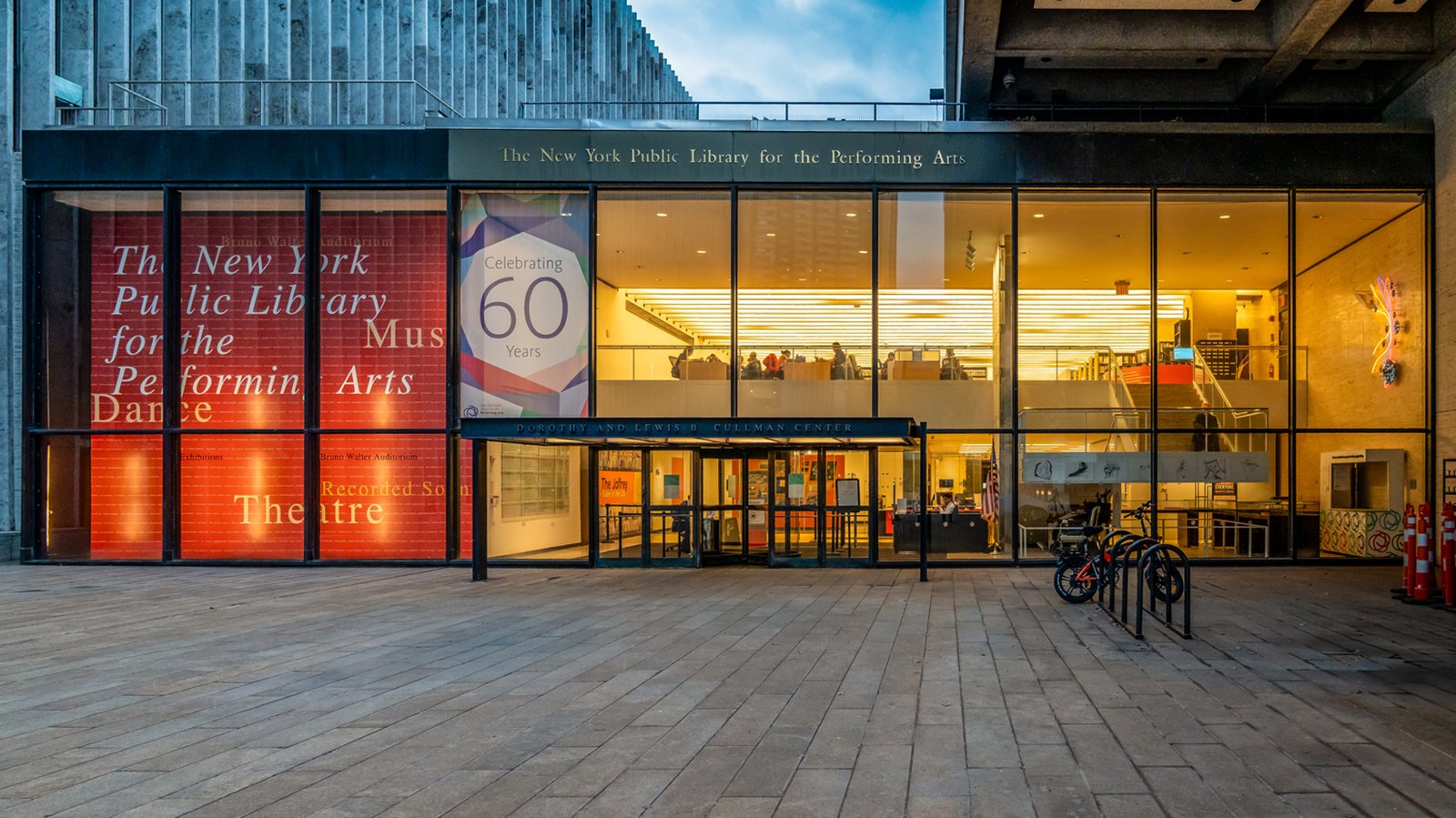
The NYPL Cullman Center Fellowship is an international residential fellowship hosted by the Dorothy and Lewis B. Cullman Center for Scholars and Writers, located inside the iconic Stephen A. Schwarzman Building of the New York Public Library in Manhattan.
Each year, approximately 15 Fellows are selected from around the world to spend nine months pursuing ambitious research and writing projects while working alongside an interdisciplinary community of scholars and writers. Fellows receive a $90,000 stipend, a private office with a computer, and full access to the Library’s renowned physical and electronic collections. The fellowship is open to academics, independent scholars, journalists, creative writers, translators, and visual artists working on book projects whose work will benefit directly from the Library’s collections. (New York Public Library)
One reason the program is so highly regarded is its emphasis on uninterrupted intellectual work. Fellows are expected to be in residence and work primarily at the Center from September through May, participating in the scholarly community while advancing their own projects. (NYPL Online Application Portal)
NYPL Cullman Center Fellowship Overview
| Feature | Details |
|---|---|
| Fellowship Name | NYPL Cullman Center Fellowship |
| Host Institution | New York Public Library |
| Country | United States |
| Fellowship Type | Fully Funded Residential Research Fellowship |
| Funding | $90,000 Stipend |
| Number of Fellows | Approximately 15 annually |
| Duration | Nine Months (September–May) |
| Eligible Applicants | Scholars, writers, journalists, translators, independent researchers, and eligible visual artists |
| Location | Stephen A. Schwarzman Building, New York City |
| Application Deadline | September 25, 2026 (5:00 p.m. EDT) |
| Fellowship Period | September 2027 – May 2028 |
Why the NYPL Cullman Center Fellowship Stands Out Among Fully Funded Fellowship USA Opportunities
There are hundreds of fellowship opportunities available every year.
Some provide research grants.
Others offer travel funding.
A few cover tuition.
However, very few fellowships combine all of the following:
- A generous $90,000 living stipend
- Nine months of uninterrupted research time
- A private office in one of the world’s leading research libraries
- Access to millions of books, manuscripts, maps, archives, photographs, and rare collections
- An interdisciplinary community of accomplished scholars and writers
- Opportunities to present work and engage in public programs
This combination explains why the NYPL Cullman Center Fellowship consistently attracts applicants from across the globe and why it remains one of the most competitive Fully Funded Fellowship USA opportunities for humanities scholars and creative writers. (New York Public Library)
For complete eligibility rules and the official application portal, refer to:
- The New York Public Library Cullman Center Fellowship (official): https://www.nypl.org/about/fellowships-institutes/cullman-center-scholars-writers/fellowships (New York Public Library)
- NYPL Fellowship Application Guidelines (official): https://nypl.onlineapplicationportal.com/misc/guidelines/ (NYPL Online Application Portal)
Why the NYPL Cullman Center Fellowship Is One of the World’s Most Prestigious USA Research Fellowships
When people hear the phrase “fully funded fellowship,” they often think only about financial support. While funding is certainly important, the world’s most respected fellowships offer something even more valuable—an environment where exceptional ideas can flourish.
That is precisely what makes the NYPL Cullman Center Fellowship different.
Instead of simply awarding a grant and expecting recipients to work independently, the fellowship immerses scholars and writers in one of the most intellectually stimulating research communities in the United States. Fellows spend nine months surrounded by accomplished historians, novelists, journalists, biographers, poets, translators, and public intellectuals, all pursuing ambitious projects under one roof.
This unique environment encourages collaboration, thoughtful discussion, and the exchange of ideas across disciplines. Many books, biographies, historical studies, and award-winning literary works have been developed during a Cullman Center residency.
For anyone serious about producing meaningful research or a major publication, this opportunity offers far more than financial assistance—it provides the time, resources, and scholarly atmosphere needed to do their best work.
NYPL Fellowship 2027: Why Researchers Around the World Apply Every Year
Competition for the NYPL Fellowship 2027 is expected to remain exceptionally strong, and for good reason.
Unlike fellowships limited to university faculty or doctoral candidates, the program welcomes a broader range of applicants, including:
- Established scholars
- Independent researchers
- Historians
- Journalists
- Literary critics
- Novelists
- Biographers
- Playwrights
- Translators
- Poets
- Creative nonfiction writers
- Eligible visual artists whose work is research-based
This diversity creates a dynamic intellectual community where ideas from different disciplines intersect. A historian studying colonial Africa may share insights with a novelist writing historical fiction, while a journalist researching global migration may find inspiration through conversations with a literary scholar.
These interdisciplinary exchanges are one of the defining strengths of the fellowship and help explain why it has earned an international reputation for excellence.
Benefits of the NYPL Cullman Center Fellowship
The NYPL Cullman Center Fellowship is widely recognized because its benefits extend well beyond financial support. While the generous stipend attracts attention, the fellowship’s true value lies in the combination of funding, resources, and professional opportunities it provides.
Below are the major benefits applicants can expect if selected.
1. Receive a $90,000 Fellowship Stipend
The most visible benefit is the $90,000 stipend awarded to each fellow.
This funding is intended to support recipients throughout the nine-month fellowship period, allowing them to focus on research and writing rather than seeking additional employment or short-term funding opportunities.
For many scholars and writers, uninterrupted time is one of the rarest and most valuable resources. The stipend makes that possible.
2. Full-Time Access to One of the World’s Greatest Research Libraries
Perhaps the greatest advantage of the USA Research Fellowship is access to the extraordinary collections of the New York Public Library.
The library houses millions of research materials, including:
- Rare books
- Historical manuscripts
- Newspapers
- Government documents
- Maps
- Personal archives
- Photographs
- Prints
- Audio recordings
- Digital collections
- Special collections unavailable elsewhere
Many successful fellowship projects rely heavily on these unique resources, which is why applicants are expected to explain how their work specifically benefits from the Library’s holdings.
A proposal that merely describes an interesting research topic without demonstrating a clear need for NYPL’s collections is unlikely to be competitive.
3. A Private Office Designed for Serious Research
Unlike many grant programs where recipients work remotely, fellows receive their own office within the Cullman Center.
This dedicated workspace provides:
- Quiet research time
- Reliable internet access
- Computing facilities
- Easy access to library materials
- An environment designed specifically for long-form intellectual work
For writers producing book-length manuscripts or scholars conducting archival research, having a permanent workspace can significantly improve productivity.
4. Membership in an International Community of Scholars
The fellowship is not an isolated experience.
Each cohort includes experts from a wide variety of disciplines, creating an active intellectual community throughout the residency.
Fellows frequently:
- Exchange research ideas
- Discuss manuscripts
- Attend seminars
- Participate in public conversations
- Build lasting professional relationships
- Collaborate across disciplines
These connections often continue long after the fellowship ends, opening doors to future collaborations and publishing opportunities.
5. Dedicated Time to Complete a Major Project
Many talented researchers struggle with balancing teaching, administrative duties, consulting work, and personal responsibilities.
The NYPL Cullman Center Fellowship removes many of these distractions.
During the residency, fellows can devote themselves almost entirely to one major project, whether that is:
- Writing a scholarly book
- Completing a historical biography
- Translating an important literary work
- Producing investigative nonfiction
- Conducting archival research
- Developing a significant creative project
This uninterrupted focus is one of the reasons the fellowship has contributed to so many influential publications.
6. Professional Recognition That Lasts Beyond the Fellowship
Being selected as a Cullman Center Fellow is a prestigious achievement in itself.
Former fellows often go on to:
- Publish award-winning books
- Receive international literary prizes
- Secure university appointments
- Obtain future grants and fellowships
- Speak at global conferences
- Influence public scholarship
For many recipients, the fellowship becomes a defining milestone in their academic or creative careers.
Overview of NYPL Cullman Center Fellowship Benefits
| Benefit | Why It Matters |
|---|---|
| $90,000 stipend | Provides financial freedom to focus on research |
| Nine-month residency | Allows uninterrupted work on major projects |
| Private office | Supports productivity and concentration |
| Full NYPL collections access | Enables high-quality archival research |
| Global scholarly community | Encourages collaboration and networking |
| Public programs | Increases professional visibility |
| Prestigious recognition | Strengthens future academic and literary opportunities |
Who Should Apply for the NYPL Cullman Center Fellowship?
One of the most common misconceptions about this fellowship is that it is only intended for university professors.
In reality, the fellowship welcomes applicants from a broad range of professional backgrounds, provided they have a compelling research or writing project that requires access to the New York Public Library’s collections.
Strong candidates often include:
Academic Researchers
Researchers in disciplines such as:
- History
- Literature
- Philosophy
- Cultural Studies
- Political Science
- Sociology
- Religious Studies
- Anthropology
are encouraged to apply if their work depends on the Library’s collections.
Independent Scholars
You do not need to hold a university appointment to be competitive.
Many successful fellows are independent researchers whose work demonstrates originality, scholarly rigor, and public impact.
What matters most is the strength of your proposed project—not your institutional affiliation.
Journalists
Investigative journalists, long-form writers, and documentary researchers often find the fellowship especially valuable.
If your reporting requires extensive archival research or historical documentation, the NYPL’s collections may provide the evidence needed to produce a compelling book or major investigative work.
Creative Writers
The fellowship is also open to accomplished creative writers working on projects grounded in research.
Examples include:
- Historical novels
- Literary nonfiction
- Memoirs requiring archival research
- Essays
- Biographical works
Applicants should clearly explain why access to the Library’s collections is essential to completing their work.
Translators
Literary translators whose projects require rare texts, manuscripts, or archival materials may also be strong candidates.
The fellowship recognizes the important role translators play in making global literature accessible to wider audiences.
Visual Artists
Although the fellowship primarily supports scholars and writers, certain visual artists whose work is deeply rooted in research may also be eligible.
Applicants should carefully review the official guidelines to determine whether their project aligns with the fellowship’s objectives.
Is the NYPL Fellowship 2027 Worth Applying For?
If your project genuinely depends on extensive library research, the answer is almost certainly yes.
The combination of:
- substantial financial support,
- uninterrupted research time,
- access to world-class collections,
- intellectual collaboration,
- and international prestige
makes the NYPL Fellowship 2027 one of the most attractive opportunities available for scholars and writers.
However, because only about 15 fellows are selected each year, submitting a thoughtful, well-researched, and carefully tailored application is essential. Simply having an impressive résumé is not enough; your proposal must clearly demonstrate originality, significance, and a compelling need for the New York Public Library’s unique resources.
NYPL Cullman Center Fellowship Eligibility Requirements: Who Can Apply Successfully?
One of the biggest reasons applicants are rejected isn’t because they lack talent—it is because they misunderstand the NYPL Cullman Center Fellowship 2027 eligibility requirements.
Many people assume the fellowship is only for university professors or researchers affiliated with prestigious institutions. Others believe only American citizens are eligible. Neither assumption is accurate.
The selection committee is interested in exceptional projects that require the extraordinary collections of the New York Public Library. While an impressive academic or literary record certainly strengthens an application, the project itself—and its connection to NYPL’s resources—is the heart of the evaluation process.
Understanding the eligibility requirements before you begin your application can save you time and help you determine whether this opportunity is the right fit.
NYPL Cullman Center Fellowship 2027 Eligibility Requirements
To be considered for the NYPL Cullman Center Fellowship, applicants should generally meet the following criteria.
1. You Must Be Working on a Significant Research or Writing Project
The fellowship is intended for individuals engaged in a serious long-term intellectual or creative project.
Examples include:
- Academic books
- Historical research
- Literary criticism
- Biography
- Cultural studies
- Translation projects
- Investigative journalism
- Creative nonfiction
- Research-based fiction
- Public humanities projects
The project should demonstrate originality, intellectual merit, and the potential to contribute meaningfully to its field.
2. Your Project Must Require the New York Public Library’s Collections
This is arguably the single most important eligibility requirement.
Many applicants describe fascinating projects but fail to explain why they need the New York Public Library specifically.
The selection committee wants to understand:
- Which NYPL collections you plan to use
- Why these materials are essential
- Why alternative libraries cannot adequately support your research
- How access to these collections will improve your project
Applicants who make a strong, specific case for using NYPL’s collections generally have a more competitive application.
3. Scholars, Writers, and Independent Researchers Are Welcome
The fellowship welcomes applicants from diverse professional backgrounds, including:
- University faculty
- Independent scholars
- Authors
- Journalists
- Historians
- Literary critics
- Translators
- Poets
- Playwrights
- Creative nonfiction writers
- Qualified visual artists with research-driven projects
The emphasis is on the quality and significance of the proposed work rather than on holding a particular academic title.
4. International Applicants Are Eligible
The NYPL Fellowship 2027 is open to applicants from around the world.
Researchers and writers outside the United States are encouraged to apply, provided they can participate in the required residency if selected.
This international approach enriches the fellowship community by bringing together diverse perspectives and experiences.
5. You Must Be Able to Participate in the Residency
The fellowship is residential.
Successful applicants are expected to spend the fellowship period at the Cullman Center in New York City and actively participate in the Center’s intellectual community.
This includes:
- Conducting research on-site
- Working from the provided office
- Attending fellowship events
- Engaging with fellow scholars and writers
Applicants who cannot commit to the residency requirements should carefully review the official guidelines before applying.
Who Is Most Likely to Be Competitive?
Although there is no perfect profile, successful applicants often share several characteristics.
Strong candidates usually have:
- A clearly defined research question
- Previous publications or significant professional work
- Evidence of expertise in their field
- A project with broad intellectual or cultural significance
- Excellent writing ability
- A convincing explanation of how NYPL collections will support their work
Remember, the fellowship is highly competitive. Selection is based on excellence, originality, and the project’s potential impact—not simply years of experience.
Fields and Disciplines Commonly Represented
The NYPL Cullman Center Fellowship supports a wide variety of disciplines. Applicants have come from many areas of research and creative practice.
Common fields include:
Humanities
- History
- Literature
- Philosophy
- Religious Studies
- Classics
- Cultural Studies
- Comparative Literature
Social Sciences
- Sociology
- Anthropology
- Political Science
- Economics (historical or archival projects)
- Area Studies
Journalism
Long-form investigative journalism, historical reporting, and documentary research projects are particularly well suited when they depend on archival resources.
Creative Writing
Research-based creative projects may include:
- Historical novels
- Literary nonfiction
- Memoirs
- Essay collections
- Biography
Translation
Literary translators working with manuscripts, rare texts, or archival materials are encouraged to apply when NYPL’s collections are central to the project.
Who May Not Be a Good Fit?
While the fellowship welcomes a broad range of applicants, certain projects are generally less competitive.
Examples include:
- Projects that do not require NYPL collections
- Purely scientific laboratory research
- Commercial business ventures
- Undergraduate coursework
- Routine classroom assignments
- Projects lacking a clear research component
- Applications with vague or incomplete research plans
Applicants should always evaluate whether the fellowship’s resources genuinely align with their project’s needs.
Common Reasons Applications Are Rejected
Understanding why applications are unsuccessful can help you avoid avoidable mistakes.
Below are some of the most frequent issues seen in highly competitive fellowship programs like the NYPL Cullman Center Fellowship.
1. Failing to Demonstrate the Need for NYPL Collections
This is one of the most common weaknesses.
Simply stating that the New York Public Library has excellent resources is not enough.
Instead, explain:
- Which collections you intend to consult
- Why those materials are important
- How they advance your project
- Why they are difficult to access elsewhere
Specificity matters.
2. A Proposal That Is Too Broad
Applicants sometimes propose projects so ambitious that they cannot reasonably be completed during the fellowship.
A focused project is generally stronger than one attempting to cover an enormous subject.
The selection committee wants confidence that meaningful progress can be achieved during the residency.
3. Weak Project Description
Even an excellent research idea can be undermined by poor presentation.
Common problems include:
- Unclear objectives
- Lack of structure
- Excessive jargon
- Weak organization
- Failure to explain the significance of the work
A successful proposal tells a compelling story while remaining academically rigorous.
4. Ignoring the Evaluation Criteria
Every fellowship has its own priorities.
For the NYPL Fellowship 2027, reviewers are looking for:
- Originality
- Scholarly or creative excellence
- Feasibility
- Relevance to NYPL collections
- Potential public or academic impact
Applicants who tailor their proposals to these priorities often have a stronger chance of success.
5. Submitting an Incomplete Application
It sounds obvious, yet incomplete applications remain a common reason for disqualification.
Always verify that you have submitted:
- All required forms
- Project proposal
- Curriculum Vitae (CV)
- Writing samples
- References (if requested)
- Any additional supporting documents specified in the application instructions
A final review before submission can prevent simple but costly mistakes.
Eligibility Checklist
Use the checklist below to assess whether you’re ready to apply.
| Requirement | Yes/No |
|---|---|
| I have a well-defined research or writing project | |
| My project clearly depends on NYPL collections | |
| I can participate in the nine-month residency | |
| I have relevant experience or publications | |
| My proposal demonstrates originality and impact | |
| My writing sample is polished and relevant | |
| I have carefully reviewed the application guidelines | |
| I can submit all materials before the deadline |
If you can confidently check most of these boxes, you’re already building a strong foundation for a competitive application.
Why Meeting the Eligibility Requirements Is Only the Beginning
Meeting the NYPL Cullman Center Fellowship 2027 eligibility requirements allows you to apply—but it does not guarantee success.
The applicants who ultimately receive this prestigious USA Research Fellowship are those who go beyond eligibility. They submit proposals that are original, carefully researched, clearly written, and deeply connected to the New York Public Library’s unique collections.
9 Proven Steps to Win the NYPL Cullman Center Fellowship
Every application cycle, the NYPL Cullman Center Fellowship receives submissions from accomplished professors, award-winning authors, journalists, historians, translators, and independent scholars from around the world. Only about 15 fellows are selected, making it one of the most competitive opportunities in the humanities.
At first glance, this can seem intimidating.
However, when you study the profiles of successful fellows and the official evaluation criteria, a pattern begins to emerge. Winning applicants don’t simply have impressive résumés—they present research projects that are original, clearly defined, feasible, and deeply connected to the New York Public Library’s collections.
In this section, we’ll examine the first five proven steps that can significantly strengthen your application.
Step 1: Build Your Entire Application Around the NYPL Collections
This is the single most important strategy for anyone applying for the NYPL Cullman Center Fellowship.
Many applicants spend pages describing their research topic but devote only a few sentences to explaining why they need the New York Public Library. Unfortunately, this is one of the quickest ways to weaken an otherwise excellent proposal.
The fellowship exists to support projects that genuinely depend on NYPL’s extraordinary collections. If reviewers believe your work could be completed just as easily at another library or from home, your application immediately becomes less competitive.
How to do this effectively
Before writing your proposal:
- Explore the NYPL catalog and digital collections.
- Identify manuscripts, archives, rare books, newspapers, maps, photographs, or special collections that relate directly to your project.
- Mention these resources specifically in your proposal.
- Explain how they will shape your research findings or creative work.
For example, instead of writing:
“The New York Public Library has many useful historical resources.”
Write something more specific:
“This project relies on nineteenth-century newspaper archives, personal correspondence, and rare manuscript collections housed at the New York Public Library, which are essential for reconstructing the social networks examined in this study.”
Specificity demonstrates preparation and seriousness.
Step 2: Choose a Project That Is Original and Significant
One question reviewers quietly ask while reading every application is:
“Why does this project matter?”
Your proposal should answer that question clearly.
The strongest USA Research Fellowship applications tackle subjects that:
- Address an important historical, literary, or cultural question.
- Offer a fresh perspective on an existing topic.
- Introduce previously overlooked evidence.
- Challenge conventional interpretations.
- Make meaningful contributions to scholarship or public understanding.
Characteristics of a strong project
A competitive proposal is:
- Original
- Timely
- Well researched
- Clearly focused
- Achievable within the fellowship period
- Relevant to today’s intellectual conversations
Avoid projects that are so broad they become impossible to complete within nine months.
Instead of proposing:
“A Complete History of Colonial Africa.”
Consider:
“The Role of Indigenous Newspapers in Shaping Anti-Colonial Movements in West Africa Between 1915 and 1945.”
The second topic is more focused, more manageable, and more persuasive.
Step 3: Write a Proposal That Tells a Story
Many applicants mistakenly believe fellowship proposals should read like technical research papers.
In reality, reviewers appreciate proposals that are intellectually rigorous and engaging.
Think of your proposal as telling the story of your research.
By the end of the first page, reviewers should understand:
- What you’re studying.
- Why it matters.
- Why now is the right time.
- Why NYPL is essential.
- Why you’re the right person to undertake the project.
Every paragraph should move naturally toward those answers.
A strong proposal typically includes
Introduction
Introduce your research question immediately.
Avoid spending half a page on background information before explaining your project.
The Problem
Explain:
- What gap exists in current knowledge?
- What has previous scholarship overlooked?
- Why should readers care?
Your Approach
Describe:
- Your research methods.
- Primary sources.
- Archives.
- Historical documents.
- Analytical framework.
Expected Outcome
Tell reviewers what the fellowship will produce.
Examples include:
- A scholarly book.
- A historical biography.
- A translation.
- A major investigative work.
- A nonfiction manuscript.
- A creative literary work.
Step 4: Demonstrate That You Can Finish the Project
One of the qualities reviewers value most is feasibility.
Even the most fascinating project may not receive funding if reviewers believe it cannot realistically be completed during the fellowship.
Your proposal should reassure them that you have:
- A clear research plan.
- Realistic objectives.
- Experience in similar work.
- Access to necessary materials.
- A practical timeline.
Show evidence of progress
Successful applicants often mention work already completed.
Examples include:
- Preliminary archival research.
- Published articles.
- Conference papers.
- Earlier chapters.
- Pilot studies.
- Existing interviews.
- Collected source materials.
Doing so shows reviewers that the project is already underway rather than remaining a vague idea.
Step 5: Present Yourself as the Right Person for the Project
The NYPL Cullman Center Fellowship evaluates both the project and the applicant.
Reviewers naturally ask:
“Is this the best person to carry out this research?”
You should help them answer that question confidently.
Highlight relevant experience
Mention achievements that directly relate to your project.
These might include:
- Books you’ve published.
- Academic articles.
- Journalism.
- Previous fellowships.
- Research grants.
- Teaching experience.
- Translation work.
- Museum or archival experience.
- Public scholarship.
- Professional awards.
The goal is not to impress reviewers with unrelated accomplishments but to demonstrate that you possess the expertise needed to complete the proposed work.
Showcase Your Writing Ability
Excellent writing matters.
Remember, many fellowship recipients are authors, journalists, historians, and literary scholars.
Your proposal itself becomes evidence of your communication skills.
Strong writing is:
- Clear.
- Concise.
- Confident.
- Logical.
- Persuasive.
Avoid:
- Long, confusing sentences.
- Excessive academic jargon.
- Repetition.
- Unnecessary technical language.
A proposal that is enjoyable to read immediately creates a stronger impression.
Quick Summary of the First Five Winning Steps
| Step | Why It Matters |
|---|---|
| 1. Build your proposal around NYPL collections | Shows the fellowship is essential to your research. |
| 2. Choose an original project | Demonstrates scholarly or creative significance. |
| 3. Tell a compelling research story | Helps reviewers understand your vision quickly. |
| 4. Prove the project is achievable | Builds confidence that you can deliver meaningful results. |
| 5. Show you’re the right person | Connects your experience with your proposed work. |
A Common Mistake That Costs Strong Applicants
Many applicants spend weeks refining their CV but only a few days writing the proposal.
This is a mistake.
The proposal is the centerpiece of your application.
An outstanding résumé cannot compensate for a weak proposal, while a compelling, well-structured proposal can elevate an applicant whose achievements are less extensive but whose project is exceptionally strong.
Think of your proposal as the document that brings everything together. It demonstrates your ideas, your preparation, your writing ability, and your understanding of why the NYPL Cullman Center Fellowship is the right environment for your work.
By now, you’ve learned that a competitive application begins with a compelling project, a clear connection to the New York Public Library’s collections, and a proposal that tells a persuasive story.
However, the strongest applicants don’t stop there.
They understand that every section of the application—from the project description to the writing sample—contributes to the overall impression they leave on the selection committee.
Step 6: Create a Realistic Research Timeline
One of the clearest signs of a well-prepared applicant is a realistic plan for completing the project.
Reviewers want confidence that you can make meaningful progress during the nine-month residency.
Rather than presenting an overly ambitious plan, break your project into achievable phases.
For example:
| Fellowship Period | Planned Activities |
|---|---|
| Month 1–2 | Conduct archival research and organize source materials |
| Month 3–4 | Analyze primary sources and develop chapter outlines |
| Month 5–6 | Draft key chapters or manuscript sections |
| Month 7–8 | Revise, verify references, and refine arguments |
| Month 9 | Complete revisions and prepare manuscript for publication or submission |
A timeline like this demonstrates organization, practicality, and thoughtful planning.
Step 7: Submit an Outstanding Writing Sample
Your writing sample often speaks louder than your résumé.
Whether you’re a historian, journalist, literary scholar, or creative writer, reviewers want evidence that you can communicate complex ideas effectively.
An excellent writing sample should demonstrate:
- Original thinking
- Strong analytical ability
- Clear organization
- Engaging writing
- Careful research
- Professional editing
Before submitting your writing sample, ask yourself:
- Is this my strongest work?
- Does it reflect the type of project I’m proposing?
- Is it free of grammatical errors?
- Does it maintain the reader’s interest?
- Does it demonstrate my expertise?
Remember, quality matters far more than quantity.
One polished chapter is usually more persuasive than several average ones.
Step 8: Tailor Every Section of Your Application
One mistake many applicants make is treating fellowship applications like job applications.
They simply recycle the same proposal for multiple fellowships.
That rarely works.
The NYPL Cullman Center Fellowship has a unique mission.
Everything you submit should reinforce three central ideas:
- Your project is important.
- Your project requires NYPL collections.
- The fellowship will significantly improve your work.
Every section—from your biography to your project summary—should support those themes.
Your application should feel cohesive
Instead of presenting unrelated pieces of information, ensure that every component tells the same story.
Your:
- CV
- Project proposal
- Writing sample
- Personal statement
should all point toward one compelling narrative.
When reviewers finish reading your application, they should have no doubt about:
- what you’re studying,
- why it matters,
- why NYPL is essential,
- and why you’re uniquely qualified.
Step 9: Revise Your Proposal Multiple Times
Exceptional proposals are rarely written in a single draft.
Most successful applicants revise repeatedly.
They improve:
- clarity,
- organization,
- flow,
- argument,
- grammar,
- evidence,
- and readability.
Professional writers often say:
Great writing is rewriting.
The same principle applies here.
After completing your proposal:
First Review
Check:
- Structure
- Logic
- Flow
- Missing information
Second Review
Focus on:
- Grammar
- Word choice
- Sentence clarity
- Formatting
Third Review
Ask trusted colleagues, mentors, or fellow researchers to review your work.
Fresh eyes often identify:
- confusing sections,
- weak arguments,
- repetitive ideas,
- or overlooked errors.
Constructive feedback can significantly strengthen your application before submission.
NYPL Cullman Center Fellowship 2027 Winning Proposal Tips
A winning proposal does much more than explain a project.
It convinces reviewers that your project deserves their investment.
Below are practical tips that can elevate your application.
Begin with a Strong Opening
The opening paragraph should immediately answer:
- What is your project?
- Why does it matter?
- Why is it timely?
Avoid lengthy historical introductions.
Get to the point quickly.
Be Specific
Avoid vague statements like:
“I will study history.”
Instead write:
“This project examines the role of West African newspapers in shaping anti-colonial political movements between 1918 and 1945 using archival collections held by the New York Public Library.”
Specificity builds credibility.
Explain Public Impact
Reviewers appreciate projects that extend beyond academia.
Ask yourself:
How might this project benefit:
- readers,
- students,
- researchers,
- policymakers,
- museums,
- educators,
- or the broader public?
Projects with wider cultural relevance often stand out.
Show Passion Without Exaggeration
Enthusiasm is important.
However, avoid exaggerated claims such as:
- “This project will completely change history.”
Instead, write confidently but realistically.
Demonstrate genuine excitement while allowing the strength of your ideas to speak for themselves.
Keep the Reader Engaged
Remember:
Your proposal is read by human beings.
Good writing is memorable.
Use:
- smooth transitions,
- logical progression,
- concise language,
- and engaging examples.
A proposal that is enjoyable to read naturally leaves a stronger impression.
Common Mistakes to Avoid
Even highly qualified applicants sometimes weaken their chances through avoidable errors.
Here are some of the most common.
Writing for Yourself Instead of the Reviewers
Many applicants assume reviewers already understand the importance of their research.
Never make that assumption.
Explain:
- Why the project matters.
- Why it is original.
- Why it deserves funding.
Ignoring the Fellowship’s Purpose
The fellowship exists because of the New York Public Library.
If your proposal barely mentions the Library, reviewers may question whether this is the right fellowship for your project.
Keep returning to the connection between your research and NYPL’s collections.
Being Too Broad
Projects that attempt to answer dozens of questions usually appear unrealistic.
Focused proposals often feel more achievable and persuasive.
Poor Organization
Reviewers appreciate proposals that are easy to follow.
Use:
- logical headings,
- smooth transitions,
- short paragraphs,
- and clear structure.
Good organization makes complex ideas easier to understand.
Last-Minute Submission
Waiting until the final day often leads to:
- formatting mistakes,
- incomplete uploads,
- missing documents,
- technical issues.
Aim to complete your application several days before the deadline.
This gives you time to review everything carefully.
Final Checklist Before Submission
Use this checklist before clicking “Submit.”
Project clearly defined
Original research question
Strong connection to NYPL collections
Realistic research timeline
Excellent writing sample
Updated Curriculum Vitae
Proposal revised multiple times
Grammar and formatting checked
Required documents uploaded
Application submitted before the deadline
Key Takeaways
Winning the NYPL Cullman Center Fellowship is about much more than having an impressive academic background.
Successful applicants distinguish themselves by:
- proposing original and meaningful research,
- demonstrating why NYPL’s collections are essential,
- writing clearly and persuasively,
- presenting realistic goals,
- and submitting a polished, carefully reviewed application.
These qualities consistently separate competitive applications from the rest.

How to Apply for NYPL Cullman Center Fellowship 2027
After spending weeks—or even months—refining your research idea, the final step is submitting a complete, accurate, and compelling application.
While the NYPL Cullman Center Fellowship application process is straightforward, it is also highly competitive. A small oversight, such as uploading the wrong document or failing to explain how your project uses the Library’s collections, can reduce your chances of success.
The good news is that with proper planning and attention to detail, you can submit a professional application that reflects the quality of your research.
In this section, we’ll walk through the application process, discuss the required documents, explain the official deadline, and provide practical tips for avoiding common submission mistakes.
How to Apply for NYPL Cullman Center Fellowship 2027
The application is completed online through the official New York Public Library fellowship application portal.
Although exact document requirements may vary slightly from year to year, applicants should always follow the official instructions published for the relevant fellowship cycle.
The application process can be broken into several manageable steps.
Step 1: Carefully Read the Official Fellowship Guidelines
Before writing or uploading anything, take time to read the official guidelines.
This helps you understand:
- Eligibility requirements
- Residency expectations
- Required documents
- Application instructions
- Formatting requirements
- Submission deadline
- Evaluation criteria
Many otherwise qualified applicants weaken their chances simply because they overlook details already explained in the official instructions.
Step 2: Develop Your Research Proposal
Your proposal is the centerpiece of your application.
It should clearly explain:
- Your research topic
- Why it matters
- Your research questions
- Expected outcomes
- Why NYPL collections are essential
- Why the fellowship will advance your work
Keep your writing clear, focused, and persuasive.
Avoid unnecessary technical language unless it is essential to your field.
Step 3: Prepare Your Curriculum Vitae (CV)
A professional CV should highlight your academic, research, and professional achievements.
Include relevant information such as:
- Education
- Academic appointments
- Publications
- Books
- Journal articles
- Fellowships
- Grants
- Awards
- Conference presentations
- Professional experience
Focus on achievements that support your proposed project.
Step 4: Select Your Best Writing Sample
Choose a writing sample that demonstrates your strongest work.
It should reflect:
- Original research
- Strong writing
- Careful organization
- Analytical ability
- Subject expertise
Whenever possible, submit work that is closely related to your proposed fellowship project.
Step 5: Complete the Online Application Form
Take your time when filling out the application.
Double-check:
- Name spelling
- Contact information
- Project title
- File uploads
- Required fields
- Formatting
Simple administrative errors can create unnecessary complications.
Step 6: Review Everything Before Submission
Never submit immediately after uploading your documents.
Instead:
- Read your proposal one final time.
- Verify every uploaded file.
- Check formatting.
- Confirm that every required section has been completed.
- Ensure all documents open correctly.
A careful final review often catches small mistakes that would otherwise go unnoticed.
Required Documents
Although applicants should always verify the latest requirements on the official application portal, a typical application generally includes the following:
| Document | Purpose |
|---|---|
| Completed Online Application | Personal and project information |
| Research Proposal | Explains your fellowship project |
| Curriculum Vitae (CV) | Academic and professional background |
| Writing Sample | Demonstrates writing and research ability |
| Supporting Materials (if requested) | Additional evidence relevant to your project |
Always consult the official guidelines for the current application cycle to confirm the exact requirements.
NYPL Cullman Center Fellowship 2027 Application Deadline
Meeting the deadline is one of the simplest yet most important parts of the application process.
For the 2027–2028 fellowship cycle, the official application deadline is:
September 25, 2026
Time: 5:00 p.m. Eastern Daylight Time (EDT)
Applications submitted after the deadline are generally not considered, so it is wise to submit several days in advance to avoid technical issues or last-minute problems. The fellowship year runs from September 2027 through May 2028, during which selected fellows are expected to be in residence at the Cullman Center. The New York Public Library recommends completing your submission before the final day to ensure all materials upload successfully.
Recommended Application Timeline
Preparing a strong application takes time.
Instead of rushing during the final week, consider following a structured schedule.
| Time Before Deadline | Recommended Task |
|---|---|
| 3–4 Months | Finalize research topic and review NYPL collections |
| 2–3 Months | Draft project proposal |
| 6–8 Weeks | Update CV and select writing sample |
| 1 Month | Revise proposal and seek feedback |
| 2 Weeks | Complete online application |
| 1 Week | Final proofreading and document review |
| 3–5 Days | Submit application before the deadline |
Following this timeline reduces stress and gives you enough time to improve your application.
Application Checklist
Before submitting your application, make sure you can confidently answer “Yes” to each of the following questions.
Project Preparation
- My project is original.
- My research depends on NYPL collections.
- My proposal clearly explains the project’s significance.
- My research plan is realistic.
Documents
- My CV is updated.
- My writing sample is polished.
- All required documents have been uploaded.
- File names are professional and easy to identify.
Final Review
- Grammar has been checked.
- Formatting is consistent.
- Contact information is correct.
- Every required field has been completed.
- My application has been reviewed one final time.
Tips for a Smooth Submission
Submitting a fellowship application is more than uploading files. A few simple habits can make the process much smoother.
Start Early
Avoid beginning your application during the final week.
Strong proposals often go through multiple revisions.
Save Copies of Everything
Keep copies of:
- Your proposal
- CV
- Writing sample
- Confirmation email
- Submitted documents
These files may be useful for future fellowship applications as well.
Keep Your Proposal Consistent
Ensure that:
- Your project title matches across all documents.
- Your research objectives remain consistent.
- Dates and publication information are accurate.
Consistency reflects professionalism.
Don’t Wait Until the Last Hour
Heavy website traffic or internet problems can occur close to the deadline.
Submitting early reduces unnecessary risk.
What Happens After You Apply?
Once the application period closes, the review process begins.
Applications are assessed by experts who consider factors such as:
- Originality of the proposed project
- Intellectual or creative merit
- Feasibility
- Quality of the writing
- Applicant’s experience
- Importance of the NYPL collections to the project
Because the fellowship is highly competitive, only a limited number of applicants are selected each year.
If you are not selected, don’t be discouraged. Many successful fellows refine and strengthen their proposals over time before eventually receiving this prestigious opportunity.
Preparing Beyond Submission
Submitting your application is only the beginning.
Continue developing your research, publishing your work, and engaging with your academic or creative community. Even if you are unsuccessful on your first attempt, the effort invested in preparing a strong proposal often strengthens future fellowship, grant, and publishing opportunities.
The skills you develop during this process—clear writing, project planning, and persuasive communication—will continue to benefit your career long after the application deadline has passed.
Frequently Asked Questions About the NYPL Cullman Center Fellowship
Applying for a prestigious fellowship often raises many questions, especially if it’s your first time pursuing an international research opportunity. Below are answers to some of the most frequently asked questions about the NYPL Cullman Center Fellowship.
1. What is the NYPL Cullman Center Fellowship?
The NYPL Cullman Center Fellowship is a prestigious residential fellowship hosted by the New York Public Library. Each year, approximately 15 scholars and writers are selected to spend nine months conducting research and developing significant intellectual or creative projects using the Library’s world-renowned collections.
Selected fellows receive a $90,000 stipend, a private office, and full access to one of the world’s largest research libraries.
2. Who can apply for the NYPL Fellowship 2027?
The fellowship welcomes applications from:
- Scholars
- Independent researchers
- Historians
- Journalists
- Novelists
- Literary critics
- Poets
- Translators
- Creative nonfiction writers
- Qualified visual artists with research-driven projects
Applicants from countries around the world are encouraged to apply, provided they can meet the residency requirements.
3. Is the NYPL Cullman Center Fellowship fully funded?
Yes.
The fellowship is considered a Fully Funded Fellowship USA opportunity because selected fellows receive a $90,000 stipend to support their work during the nine-month residency. Fellows also benefit from office space, access to library resources, and participation in a vibrant scholarly community.
4. What is the NYPL Cullman Center Fellowship 2027 application deadline?
For the 2027–2028 fellowship cycle, the official application deadline is:
September 25, 2026, at 5:00 p.m. EDT.
Applicants should always verify deadlines on the official application portal in case future cycles introduce changes.
5. What makes a strong fellowship proposal?
Successful proposals generally share several characteristics:
- A clearly defined research question
- Original ideas
- Strong writing
- A realistic work plan
- Demonstrated need for NYPL collections
- Clear explanation of the project’s significance
- Evidence that the applicant can complete the proposed work
6. Do I need a PhD to apply?
Not necessarily.
While many fellows hold doctoral degrees or university positions, the fellowship also welcomes accomplished independent scholars, journalists, authors, translators, and other professionals with exceptional research or writing projects.
7. Can international applicants apply?
Yes.
The fellowship is open to applicants from around the world. International scholars and writers are encouraged to apply if they can participate in the required residency in New York City.
8. Is the fellowship only for historians?
No.
Projects come from a wide variety of disciplines, including:
- Literature
- Philosophy
- Cultural Studies
- Political Science
- Anthropology
- Journalism
- Biography
- Translation
- Creative Writing
- History
- Public Humanities
9. How competitive is the NYPL Fellowship 2027?
The fellowship is extremely competitive.
With only about 15 fellows selected annually, applicants should expect a rigorous selection process based on originality, scholarly or creative excellence, writing quality, and the importance of NYPL’s collections to the proposed project.
10. Where can I submit my application?
Applications are submitted through the official New York Public Library Fellowship Application Portal. Always use the official website to access the latest application instructions and submission requirements.
Final Thoughts
The NYPL Cullman Center Fellowship is far more than a funding opportunity—it is an investment in ideas that have the potential to shape scholarship, literature, journalism, and public understanding for years to come.
For many researchers and writers, one of the greatest challenges is not a lack of talent or ambition but a lack of uninterrupted time. Teaching responsibilities, professional commitments, and everyday obligations often leave little room for sustained, in-depth research. This fellowship addresses that challenge by providing financial support, dedicated workspace, and access to one of the world’s most comprehensive research libraries.
However, earning a place among the selected fellows requires more than an impressive résumé. It demands a thoughtful, original project, a persuasive proposal, and a clear demonstration of why the New York Public Library’s collections are essential to your work.
As you prepare your application, remember these key principles:
- Start your preparation early.
- Research the Library’s collections thoroughly.
- Build your proposal around those collections.
- Demonstrate originality and intellectual significance.
- Revise your application multiple times.
- Submit every required document well before the deadline.
Even if you are not selected on your first attempt, the process of developing a strong fellowship proposal will sharpen your research, improve your writing, and prepare you for future grants and academic opportunities.
Ultimately, the NYPL Fellowship 2027 is designed for individuals whose curiosity, dedication, and creativity can transform archival discoveries into meaningful contributions to scholarship and society. If your project has the potential to do that, there is every reason to prepare your strongest application and take advantage of this remarkable opportunity.
Quick Summary
| Category | Details |
|---|---|
| Fellowship | NYPL Cullman Center Fellowship |
| Country | United States |
| Funding | $90,000 Stipend |
| Fellowship Type | Fully Funded Residential Research Fellowship |
| Duration | Nine Months |
| Host Institution | New York Public Library |
| Eligible Applicants | Scholars, Writers, Journalists, Independent Researchers, Translators, and Eligible Visual Artists |
| Residency | Required in New York City |
| Application Deadline | September 25, 2026 (5:00 p.m. EDT) |
| Fellowship Period | September 2027 – May 2028 |
Shortcut👇.