
Travel Ban Nigeria
Travel Ban Nigeria: 10 Shocking Reasons Nigerians Get Blocked at the Airport (And How to Escape It)

When “Congratulations” Turns Into “You Cannot Travel”
For many Nigerians, the journey to jobs abroad or a fully funded scholarship is long and emotionally demanding. It often includes years of preparation—IELTS exams, credential evaluations, visa interviews, medicals, background checks, and endless paperwork.
So when the visa finally lands, celebration feels justified.
But across Nigerian airports every single week, something heartbreaking happens.
People with:
- Valid visas
- Confirmed tickets
- Admission letters
- Job offer contracts
are quietly told:
“You are not cleared to travel.”
No shouting.
No long explanations.
Just a stamp, a delay, and a life plan abruptly paused.
This article exists because Travel ban Nigeria is one of the most misunderstood, least discussed, and most financially devastating realities facing Nigerians pursuing work visas, scholarships, and international careers.
What Does “Travel Ban Nigeria” Really Mean?
A travel ban in Nigeria does not always look like a public blacklist or government announcement.
In reality, it often appears as:
- A backend immigration alert
- A security flag linked to your identity
- A court restriction attached to your name
- A passport status that quietly changed
This is why so many people ask:
“Why Nigerians are blocked at the airport for work or study visas even after approval?”
The answer is simple but painful:
Visa approval gives you permission to enter another country — not permission to leave Nigeria.
Nigeria Exit Restrictions vs Visa Approval (Critical Difference)
Many Nigerians assume immigration works as a single system. It does not.
Two Separate Authorities Exist
- Embassy / Foreign Government: Controls entry
- Nigerian Government: Controls exit
So you can be:
- Fully approved to enter Canada, UK, USA, Japan, or Europe
- Yet legally restricted from leaving Nigeria
This disconnect is where Nigerian immigration issues destroy dreams silently.
Common Nigeria Exit Restrictions and How They Affect Jobs Abroad & Scholarships
| Nigeria Exit Restriction | Affected Group | Impact on Jobs Abroad & Scholarships |
|---|---|---|
| Court travel restriction | Job seekers | Missed job resumption, revoked offers |
| Immigration watchlist | Scholarship students | Loss of funded admission |
| Passport seizure | All travelers | Immediate travel denial |
| EFCC/Police investigation | Work visa holders | Employer trust lost |
| Child custody order | Families | Student visas canceled |
| Data mismatch | First-time travelers | Embassy rejections |
1. Travel Ban Nigeria Due to Pending Court Cases
Can Nigerian court cases stop you from leaving the country?
Yes—and this is one of the most common and most shocking causes of airport blocks.
Many Nigerians wrongly believe that:
- Only criminal convictions stop travel
- Civil cases do not matter
- Bail automatically restores freedom
In practice, any pending court case can trigger a Nigeria exit restriction if:
- The judge restricts travel
- Bail conditions include passport surrender
- Authorities believe there is a flight risk
How This Affects Jobs Abroad
Employers abroad operate on fixed timelines. If you miss:
- Resumption dates
- Orientation windows
- Compliance deadlines
Your offer may be withdrawn permanently, even if the case is later resolved.
How to Escape It
- Obtain a written court order lifting travel restriction
- Confirm passport release officially
- Never rely on verbal assurances
2. Nigerian Immigration Watchlist Impact on Scholarships and Jobs Abroad
This is the silent killer of international plans.
Many Nigerians are placed on an immigration watchlist without:
- Formal charges
- Arrests
- Court appearances
Why This Happens
- EFCC or Police invitations
- Name similarity with a suspect
- Intelligence checks
- Data mismatches
For scholarship students, this is devastating.
Scholarships operate on:
- Strict arrival deadlines
- One-time funding windows
- Non-negotiable reporting dates
Missing resumption often means automatic forfeiture.
To understand official immigration procedures, refer to the
Nigerian Immigration Service (NIS) – https://www.immigration.gov.ng
3. Blocked at Airport Nigeria Due to Passport-Related Issues
Your passport is not just a travel document—it is a security record.
Common passport issues include:
- Torn biometric pages
- Water damage
- Data inconsistencies
- History of fraudulent procurement
- Official seizure by authorities
Even minor physical damage can result in blocked at airport Nigeria, especially for:
- First-time travelers
- Scholarship students
- Work visa holders
4. Nigerian Travel Ban Affecting Jobs Abroad Through Financial Crime Investigations
Many Nigerians are shocked to learn that:
You can be restricted from travel without being charged.
If you are:
- Under EFCC investigation
- Linked to a financial inquiry
- Required for further statements
Authorities may request a temporary travel restriction.
Why This Is Deadly for Jobs Abroad
Foreign employers interpret missed arrivals as:
- Lack of seriousness
- Compliance risk
- Potential fraud
Once trust is broken, it is rarely repaired.
5. Nigeria Exit Restrictions from Child Custody and Family Law Orders
This affects:
- Student parents
- Scholarship recipients relocating with children
- Families emigrating together
If there is:
- An unresolved custody case
- A court order restricting relocation
- Suspicion of child abduction
Travel will be stopped.
This is a major reason why Nigerians are blocked at the airport for study visas, especially postgraduate students traveling with dependents.
6. Visa Approved but Still Blocked at Airport Nigeria — Why?
This is the most painful scenario.
You did everything right:
- Visa interview passed
- Medicals cleared
- Funds verified
Yet immigration stops you.
Why?
Because Nigeria exit restrictions override visa approvals.
This reality alone has destroyed thousands of jobs abroad and scholarship plans.
7. Name Matches and Identity Errors in Nigerian Immigration Systems
Modern immigration systems are automated.
If your name:
- Matches someone on a watchlist
- Shares similar biometrics
- Appears in flagged records
You may be stopped even if innocent.
This disproportionately affects Nigerians with:
- Common surnames
- Multiple name spellings
- Documentation inconsistencies
8. Health-Related Travel Ban Nigeria (Rare but Possible)
In public health emergencies:
- Quarantine orders
- Disease exposure controls
can legally restrict travel.
Though rare, this can affect:
- Scholarship reporting deadlines
- Job start dates
9. Civil Contempt and Debt-Related Nigeria Exit Restrictions
Debt alone does not stop travel.
But:
- Ignoring court summons
- Violating court orders
- Failing to comply with judgments
can trigger travel restrictions through contempt of court.
10. National Security–Based Travel Ban Nigeria
In cases involving:
- Terrorism financing
- Cross-border intelligence
- National security concerns
Travel bans may apply without public explanation.
Legal challenge is possible but complex.
For constitutional grounding, see the
1999 Constitution of Nigeria (as amended) – https://www.lawnigeria.com
Travel Bans in Nigeria: A Major Hindrance to Working Abroad
For millions of Nigerians, working abroad is more than a dream—it is a strategic pathway to economic stability, professional growth, and a better quality of life. From skilled healthcare workers and IT professionals to artisans, engineers, and sponsored factory workers, Nigerians continue to pursue overseas employment opportunities in record numbers.
Yet, amid the excitement of job offers, visa approvals, and flight bookings, a silent obstacle frequently emerges at the very last stage: travel bans in Nigeria.
Every year, countless Nigerians are blocked at the airport, despite holding valid work visas and confirmed employment contracts. The shock is often overwhelming, the financial loss devastating, and the emotional toll long-lasting. In many cases, the affected individuals only learn about the restriction on the day of travel.
This reality has positioned travel bans in Nigeria as one of the most significant yet least understood hindrances to working abroad.
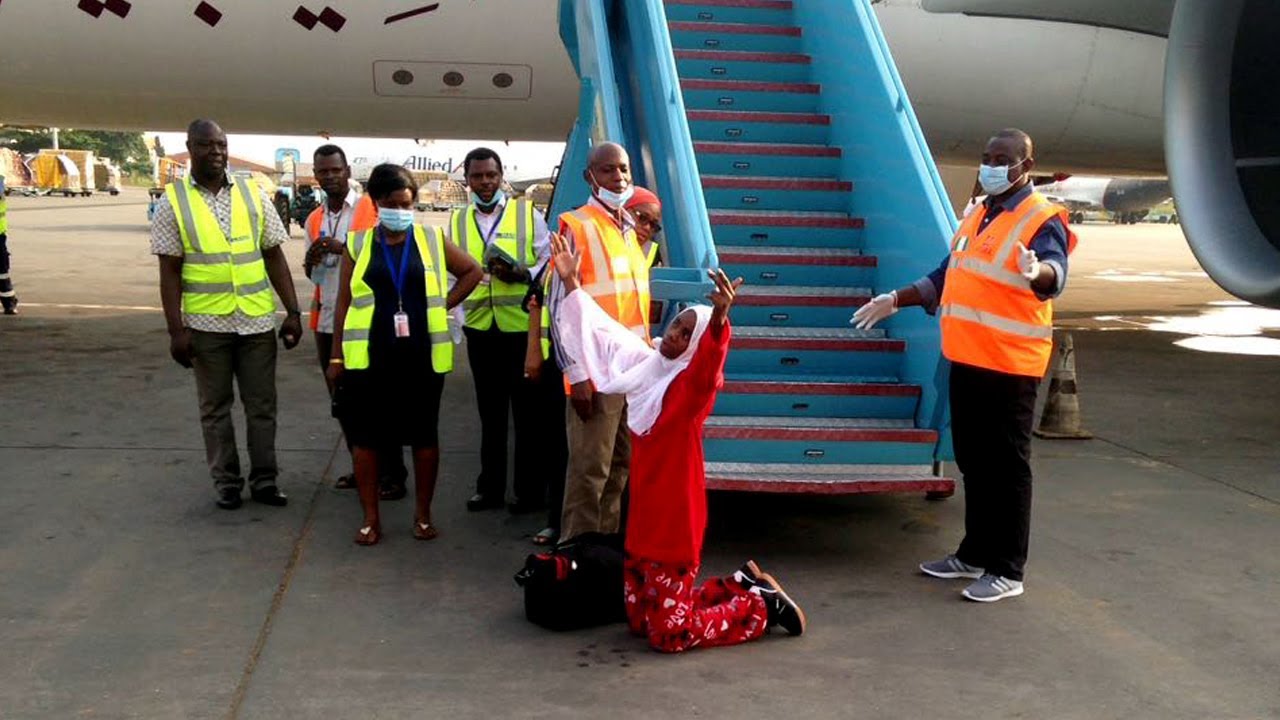
Understanding Travel Bans in Nigeria
A travel ban in Nigeria refers to any legal, administrative, or security restriction that prevents an individual from leaving the country through official exit points. These bans are enforced primarily by the Nigerian Immigration Service (NIS) in collaboration with courts and security agencies.
Importantly, travel bans in Nigeria are often:
- Silent (not publicly announced)
- Backend-driven (embedded in immigration databases)
- Triggered without prior notice
This explains why many Nigerians only discover they are restricted at the airport, long after making irreversible financial commitments.
Why Travel Bans in Nigeria Are a Major Hindrance to Working Abroad
Working abroad follows rigid timelines. Employers abroad operate within:
- Fixed resumption dates
- Strict onboarding schedules
- Immigration compliance windows
When a Nigerian worker is unable to travel as scheduled, the consequences are immediate and severe.
Travel bans disrupt:
- Employer confidence
- Visa validity periods
- Contractual obligations
- Sponsorship arrangements
In most cases, foreign employers do not wait. Once a Nigerian employee fails to resume on time, the offer is either withdrawn or reassigned.
The False Assumption: “Visa Approval Means I Can Travel”
One of the most damaging misconceptions among Nigerian job seekers is the belief that a work visa automatically guarantees departure.
In reality:
- Visa approval is permission to enter another country
- Exit clearance is permission to leave Nigeria
These are two entirely separate authorities.
As a result, a Nigerian can be:
- Fully approved to work in Canada, the UK, Germany, or Japan
- Yet legally restricted from exiting Nigeria
This disconnect lies at the heart of why travel bans in Nigeria severely hinder working abroad.
Major Causes of Travel Bans Affecting Nigerians Seeking Work Abroad
1. Pending Court Cases and Legal Proceedings
One of the most common causes of travel bans in Nigeria is ongoing court cases, whether civil or criminal.
Many Nigerians assume that only criminal convictions can stop travel. This is incorrect.
A person may be restricted from leaving Nigeria if:
- A case is still under trial
- Bail conditions include travel restrictions
- A court orders passport surrender
- The court believes there is a risk of absconding
For job seekers abroad, this is catastrophic. Most employers do not accommodate legal delays in another country.
2. Immigration Watchlists and Security Flags
Nigeria operates a centralized immigration watchlist system. Individuals may be placed on this list due to:
- Invitations by law enforcement agencies
- Ongoing investigations
- Intelligence reports
- Identity or data associations
Crucially, being on a watchlist does not require a conviction or even an arrest.
For Nigerians traveling for work, watchlist placement often results in:
- Immediate airport denial
- Missed job resumption dates
- Terminated employment contracts
This makes immigration watchlists one of the most dangerous barriers to working abroad.
3. Financial Crime and Law Enforcement Investigations
Agencies such as the EFCC and the Nigeria Police Force frequently request temporary travel restrictions during investigations involving:
- Financial transactions
- Corporate disputes
- Employment-related financial allegations
Even when an individual is cooperating fully, authorities may impose a travel hold to prevent flight risk.
For foreign employers, however, the nuance does not matter. A delayed arrival often signals unreliability, leading to permanent withdrawal of job offers.
4. Passport-Related Issues
Passport problems remain an underestimated but powerful cause of travel bans.
Nigerians may be blocked due to:
- Damaged biometric pages
- Data inconsistencies
- Fraudulent or irregular issuance
- Previous seizure by authorities
A passport flagged internally may appear valid to the holder but unusable at the point of exit.
For overseas employment, this results in:
- Missed flights
- Visa expiration
- Sponsorship breakdown
5. Name Matches and Identity Errors
With increasing digitization, Nigerian immigration systems rely heavily on automated checks.
Individuals may be restricted if:
- Their name matches someone under investigation
- Biometric data overlaps with flagged profiles
- Multiple name spellings exist across documents
This disproportionately affects Nigerians with common surnames and inconsistent documentation histories.
6. Child Custody and Family Court Orders
For Nigerians relocating abroad with dependents, unresolved family court matters can trigger travel bans.
Courts may restrict travel in cases involving:
- Child custody disputes
- Parental consent issues
- Allegations of child relocation without approval
This frequently affects skilled workers and professionals migrating with their families.
7. Contempt of Court and Enforcement Orders
While debt alone does not prevent travel, contempt of court does.
Failure to:
- Obey court summons
- Comply with judgments
- Respect injunctions
can result in legal orders restricting international travel.
Many Nigerians discover this only after arriving at the airport.
8. National Security Considerations
In rare but serious cases, travel bans may be imposed for reasons related to:
- National security
- Cross-border intelligence
- Terrorism financing concerns
Such restrictions are often confidential, making them difficult to challenge quickly.
The Real Cost of Travel Bans to Nigerian Workers
The impact of travel bans extends far beyond missing a flight.
Affected Nigerians often face:
- Loss of job offers
- Expired work visas
- Employer blacklisting
- Financial losses running into millions of naira
- Psychological distress and reputational damage
For many families, a single blocked flight can undo years of preparation and sacrifice.
Why Travel Bans Hurt Nigerians More Than Other Nationals
Unlike citizens of many countries, Nigerians already face:
- Higher visa scrutiny
- Limited employer sponsorship willingness
- Tighter resumption deadlines
When a Nigerian worker fails to arrive on time, employers often choose alternatives from countries perceived as “lower risk.”
This reality makes travel bans in Nigeria disproportionately damaging to Nigerians seeking work abroad.
How Nigerians Can Reduce the Risk of Travel Ban Before Working Abroad
While not all travel bans are avoidable, many can be prevented through early preparation.
Key steps include:
- Resolving all court matters before job applications
- Ensuring passports are clean and error-free
- Responding formally to law enforcement invitations
- Verifying immigration status ahead of travel
- Avoiding last-minute flight bookings
Proactive legal clarity is often the difference between departure and disappointment.
Travel Ban Nigeria Are Not Just Legal Issues—They Are Career Killers
Travel bans in Nigeria represent one of the most serious structural barriers to working abroad. They operate quietly, strike suddenly, and often undo years of effort in a single moment at the airport.
For Nigerians pursuing overseas employment, understanding travel bans is no longer optional—it is essential.
A job offer abroad is only as strong as your ability to legally leave Nigeria.
In the race for global opportunities, exit readiness matters just as much as visa approval.
How Travel Ban Nigeria Silently Destroys Jobs Abroad and Scholarships
The damage is not just emotional—it is structural.
Consequences include:
- Visa expiration
- Offer withdrawal
- Scholarship forfeiture
- Blacklisting by employers
- Financial loss running into millions of naira
Once marked as “non-arrival,” many institutions do not give second chances.
Practical Checklist: How to Escape Nigeria Exit Restrictions Before You Travel
- Verify court records early
- Resolve agency invitations formally
- Check passport condition
- Confirm immigration status
- Avoid last-minute travel
- Use written clearances only
FAQs: Travel Ban Nigeria
Can Nigerian court cases stop you from leaving the country?
Yes. Courts can legally restrict travel even before conviction.
Why Nigerians are blocked at the airport for work or study visas?
Because visa approval does not cancel Nigeria exit restrictions.
Does immigration watchlist affect scholarships?
Yes. Missed arrival deadlines often mean automatic loss.

Frequently Asked Questions (FAQs) on Travel Bans in Nigeria
1. What is a travel ban in Nigeria?
A travel ban in Nigeria is any legal, administrative, or security restriction that prevents a person from leaving the country through official exit points such as airports, land borders, or seaports.
2. Can a Nigerian be blocked at the airport without prior notice?
Yes. Many travel bans are silent and embedded in immigration systems, meaning individuals often discover the restriction only at the airport.
3. Does having a work visa guarantee I can leave Nigeria?
No. A work visa allows entry into another country but does not override Nigeria’s exit restrictions or immigration controls.
4. Can Nigerian court cases stop someone from leaving the country?
Yes. Pending court cases, bail conditions, or court orders can legally restrict international travel until resolved.
5. Can civil cases cause travel bans in Nigeria?
Yes. While uncommon, civil cases can lead to travel bans if a court issues an order or finds the individual in contempt.
6. What is an immigration watchlist in Nigeria?
An immigration watchlist is a backend system used by authorities to flag individuals for monitoring or restriction due to investigations or security concerns.
7. Can someone be placed on a watchlist without being arrested?
Yes. A person can be watchlisted based on investigations, invitations by agencies, or intelligence reports without any arrest or charge.
8. How does being on a watchlist affect working abroad?
Being on a watchlist can result in immediate airport denial, missed job resumption dates, and eventual withdrawal of job offers.
9. Can EFCC or police investigations stop international travel?
Yes. Law enforcement agencies may request temporary travel restrictions during ongoing investigations to prevent flight risk.
10. Can passport issues lead to being blocked at the airport?
Yes. Damaged passports, data inconsistencies, fraudulent issuance, or seized passports can all trigger travel denial.
11. Can name similarity cause travel bans in Nigeria?
Yes. Individuals with names similar to those on watchlists or investigation records may be stopped due to automated system matches.
12. Do child custody cases affect the ability to work abroad?
Yes. Ongoing custody disputes or court orders restricting child relocation can prevent international travel, especially with dependents.
13. Can debt stop a Nigerian from leaving the country?
Debt alone does not cause a travel ban. However, failure to comply with court orders related to debt can lead to travel restrictions.
14. Can travel bans affect visa validity?
Yes. Missing travel windows due to bans can lead to visa expiration, forcing applicants to restart the process.
15. Why are Nigerians more affected by travel bans than some other nationals?
Nigerians face stricter visa scrutiny and tighter employer timelines, making any travel delay more damaging to job prospects.
16. Can a travel ban cause a job offer to be withdrawn?
Yes. Many employers withdraw offers if a worker fails to resume on time, regardless of the reason.
17. Is it possible to remove a travel ban in Nigeria?
Yes, but only through proper legal channels such as court orders, official clearances, or resolution of investigations.
18. How can someone check if they are under a travel restriction?
By verifying court records, resolving agency invitations, consulting legal counsel, and confirming immigration status before booking flights.
19. Are travel bans permanent in Nigeria?
No. Most travel bans are temporary and lifted once the underlying legal or administrative issue is resolved.
20. What is the best way to avoid travel bans when planning to work abroad?
Early preparation—resolving legal matters, maintaining a clean passport, verifying immigration status, and avoiding last-minute travel—offers the best protection.
Conclusion: Don’t Let Nigeria Exit Restrictions Cancel Your Future
A travel ban Nigeria issue is not about guilt—it is about legal readiness.
Too many Nigerians lose jobs abroad, scholarships, and life-changing opportunities because they discover exit problems too late.
The solution is not fear.
It is knowledge, verification, and preparation.
Before you pack your bags, make sure Nigeria is ready to let you go.
Shortcut👇.








iHNbONVGAfJZbQmFwUqfkvH