
TECHNICAL INTERN TRAINING PROGRAM
Why the Technical Intern Training Program Is Still One of the Most Searched Japan Work Abroad Programs in 2026
If you have been researching opportunities abroad lately, chances are you’ve come across the Technical Intern Training Program—popularly known as TITP Japan. Over the last decade, this program has opened doors for thousands of foreign workers seeking skill development, international exposure, and competitive wages in Japan.
But 2026 is different.
With new opportunities under Japan TITP visa changes 2026–2027, growing labor demand in sectors like construction, caregiving, agriculture, and manufacturing, and increasing global interest in the Japan Work Abroad Program, the Technical Intern Training Program is evolving.
This guide is designed to give you clarity—not hype.
You’ll learn:
- What the Technical Intern Training Program truly offers
- The TITP salary 2026 breakdown
- The Japan Technical Intern Training Program eligibility requirements 2026
- How to apply for Japan TITP Work Abroad Program in 2026
- The future of the program amid 2026–2027 reforms
Let’s explore the 7 powerful and proven ways you can unlock this opportunity.

1. Technical Intern Training Program: Understanding the Foundation of TITP Japan
The Technical Intern Training Program was established by the Japanese government to transfer skills, technology, and knowledge to developing countries through structured on-the-job training.
The program is supervised under Japan’s official regulatory body, the Organization for Technical Intern Training, which ensures compliance, protection of interns, and proper implementation of labor standards.
Unlike typical labor migration, TITP Japan is officially categorized as a training-based system—though in reality, it functions as a structured employment pathway with regulated wages and working conditions.
Key Sectors Under TITP Japan:
- Construction
- Agriculture
- Food Processing
- Manufacturing
- Caregiving (Kaigo)
- Textile & Garment
- Fisheries
Why Is It Still Popular in 2026?
- Japan’s aging population continues to create labor shortages
- Increased transparency and regulation since reforms
- Transition pathways toward Specified Skilled Worker (SSW) status
- Competitive wages compared to many developing economies
For many, the Technical Intern Training Program remains a stepping stone to long-term international career opportunities.
2. Technical Intern Training Program: Breaking Down TITP Salary 2026 and Benefits for Foreign Workers
Let’s address the biggest question: What is the TITP salary 2026?
Salary depends on:
- Region (Tokyo vs rural areas)
- Industry
- Experience level
- Overtime hours
Average TITP Salary 2026 Estimate
| Category | Monthly Range (JPY) | Approx. USD Equivalent | Notes |
|---|---|---|---|
| Base Salary | ¥160,000 – ¥190,000 | $1,050 – $1,250 | Before deductions |
| Overtime | ¥20,000 – ¥50,000 | $130 – $330 | Depends on sector |
| Net After Deductions | ¥130,000 – ¥160,000 | $850 – $1,050 | After housing, tax |
(Figures vary by region and employer.)
TITP Salary and Benefits for Foreign Workers in Japan 2026
Beyond base salary, benefits include:
- Health insurance
- Pension contributions
- Workers’ accident compensation insurance
- Paid leave after 6 months
- Overtime compensation (25% premium minimum)
Japan’s labor laws apply to TITP participants, ensuring regulated working hours and wage protection.
Compared to many work abroad options, the Japan Work Abroad Program under TITP remains financially attractive—especially for workers aiming to save or send remittances home.
3. Technical Intern Training Program: Japan Technical Intern Training Program Eligibility Requirements 2026
Before applying, understanding the Japan Technical Intern Training Program eligibility requirements 2026 is crucial.
Basic Eligibility Criteria:
- Age typically between 18–35
- Completed secondary education (minimum)
- Relevant vocational training (for technical sectors)
- Physically and medically fit
- No criminal record
- Basic Japanese language proficiency (often JLPT N5/N4 level recommended)
Additional Requirements May Include:
- Skills assessment tests
- Interview with Japanese employer
- Government-approved sending organization endorsement
The eligibility requirements have become more structured in 2026 to improve program quality and protect participants.
4. Technical Intern Training Program: How to Apply for Japan TITP Work Abroad Program in 2026
If you’re wondering how to apply for Japan TITP Work Abroad Program in 2026, here is a clear, step-by-step breakdown.
Step 1: Identify Approved Sending Organizations
Each country has government-recognized agencies that coordinate with Japanese companies. Verify their legitimacy carefully.
Step 2: Choose Your Sector
Your background determines suitable industries:
- Engineering → Manufacturing
- Healthcare → Caregiving
- Agriculture background → Farming sector
Step 3: Language Preparation
Basic Japanese proficiency dramatically increases selection chances.
Step 4: Employer Matching & Interview
You will be matched with a Japanese host company for interviews.
Step 5: Visa Processing
The visa application is submitted under Japan’s immigration authority.
For official guidelines, refer to Japan’s Ministry of Foreign Affairs:
Ministry of Foreign Affairs of Japan – Visa & Immigration Information
Official government source for visa categories, eligibility, and processing requirements.
https://www.mofa.go.jp
And for oversight information:
Organization for Technical Intern Training (OTIT)
The official supervisory body for the Technical Intern Training Program in Japan, including compliance guidelines and program updates.
https://www.otit.go.jp
5. Technical Intern Training Program: Exploring New Opportunities Under Japan TITP Visa Changes 2026–2027
One of the most exciting aspects is the transition reform.
Japan has announced structural changes aiming to replace TITP with a more employment-oriented system by 2027, allowing:
- Greater job mobility
- Improved worker protection
- Transition pathways to long-term residence
These new opportunities under Japan TITP visa changes 2026–2027 make the program more attractive than before.
For workers, this means:
- Potential to shift employers under certain conditions
- Clearer route to Specified Skilled Worker visa
- Better wage alignment with Japanese nationals
6. Technical Intern Training Program: Comparing TITP Japan with Other Japan Work Abroad Programs
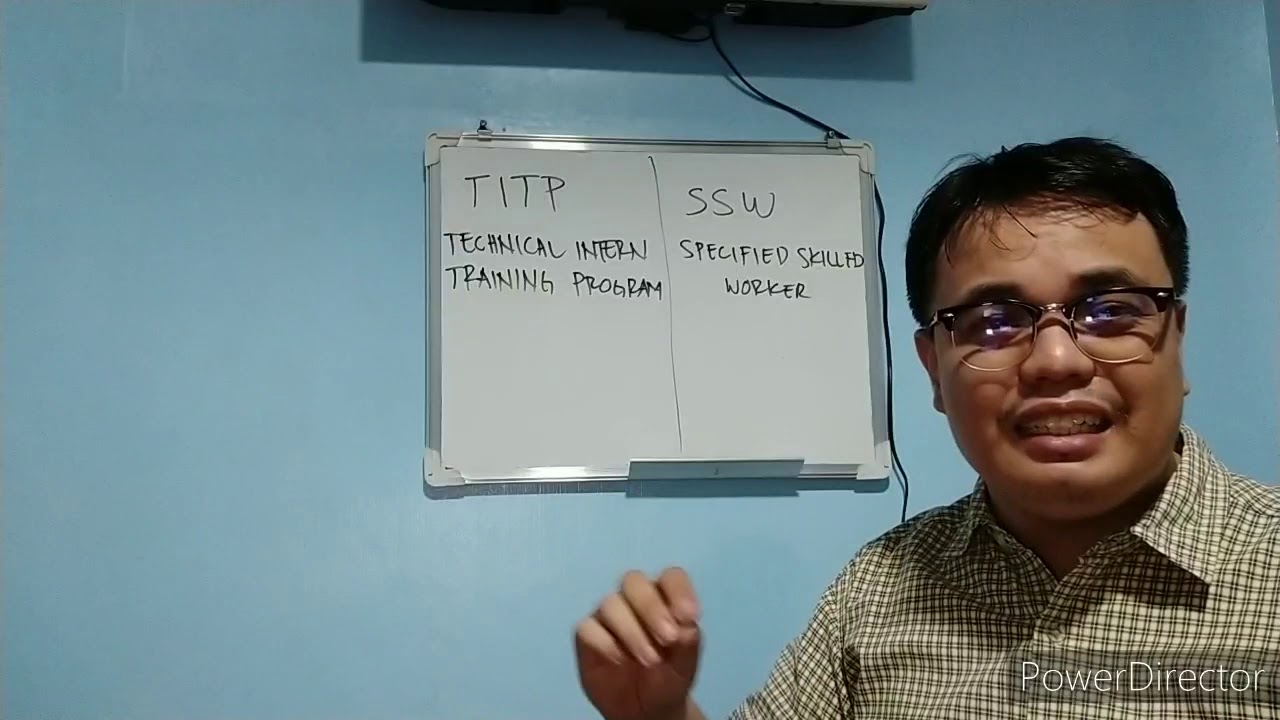
Let’s compare TITP with Specified Skilled Worker (SSW).
| Feature | TITP Japan | Specified Skilled Worker |
|---|---|---|
| Duration | 1–5 years | 5+ years possible |
| Skill Level | Basic–Intermediate | Intermediate–Advanced |
| Job Mobility | Limited | More flexible |
| Path to Residency | Limited | Stronger pathway |
| Language Requirement | Basic | Higher |
TITP remains an entry-level gateway into Japan’s labor system.
7. Technical Intern Training Program: Long-Term Career and Financial Strategy
Smart applicants view the Technical Intern Training Program as:
- A savings accelerator
- A skill-building platform
- A bridge to higher visa categories
Financial discipline matters.
Tips to Maximize TITP Salary 2026:
- Reduce unnecessary remittance charges
- Take overtime strategically
- Avoid recruitment debt
- Improve Japanese language skills for better pay

Technical Intern Training Program: Critical Mistakes to Avoid in TITP Japan (2026–2027 Guide)
When it comes to the Technical Intern Training Program, avoiding mistakes is just as important as understanding eligibility or salary structure.
Many applicants focus only on TITP Salary 2026, but the truth is this: the biggest financial losses and disappointments happen because of avoidable errors.
If you’re serious about succeeding in TITP Japan and maximizing opportunities under the evolving Japan Work Abroad Program, this section may be the most important part of your entire preparation journey.
Let’s fix what many applicants get wrong.
1. Technical Intern Training Program: Ignoring Official Government Sources
One of the most damaging mistakes applicants make is relying solely on recruiters or social media information without verifying official sources.
The Technical Intern Training Program is regulated under Japan’s legal and immigration framework. Policies, salary standards, and visa conditions are subject to updates.
Before making any decision, always confirm details through:
- The official Ministry of Foreign Affairs of Japan
- The Organization for Technical Intern Training (OTIT), which supervises TITP Japan
Why this matters:
- Visa requirements may change
- Employer compliance standards evolve
- Transition pathways under the new opportunities under Japan TITP visa changes 2026–2027 are developing
Relying on unofficial information can cost you time, money, and opportunity.
2. Technical Intern Training Program: Misunderstanding Japan Technical Intern Training Program Eligibility Requirements 2026
Many applicants assume eligibility is simple.
It is not.
The Japan Technical Intern Training Program eligibility requirements 2026 include:
- Age limits (commonly 18–35)
- Educational background verification
- Medical fitness
- Clean criminal record
- Basic Japanese language ability
Mistakes happen when applicants:
- Submit incomplete documents
- Provide inconsistent information
- Ignore medical checks
- Fail language assessments
Even minor documentation errors can delay or deny your application.
Be meticulous.
3. Technical Intern Training Program: Overpaying Recruitment Agencies
Financial misjudgment is one of the most painful mistakes in the Japan Work Abroad Program.
Some candidates take loans at high interest rates just to secure placement.
The problem?
If your recruitment costs are too high, your TITP salary and benefits for foreign workers in Japan 2026 may go entirely toward debt repayment for the first year.
How to avoid this:
- Request an official fee breakdown
- Avoid cash-only transactions
- Confirm agency licensing
- Compare multiple providers
Remember: TITP Japan should improve your financial position — not trap you in debt.
4. Technical Intern Training Program: Overestimating TITP Salary 2026 Without Considering Deductions
Yes, the TITP Salary 2026 is attractive compared to many local wages abroad.
But here’s the reality:
Gross salary ≠ Take-home pay.
Deductions may include:
- Income tax
- Pension contributions
- Health insurance
- Accommodation
- Utilities
Without proper budgeting, expectations collapse quickly.
Smart applicants calculate net salary before making decisions.
5. Technical Intern Training Program: Neglecting Japanese Language Preparation
Language skills dramatically impact your success in TITP Japan.
Even though some companies accept basic proficiency, language determines:
- Workplace safety
- Social integration
- Promotion potential
- Employer trust
Ignoring language preparation reduces your ability to benefit from new opportunities under Japan TITP visa changes 2026–2027, especially if you hope to transition into long-term visa categories.
Start early. Stay consistent.
6. Technical Intern Training Program: Signing Contracts Without Understanding Them
Another major error is signing documents without full clarity.
Your contract outlines:
- Working hours
- Overtime pay structure
- Leave entitlements
- Accommodation responsibilities
- Dispute resolution procedures
Before signing:
- Request translation if necessary
- Ask detailed questions
- Clarify overtime policies
Informed consent protects your future.
7. Technical Intern Training Program: Failing to Plan Beyond the Contract Period
Many participants treat the program as temporary income only.
Strategic participants treat it as a launchpad.
With reforms shaping the Japan Work Abroad Program, those who prepare early may benefit from smoother transitions into skilled worker categories.
Long-term thinkers:
- Improve language proficiency
- Build strong employer relationships
- Maintain clean work records
- Track visa reform updates
Short-term thinking limits opportunity.
Reflection: Mistakes Are Expensive — Preparation Is Powerful
The Technical Intern Training Program remains one of the most structured pathways for foreign workers entering Japan’s labor market.
But success requires:
- Careful verification
- Financial discipline
- Language preparation
- Strategic planning
If you avoid these mistakes, your experience under TITP Japan can be financially rewarding, professionally valuable, and strategically transformative.

Managing Finances in Japan: Avoiding Debt and Maximizing Earnings
While participating in an internship or training program in Japan can be an exciting opportunity, many participants find themselves unprepared for the financial realities. Without careful planning, high expectations for income can quickly give way to debt, stress, or limited savings. Understanding common financial pitfalls and learning how to manage them is essential for a successful experience.
1. Overpaying Recruitment Agencies
A frequent mistake is trusting agencies without verifying costs or legitimacy. Some organizations promise guaranteed placements but charge excessive fees, which can offset any income earned during the program.
Tips to Avoid Overpaying:
- Verify official approval: Check the organization’s credentials with government sources, such as the Ministry of Foreign Affairs of Japan and the Organization for Technical Intern Training (OTIT).
- Request detailed cost breakdowns: Understand exactly what each fee covers, from visa processing to accommodation.
- Compare multiple options: Explore different providers to ensure you’re not overpaying unnecessarily.
Being cautious upfront can save significant money and reduce financial stress during your stay.
2. Underestimating Living Expenses
Many participants focus only on their projected earnings, ignoring the actual cost of living in Japan. Urban areas like Tokyo or Osaka are expensive, and even smaller cities have essential costs that need to be accounted for.
What to Consider:
- Rent and utilities: Even modest accommodations may consume a large portion of your income.
- Food and transportation: Daily expenses can add up quickly if not budgeted.
- Taxes and insurance contributions: Some deductions are mandatory and reduce take-home pay.
Pro Tip: Research the region where you’ll be working and create a realistic monthly budget. Tracking expenses early helps prevent unpleasant surprises.
3. Miscalculating Net Income
Gross salary figures often appear attractive, but the reality is that deductions for taxes, pension contributions, and insurance reduce take-home pay. Additionally, some benefits like housing or transportation support can impact actual savings.
How to Maximize Earnings:
- Calculate expected net income after deductions before departure.
- Utilize benefits fully, such as employer-provided accommodation or health insurance.
- Understand overtime policies to take advantage of additional earning opportunities without overextending yourself.
4. Failing to Plan for Emergencies
Unexpected expenses—medical costs, travel emergencies, or equipment replacement—can quickly erode your budget if you haven’t set aside funds.
Practical Strategies:
- Set aside a small emergency fund before departure.
- Keep track of all expenditures to identify unnecessary spending.
- Avoid taking high-interest loans to cover short-term gaps.
Proper planning ensures that your earnings support your goals, rather than creating additional financial pressure.
5. Quick Reference Table: Common Financial Mistakes vs Smart Solutions
| Common Mistake | Potential Consequence | Recommended Approach |
|---|---|---|
| Paying high recruitment fees | Debt, financial stress | Verify agency credentials, compare providers |
| Ignoring cost of living | Low savings, unexpected expenses | Budget regionally, track monthly spending |
| Miscalculating net income | Reduced take-home pay | Calculate deductions and benefits accurately |
| Neglecting emergency planning | Financial vulnerability | Set aside emergency funds, track spending |
| Overlooking benefits | Missed opportunities | Utilize housing, transportation, and overtime |
This table provides an at-a-glance guide for interns planning their finances, helping ensure a smoother and more profitable experience.
Financial Awareness Creates Freedom
The key to a rewarding experience in Japan is not just earning a salary but managing it wisely. By understanding realistic costs, avoiding excessive fees, calculating net income, and preparing for emergencies, interns can maximize their earnings and reduce stress.
Careful financial planning turns an internship into an opportunity for savings, skill-building, and long-term career growth. Those who approach the program with discipline and awareness gain far more than just monetary benefits—they set themselves up for a successful professional journey.
Avoiding Career and Compliance Pitfalls in Japan’s Work Abroad Programs (2026–2027 Guide)
While managing finances is crucial, understanding rules and planning your career is equally important for anyone joining a work-abroad program in Japan. Even motivated interns can face setbacks if they overlook eligibility requirements, visa conditions, or long-term career planning.
This section highlights common mistakes and practical strategies to help you succeed.
1. Overlooking Eligibility Requirements
Many candidates assume that applying is straightforward, but Japan’s internship programs have strict criteria:
- Age limits (typically 18–35)
- Educational qualifications and relevant experience
- Physical and mental fitness
- Basic language proficiency
- Clean legal record
Failing to meet these standards can delay or even prevent placement. Always verify your eligibility using official resources, such as the Ministry of Foreign Affairs of Japan and the Organization for Technical Intern Training (OTIT).
2. Ignoring Visa and Work Rules
Interns sometimes unintentionally violate visa conditions by:
- Working extra hours not permitted by their visa
- Performing tasks outside their assigned roles
- Staying beyond the authorized period
Consequences include deportation, visa bans, or termination.
Tips to stay compliant:
- Keep track of work hours and visa expiration dates
- Consult your sending organization regularly
- Document your activities for reference
3. Signing Contracts Without Understanding Them
Contracts outline your rights and obligations. Missing key details can lead to disputes or financial issues.
Points to check carefully:
- Overtime and work schedules
- Accommodation arrangements
- Leave policies and benefits
- Penalties for early termination
If needed, request a translated version and clarify unclear terms before signing.
4. Failing to Plan for the Future
Treating the program as a short-term job can limit career growth. Many interns overlook opportunities to transition into skilled roles or permanent employment.
How to plan strategically:
- Track the skills and certifications you earn
- Improve language ability for better integration
- Build professional relationships with supervisors and colleagues
- Stay informed about new program reforms and opportunities
5. Overlooking Workplace Culture
Cultural missteps, even minor ones, can affect performance and relationships.
Tips to fit in:
- Arrive on time and follow workplace hierarchy
- Observe and adopt professional norms
- Communicate clearly and respectfully
Understanding the workplace culture enhances both compliance and career development.
6. Missing Out on Program Updates
Japan is continually updating internship programs to improve worker protection and mobility. Not staying informed can result in missed opportunities for advancement or long-term employment.
Actionable steps:
- Regularly check official announcements from OTIT
- Align your skill-building efforts with program reforms
- Keep records of your work performance and achievements
Quick Reference Table: Mistakes vs Smart Approaches
| Common Mistake | Potential Consequence | Smart Approach |
|---|---|---|
| Ignoring eligibility | Visa denial, placement delays | Verify with official sources |
| Breaking visa rules | Deportation, blacklisting | Track hours, follow regulations |
| Signing unclear contracts | Disputes, unexpected costs | Review carefully, request translations |
| Lack of long-term planning | Limited career growth | Plan skills, build connections, follow reforms |
| Neglecting workplace culture | Conflicts, poor reviews | Learn norms, respect hierarchy |
| Missing updates | Lost advancement opportunities | Stay informed, track performance |
Success in a Japanese internship program requires more than hard work. Avoiding mistakes related to eligibility, visas, contracts, and workplace culture can protect your experience and maximize opportunities for career growth.
With careful planning, cultural awareness, and proactive learning, interns can make the most of their time abroad, laying the foundation for long-term professional success.
Impliance and Planning Are Key to TITP Success
While financial awareness ensures you save effectively, compliance and strategic planning safeguard your professional future.
Avoiding mistakes in:
- Eligibility verification
- Visa adherence
- Contract understanding
- Career foresight
…ensures your Technical Intern Training Program experience is not only legally sound but also career-transforming.
Conclusion: Turning Awareness into Success
Navigating a work-abroad program in Japan is more than just following instructions—it’s about being proactive, informed, and strategic. While financial planning ensures you make the most of your earnings, understanding the rules, workplace culture, and long-term opportunities is equally essential.
Many interns face setbacks not because of a lack of effort, but because they overlook seemingly small details: missing an eligibility requirement, misreading a contract, violating a work restriction, or ignoring cultural norms. Each of these can create unnecessary stress, financial loss, or missed opportunities.
The most successful participants approach their experience as a learning journey rather than just a temporary job. They:
- Plan their career beyond the internship, thinking ahead to possible skill upgrades or future employment pathways.
- Take the time to understand the rules and procedures, ensuring compliance with regulations.
- Immerse themselves in the local work environment, respecting professional norms and building strong relationships.
- Stay informed about program changes, policy updates, and emerging opportunities that could benefit their professional growth.
By combining careful planning, cultural awareness, and disciplined execution, interns can transform their placement into a meaningful stepping stone. This approach not only protects them legally and financially but also helps them develop skills, confidence, and connections that will serve long after the program ends.
In short, success abroad is about foresight and adaptability. Those who actively manage their finances, understand the rules, and plan for the future will leave Japan not just with earnings, but with a foundation for a rewarding, long-term career.
Shortcut👇.