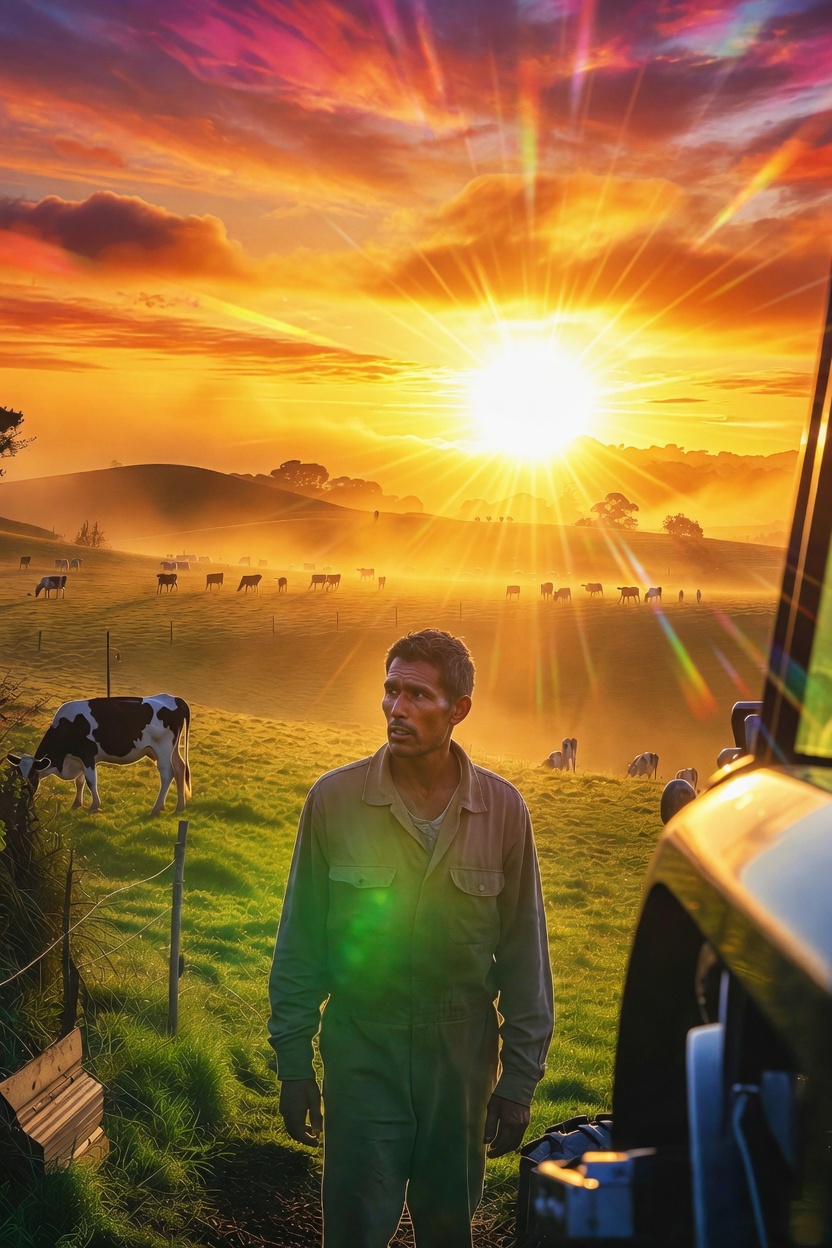
Dairy farm jobs New Zealand
Why Dairy Farm Jobs in New Zealand Are Trending in 2026
If you’ve been searching for Dairy farm jobs New Zealand, you’re not alone—and for good reason.
New Zealand’s dairy industry is one of the strongest in the world, contributing massively to the country’s economy. But here’s the catch: there aren’t enough local workers to meet demand. That’s why Visa sponsorship jobs New Zealand are booming in 2026.
For foreigners, this creates a rare opportunity:
- Work legally abroad
- Earn competitive salaries
- Gain international experience
- Possibly transition to permanent residency
This guide walks you through everything—from salary and requirements to proven strategies that actually get you hired.

Understanding Dairy Farm Jobs New Zealand and Visa Sponsorship Jobs New Zealand
Before diving into secrets, let’s clarify what these jobs involve.
What Are Dairy Farm Jobs in New Zealand?
These roles include:
- Milking cows (manual or automated systems)
- Feeding livestock
- Maintaining farm equipment
- Cleaning and hygiene management
- Monitoring animal health
Even beginners can apply—many farms offer training.
Why Visa Sponsorship Jobs New Zealand Are Increasing
The government actively supports foreign hiring due to labor shortages.
Learn more from the official immigration site:
https://www.immigration.govt.nz
Dairy Farm Jobs in New Zealand with Visa Sponsorship 2026: Salary Breakdown
Let’s talk money—because this is a major factor.
New Zealand Dairy Farm Worker Salary and Visa Requirements 2026
| Job Role | Experience Level | Average Salary (NZD/year) | Visa Sponsorship Availability |
|---|---|---|---|
| Farm Assistant | Entry-Level | $50,000 – $60,000 | High |
| Herd Manager | Mid-Level | $60,000 – $80,000 | High |
| Farm Manager | Experienced | $80,000 – $120,000 | Medium |
| Dairy Technician | Skilled | $70,000 – $100,000 | High |
Key Takeaways
- Entry-level roles are accessible to foreigners
- Salaries increase quickly with experience
- Many jobs include free accommodation and meals
Explore job listings here:
https://www.seek.co.nz
10 Proven Secrets to Land Dairy Farm Jobs in New Zealand with Visa Sponsorship 2026
1. Target High-Demand Dairy Farm Jobs New Zealand Regions
Not all regions are equal.
Focus on:
- Waikato
- Canterbury
- Southland
These areas have a higher chance of visa-sponsored jobs in New Zealand.
2. Apply for Entry-Level Farm Jobs Abroad 2026 First
Don’t overcomplicate things.
Start with:
- Farm assistant roles
- General labor positions
These positions are easier for New Zealand jobs for foreigners.
3. Optimize Your CV for Dairy Farm Jobs New Zealand
Your CV should:
- Highlight physical fitness
- Show willingness to learn
- Include any farming or manual work experience
4. Understand Visa Sponsorship Jobs New Zealand Requirements
Most jobs require:
- Valid passport
- Basic English skills
- Health and character checks
5. Use Trusted Job Platforms for New Zealand Jobs for Foreigners
Top platforms:
- SEEK
- Trade Me Jobs
- Indeed
These sites frequently list high paying dairy farm jobs in New Zealand for foreigners with sponsorship.
6. Apply Directly to Farms
Many farms prefer direct applications.
Search:
- Farm websites
- Local directories
7. Get Basic Farming Skills Before Applying
Even simple skills help:
- Animal handling
- Equipment usage
- Cleaning routines
8. Be Open to Rural Living
Most dairy farm jobs in New Zealand with visa sponsorship 2026 are in rural areas.
Benefits:
- Lower living costs
- Quiet environment
- Free housing (often included)
9. Network with Other Foreign Workers
Join:
- Facebook groups
- Online forums
You’ll discover hidden opportunities for farm jobs abroad 2026.
10. Apply Consistently and Strategically
Success comes from:
- Sending multiple applications
- Following up with employers
- Being flexible with roles
How to Apply for Farm Jobs in New Zealand as a Foreigner (Step-by-Step Guide)
Step 1: Search for Dairy Farm Jobs New Zealand Listings
Use job boards daily.
Step 2: Prepare Documents
You’ll need:
- CV
- Passport
- References
Step 3: Apply Online or Directly
Tailor each application.
Step 4: Attend Interviews (Online)
Be ready to discuss:
- Work ethic
- Physical ability
Step 5: Secure Job Offer and Visa Sponsorship
Once hired, your employer helps with the visa process.
High Paying Dairy Farm Jobs in New Zealand for Foreigners with Sponsorship
Some roles pay more due to skill requirements:
- Herd Managers
- Machinery Operators
- Dairy Specialists
These roles often include:
- Bonuses
- Housing
- Transport
Challenges of Farm Jobs Abroad 2026 (And How to Overcome Them)
Let’s be realistic.
Common Challenges
- Early working hours
- Physical labor
- Remote locations
Solutions
- Build stamina
- Stay mentally prepared
- Choose supportive employers
Why New Zealand Jobs for Foreigners Are Worth It
Despite challenges, benefits include:
- Stable income
- Career growth
- Pathway to residency
- Work-life balance
Your Path to Dairy Farm Jobs in New Zealand with Visa Sponsorship 2026
Landing Dairy farm jobs New Zealand isn’t about luck—it’s about strategy, persistence, and preparation.
If you follow these proven steps:
- Target the right jobs
- Apply consistently
- Build relevant skills
You significantly increase your chances of securing visa sponsorship jobs New Zealand.
Dairy Farm Jobs New Zealand: Entry-Level Opportunities for Foreigners in 2026
If you’re exploring Dairy farm jobs New Zealand, starting at the entry level is often the smartest and fastest way in—especially if you’re a foreigner with little or no prior farming experience. The good news is that the dairy sector in New Zealand is structured in a way that welcomes beginners, trains them on the job, and, in many cases, offers visa sponsorship jobs New Zealand to fill urgent labor gaps.
This section breaks down everything you need to know about entry-level roles, what employers are really looking for, and how you can position yourself to land one of these opportunities in 2026.
Why Entry-Level Dairy Farm Jobs New Zealand Are Perfect for Foreigners
The demand for workers in agriculture continues to grow, making New Zealand jobs for foreigners more accessible than many people think. Dairy farms operate year-round, and the nature of the work means there is always a need for reliable hands—whether experienced or not.
For foreigners, this creates a unique advantage:
- You don’t always need prior farming experience
- Employers are open to training motivated candidates
- Many farms offer accommodation, reducing living costs
- There are clear career progression paths
In fact, many people who now hold high-paying roles in the industry started with basic farm jobs abroad 2026 and worked their way up.
Types of Entry-Level Dairy Farm Jobs in New Zealand with Visa Sponsorship 2026
When you begin your search for dairy farm jobs in New Zealand with visa sponsorship 2026, you’ll come across several beginner-friendly roles. Each comes with its own responsibilities, but they all share one thing in common: they are designed to be accessible.
1. Farm Assistant
This is the most common entry point.
Responsibilities include:
- Assisting with milking cows
- Cleaning equipment and sheds
- Feeding livestock
- General farm maintenance
This role is ideal if you’re just starting and looking to understand how dairy farming works in New Zealand.
2. Dairy Farm Worker
A slightly broader role that overlaps with farm assistant duties but may include additional tasks.
What you’ll do:
- Monitor animal health
- Help with calving season
- Operate simple machinery
Many employers offering this role are actively hiring foreigners through visa sponsorship jobs New Zealand.
3. Milking Assistant
If you prefer routine-based work, this role focuses specifically on milking operations.
Typical duties:
- Operating milking machines
- Maintaining hygiene standards
- Ensuring proper milk storage
What Makes You Eligible for Entry-Level Farm Jobs Abroad 2026
You don’t need a degree or specialized certification to get started, but there are a few basic requirements that increase your chances of success.
Key Requirements
- Basic understanding of English
- Physical fitness (the job can be demanding)
- Willingness to work early mornings and long hours
- Positive attitude and reliability
Employers hiring for New Zealand jobs for foreigners value attitude just as much as skill. If you show you’re hardworking and eager to learn, you already have a strong advantage.
How Employers View Foreign Applicants
One concern many people have is whether employers truly consider international candidates. The reality is that many farms rely on foreign workers to keep operations running.
When reviewing applications for Dairy farm jobs New Zealand, employers often look for:
- Commitment to staying long-term
- Ability to adapt to rural life
- Strong work ethic
This is why tailoring your application to highlight these qualities is essential when applying for how to apply for farm jobs in New Zealand as a foreigner.
Salary Expectations for Entry-Level Roles
While entry-level positions may not start at the highest pay scale, they are still competitive—especially when you factor in benefits.
Typical Entry-Level Earnings
- $50,000 – $60,000 NZD annually
- Free or subsidized accommodation
- Utility coverage in some cases
These benefits make New Zealand dairy farm worker salary and visa requirements 2026 very attractive compared to similar roles in other countries.
Daily Life in Entry-Level Dairy Farm Jobs New Zealand
Understanding the day-to-day reality helps you prepare mentally and physically.
What a Typical Day Looks Like
- Early start (often around 4–5 AM)
- Morning milking session
- Feeding and cleaning
- Break period
- Afternoon milking session
The work is hands-on, but many workers find it rewarding, especially when they see their progress over time.
Growth Opportunities: From Entry-Level to High Paying Roles
Starting small doesn’t mean staying small.
Many workers who begin with dairy farm jobs in New Zealand with visa sponsorship 2026 move up within a few years.
Career Progression Path
- Farm Assistant → Herd Manager → Farm Manager
With experience, you can transition into high paying dairy farm jobs in New Zealand for foreigners with sponsorship, earning significantly more and taking on leadership roles.
Tips to Secure Entry-Level Visa Sponsorship Jobs New Zealand
To stand out in a competitive market, you need more than just interest—you need strategy.
Practical Tips
- Apply to multiple farms consistently
- Highlight physical work experience (even unrelated jobs)
- Show willingness to relocate immediately
- Be flexible with job roles and locations
Persistence plays a huge role in landing farm jobs abroad 2026, especially if you’re applying from outside the country.
Common Mistakes to Avoid
Even qualified candidates miss out due to simple errors.
Avoid These Pitfalls
- Sending generic applications
- Ignoring rural job locations
- Overlooking entry-level roles
- Failing to follow up with employers
Fixing these mistakes can significantly improve your chances of getting hired.
Starting your journey with Dairy farm jobs New Zealand at the entry level is not just realistic—it’s one of the most effective ways to break into the international job market.
With increasing demand for visa sponsorship jobs New Zealand, 2026 presents a strong opportunity for foreigners willing to take the first step. Whether your goal is to gain experience, earn a stable income, or build a long-term career abroad, entry-level roles offer a clear and achievable starting point.
The key is simple: start where you are, stay consistent, and grow from there.
Visa Sponsorship Jobs New Zealand: Requirements, Documents, and Eligibility Explained
If you’re serious about landing Dairy farm jobs New Zealand, understanding how visa sponsorship jobs New Zealand actually work is the difference between endless applications and real success. Many people focus only on job listings, but the truth is—your eligibility and documentation are what determine whether an employer can hire you in the first place.
This section breaks everything down in a clear, practical way so you can confidently navigate the process of securing dairy farm jobs in New Zealand with visa sponsorship 2026.
What Are Visa Sponsorship Jobs New Zealand?
In simple terms, visa sponsorship means an employer in New Zealand is willing to:
- Offer you a job
- Support your work visa application
- Prove they couldn’t easily find a local worker
This system is designed to fill labor shortages, which is why farm jobs abroad 2026—especially in agriculture—are among the easiest pathways for foreigners.
For dairy farming, most employers use the Accredited Employer Work Visa (AEWV) pathway. This allows approved employers to hire foreign workers legally.
Why Dairy Farm Jobs New Zealand Are Easier to Get Sponsorship
Not all industries offer the same opportunities, but agriculture stands out.
Here’s why:
- Ongoing labor shortages in rural areas
- Physically demanding work deters many locals
- Year-round demand for workers
Because of this, New Zealand jobs for foreigners in dairy farming are often more accessible compared to office-based roles.
Basic Eligibility for Dairy Farm Jobs in New Zealand with Visa Sponsorship 2026
Before applying, you need to meet a few core requirements. These are not overly complicated, but they are non-negotiable.
General Eligibility Criteria
- A valid international passport
- Basic English communication skills
- Good health condition
- Clean criminal record
These are standard for most visa sponsorship jobs New Zealand, not just farming roles.
Job-Specific Requirements for Farm Jobs Abroad 2026
While entry-level roles are flexible, employers still expect certain qualities.
What Employers Look For
- Physical strength and stamina
- Willingness to work long hours
- Ability to follow instructions
- Reliability and consistency
Even if you don’t have direct farming experience, demonstrating these traits can make a big difference when applying for how to apply for farm jobs in New Zealand as a foreigner.
Essential Documents You’ll Need
Getting your documents right is one of the most important steps in securing New Zealand jobs for foreigners.
Core Documents Checklist
- Updated CV tailored to dairy farm jobs
- International passport (valid for at least 6 months)
- Job offer letter from a New Zealand employer
- Proof of work experience (if available)
- Police clearance certificate
- Medical examination report
Having these ready in advance speeds up the hiring process, especially for employers offering high paying dairy farm jobs in New Zealand for foreigners with sponsorship.
Understanding the Accredited Employer Work Visa (AEWV)
Most dairy farm jobs in New Zealand with visa sponsorship 2026 fall under the AEWV system.
How It Works
- Employer gets accredited
- Employer offers you a job
- You apply for the visa
- Immigration reviews your application
This process ensures that both the employer and employee meet legal requirements.
Salary Threshold and Visa Approval
Your salary plays a role in visa approval.
For many roles:
- You must meet the minimum wage requirement set by the government
- Higher salaries often improve your chances
This ties directly into New Zealand dairy farm worker salary and visa requirements 2026, where meeting wage standards is essential for eligibility.
English Language Requirements
You don’t need to be fluent, but you must be able to:
- Understand instructions
- Communicate with team members
- Follow safety guidelines
Some employers may request proof, but many rely on interviews to assess your level.
Health and Character Checks
To qualify for visa sponsorship jobs New Zealand, you’ll need to pass:
Health Requirements
- General medical examination
- Chest X-ray (in some cases)
Character Requirements
- Police clearance certificate
- No serious criminal history
These checks ensure you’re fit to work and live in New Zealand.
Common Mistakes That Lead to Visa Rejection
Many applicants miss out due to avoidable errors.
Watch Out For
- Submitting incomplete documents
- Providing incorrect information
- Applying for jobs that don’t offer sponsorship
- Ignoring visa eligibility criteria
Avoiding these mistakes increases your chances of securing farm jobs abroad 2026 significantly.
How Employers Support Your Visa Process
Once you secure a job, your employer plays a major role.
They will:
- Provide a job offer
- Confirm job details to immigration
- Guide you through the process
This support is what makes dairy farm jobs in New Zealand with visa sponsorship 2026 so attractive for foreigners.
Tips to Strengthen Your Eligibility
If you want to stand out when applying for Dairy farm jobs New Zealand, consider improving your profile.
Smart Ways to Boost Your Chances
- Gain basic farming knowledge online
- Highlight any physical or outdoor work experience
- Keep your documents ready and organized
- Apply early and consistently
Small improvements can make a big difference when competing for New Zealand jobs for foreigners.
Understanding the requirements behind visa sponsorship jobs New Zealand removes uncertainty and puts you in control of your application journey.
The process may seem detailed at first, but once you break it down, it becomes manageable. With the continued demand for workers in agriculture, especially in dairy farming, the opportunity to secure high paying dairy farm jobs in New Zealand for foreigners with sponsorship is very real in 2026.
If you approach the process prepared, organized, and informed, you’re no longer just applying—you’re positioning
New Zealand Dairy Farm Worker Salary and Visa Requirements 2026: What You Should Expect
Before applying for farm work in New Zealand, it’s important to understand what the job actually pays and what is required to qualify. Many people get attracted by the opportunity to work abroad, but having realistic expectations about earnings, conditions, and requirements will help you make better decisions.
This section explains the pay structure, benefits, and basic eligibility so you know exactly what to expect before you apply.
How Much Do Dairy Farm Workers Earn in New Zealand?
Pay in the dairy sector depends on experience, responsibility, and location. Entry-level roles usually start at a modest but stable income, with opportunities to grow over time.
Typical Salary Ranges
- Entry-level roles: NZD $50,000 – $60,000 per year
- Intermediate workers: NZD $55,000 – $75,000 per year
- Skilled or supervisory roles: NZD $70,000 – $100,000+ per year
As you gain experience, your income can increase significantly, especially if you take on more responsibility.
Additional Benefits Beyond Salary
One of the reasons many foreign workers choose farm roles is because of the extra support provided by employers.
Common benefits include:
- Free or subsidized accommodation
- Utilities such as electricity and water included in some cases
- On-site or nearby housing in rural areas
- Occasionally transport assistance
These benefits reduce living expenses, allowing workers to save more from their income.
What Influences Your Earnings?
Not all jobs pay the same, and several factors affect your income level.
Key Factors
- Your level of experience
- Size and type of farm
- Work responsibilities
- Location within the country
Workers who show reliability and skill often move up quickly and earn more over time.
Basic Requirements for Farm Work in New Zealand
To be considered for employment, applicants must meet certain basic conditions.
General Requirements
- Valid international passport
- Good physical health
- Ability to communicate in basic English
- Clean criminal record
These requirements are standard for most overseas employment opportunities in agriculture.
Work Conditions You Should Know
Farm work is physically demanding and often follows a strict routine.
You should expect:
- Early morning starts
- Long working hours during peak seasons
- Outdoor work in different weather conditions
- Hands-on tasks such as feeding and milking livestock
While the work can be tough, many workers find it rewarding and stable.
Visa and Employment Conditions
Once hired, your employer usually assists with the work visa process. This includes providing a job offer and supporting documentation for immigration approval.
To qualify, your job must:
- Meet minimum wage standards
- Be offered by an approved employer
- Follow local labor regulations
These rules ensure fair treatment and safe working conditions for international workers.
Understanding salary expectations and requirements helps you approach opportunities with clarity and confidence. Farm work in New Zealand offers steady income, valuable experience, and a chance to build a career abroad—but success depends on preparation and realistic expectations.
With the right mindset and readiness, you can take advantage of these opportunities and gradually grow into more advanced roles over time.
ong earning potenti
- Manageable living costs
- Career growth opportunities
When you combine this with the increasing availability of visa sponsorship jobs New Zealand, it becomes one of the most practical and rewarding paths for anyone looking to work abroad in 2026.
The key is simple—know your worth, meet the requirements, and position yourself for growth from day one.
ourself to succeed.
How to Apply for Farm Jobs in New Zealand as a Foreigner: A Simple Step-by-Step Guide
Applying for farm work in New Zealand can feel overwhelming at first, especially if you’re doing it from another country. But once you understand the process, it becomes much more straightforward than most people expect. Many applicants miss out not because they lack qualifications, but because they don’t follow a clear strategy.
This section breaks down the entire process into simple, practical steps so you can confidently move from searching for opportunities to securing a real job offer.
Step 1: Focus on Entry Opportunities First
When starting out, it’s important to aim for roles that don’t require advanced experience. Many employers are open to training newcomers, especially in rural farming areas where labor demand is high.
Look for:
- Farm assistant roles
- General dairy work
- Basic livestock care positions
These entry points are often the easiest way to get started and build trust with employers.
Step 2: Search on Trusted Job Platforms
Finding real opportunities is a key part of the process. Instead of random listings, focus on established job platforms and farm recruitment sites.
Useful sources include:
- Major job boards like SEEK and Indeed
- Local farm employment agencies
- Direct farm websites in rural regions
Checking regularly improves your chances of finding new openings early.
Step 3: Prepare a Clear and Simple CV
Your CV is your first impression, so it needs to be clean, honest, and easy to read.
Make sure it includes:
- Basic personal details
- Any work experience (even outside farming)
- Physical or hands-on job history
- Soft skills like teamwork and reliability
You don’t need to overcomplicate it—clarity works better than complexity.
Step 4: Write a Short, Honest Cover Letter
A cover letter gives employers a quick understanding of who you are and why you’re interested in the role.
Keep it simple:
- Explain your interest in farm work
- Mention your willingness to relocate
- Highlight your readiness to learn
Authenticity matters more than perfect wording.
Step 5: Apply Consistently and Stay Organized
One of the biggest mistakes applicants make is applying once or twice and waiting. Consistency is key.
A better approach:
- Apply to multiple jobs weekly
- Track your applications
- Follow up politely when needed
Persistence often makes the difference between rejection and success.
Step 6: Prepare for Virtual Interviews
If shortlisted, you may be invited for an online interview. This is your chance to show your attitude and commitment.
Be ready to discuss:
- Your willingness to do physical work
- Your ability to adapt to rural life
- Your long-term interest in the job
Employers value reliability and honesty more than perfect answers
Step 7: Receive Offer and Begin Visa Process
Once you get a job offer, the employer typically supports your work visa application. This step includes document submission and approval checks.
You’ll usually need:
- A valid passport
- A job contract
- Basic health and background checks
At this stage, the employer guides most of the process.
Step 8: Prepare for Relocation
After approval, focus on preparing for the move. This includes travel planning, packing essentials, and understanding your new work environment.
Many farms in rural areas may also provide accommodation, which helps reduce initial living costs.
Getting farm work abroad is not about rushing—it’s about following a clear, steady process. When you stay consistent, prepare your documents properly, and apply strategically, your chances improve significantly.
Opportunities exist for those who are patient and proactive, and with the right approach, you can move closer to building a stable career in New Zealand’s agricultural sector.
Conclusion (Key Takeaway)
The demand for New Zealand jobs for foreigners in agriculture is only growing. With the right approach, 2026 could be your breakthrough year.
So don’t wait—start applying today, stay consistent, and take advantage of one of the most accessible work abroad opportunities available right now.
Shortcut👇.